Sfogliatelle: the story on the plate
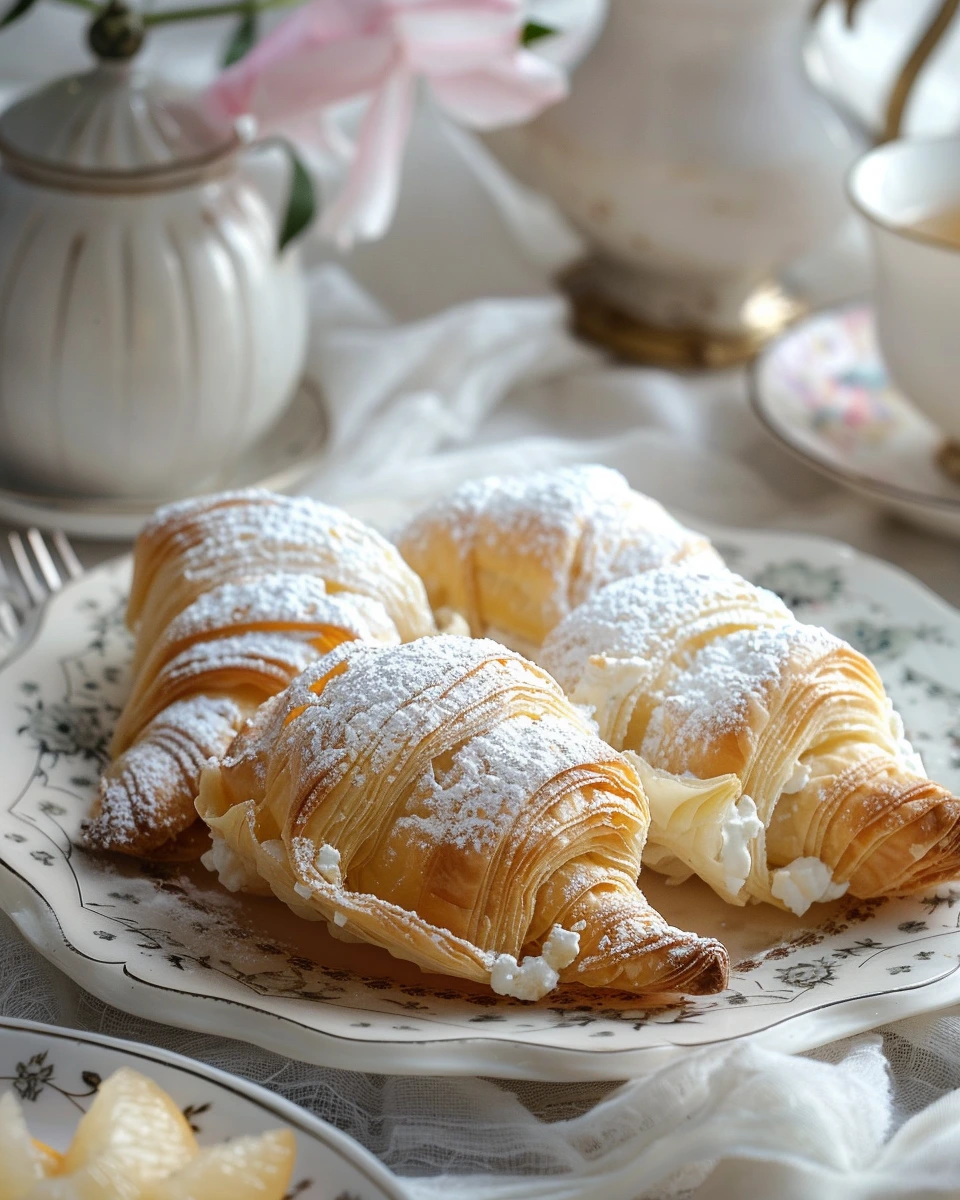
Sfogliatelle is rooted in Naples and Campania. Sfogliatelle are layered pastries strongly associated with Naples, with forms including the shell-like sfogliatella riccia and the smoother frolla. The riccia style is renowned for its many thin, crisp layers wrapped around a semolina and ricotta filling scented with citrus. They are famous for dramatic texture: brittle pastry flakes outward while the filling remains soft, fragrant and gently grainy from semolina. The construction requires patience, making the pastry a showcase of Neapolitan baking skill. Sfogliatelle are a classic sight in Neapolitan pasticcerie and are commonly eaten with coffee. Their distinctive shape and orange-scented filling make them one of the pastries most closely identified with the city.
Historical background
Sfogliatelle are layered pastries strongly associated with Naples, with forms including the shell-like sfogliatella riccia and the smoother frolla. The riccia style is renowned for its many thin, crisp layers wrapped around a semolina and ricotta filling scented with citrus.
Why it is famous
They are famous for dramatic texture: brittle pastry flakes outward while the filling remains soft, fragrant and gently grainy from semolina. The construction requires patience, making the pastry a showcase of Neapolitan baking skill.
Cultural significance
Sfogliatelle are a classic sight in Neapolitan pasticcerie and are commonly eaten with coffee. Their distinctive shape and orange-scented filling make them one of the pastries most closely identified with the city.