Ropa Vieja: the story on the plate
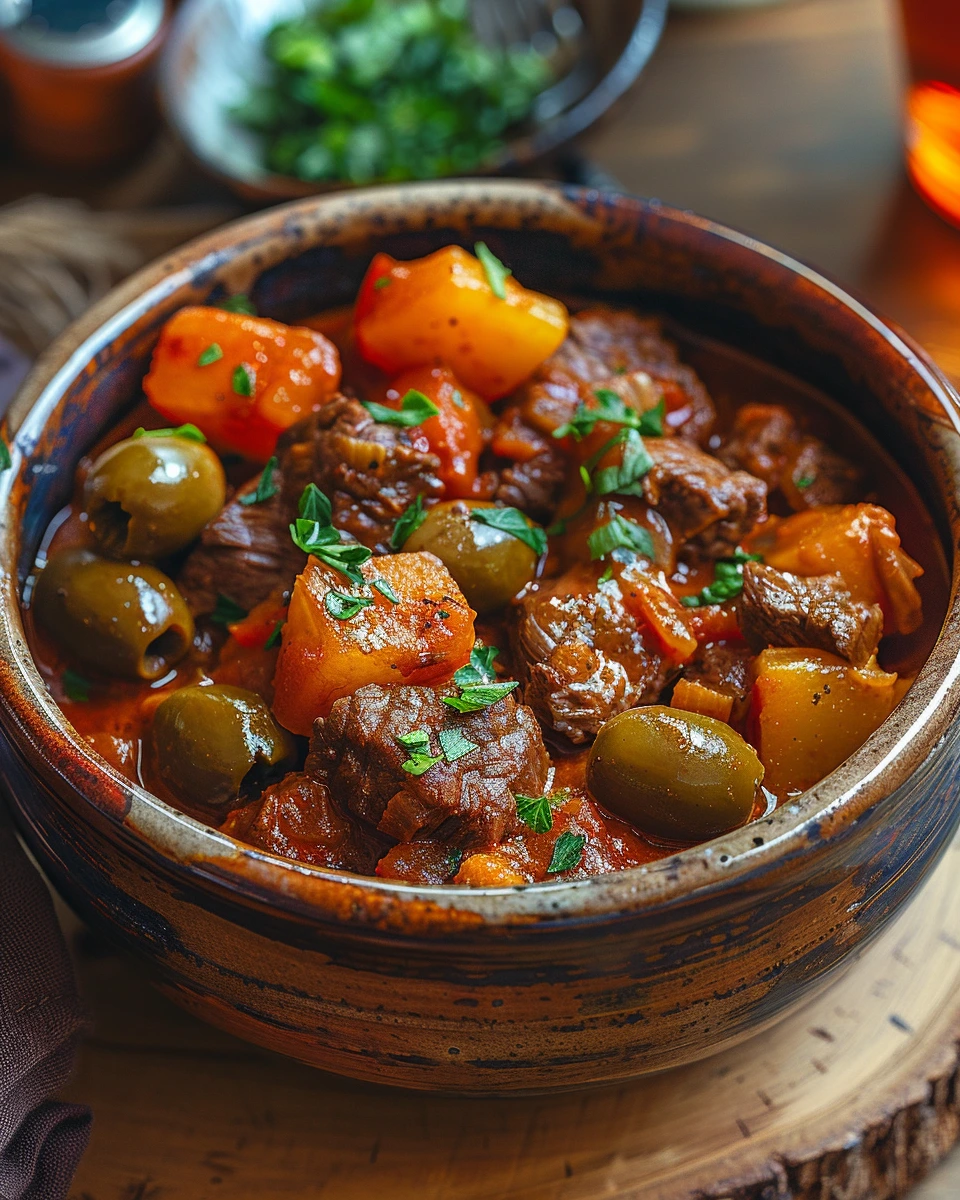
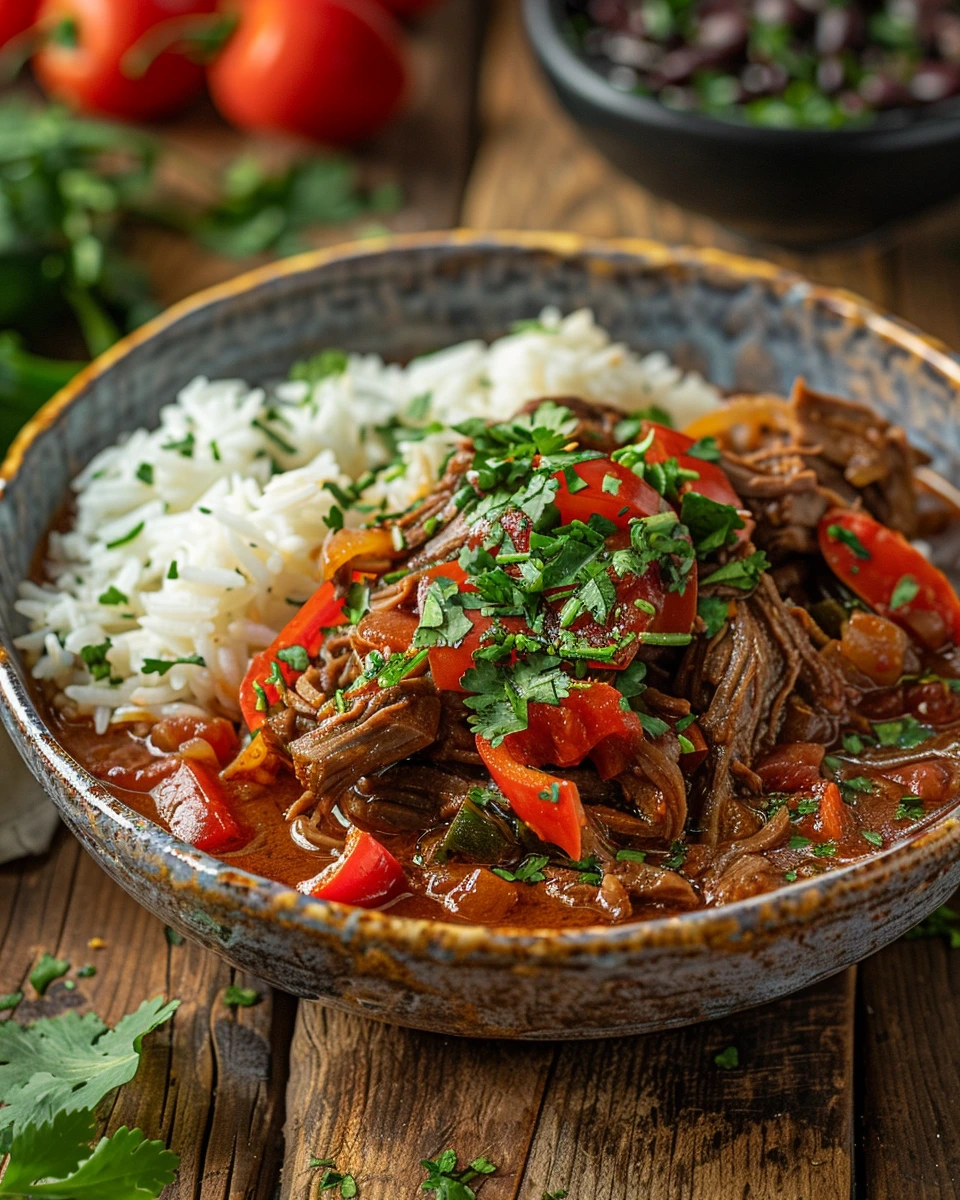
The dish has roots in the Canary Islands and Spain, where shredded meat stews travelled with migrants to the Caribbean. In Cuba it evolved around local peppers, tomatoes and the practical use of long-cooked beef, becoming one of the island's best-known mains. Its name means 'old clothes', a reference to the tangled strands of meat. The best versions are juicy rather than soupy, with beef fibres coated in a concentrated sauce and balanced by the sweetness of peppers and onions. Ropa vieja is served with white rice, black beans and plantains and is strongly associated with Cuban home cooking. It also became a flagship dish of Cuban restaurants abroad because it communicates the cuisine's comfort and depth immediately.
Historical background
The dish has roots in the Canary Islands and Spain, where shredded meat stews travelled with migrants to the Caribbean. In Cuba it evolved around local peppers, tomatoes and the practical use of long-cooked beef, becoming one of the island's best-known mains.
Why it is famous
Its name means 'old clothes', a reference to the tangled strands of meat. The best versions are juicy rather than soupy, with beef fibres coated in a concentrated sauce and balanced by the sweetness of peppers and onions.
Cultural significance
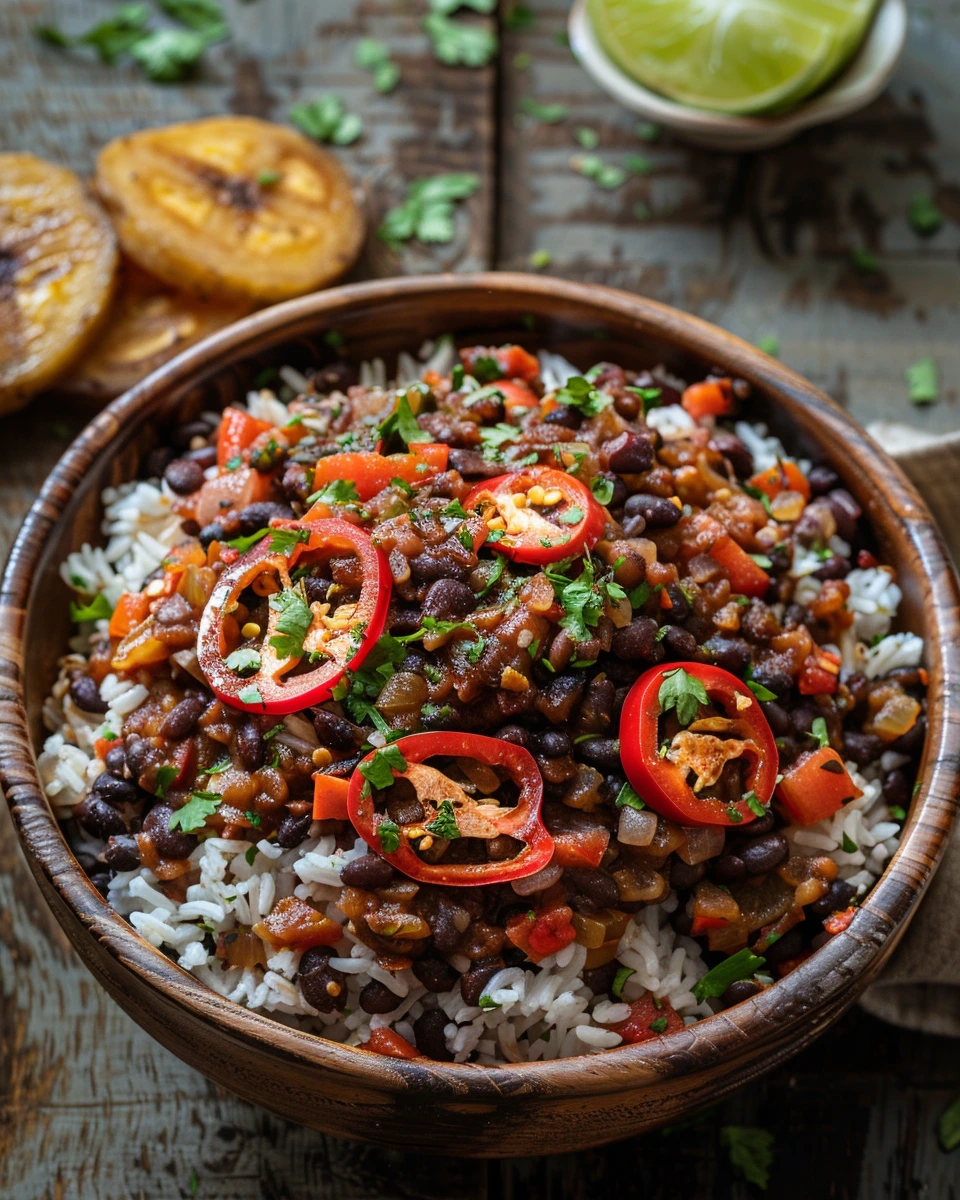
Ropa vieja is served with white rice, black beans and plantains and is strongly associated with Cuban home cooking. It also became a flagship dish of Cuban restaurants abroad because it communicates the cuisine's comfort and depth immediately.