
Portuguese Dessert
Sericaia
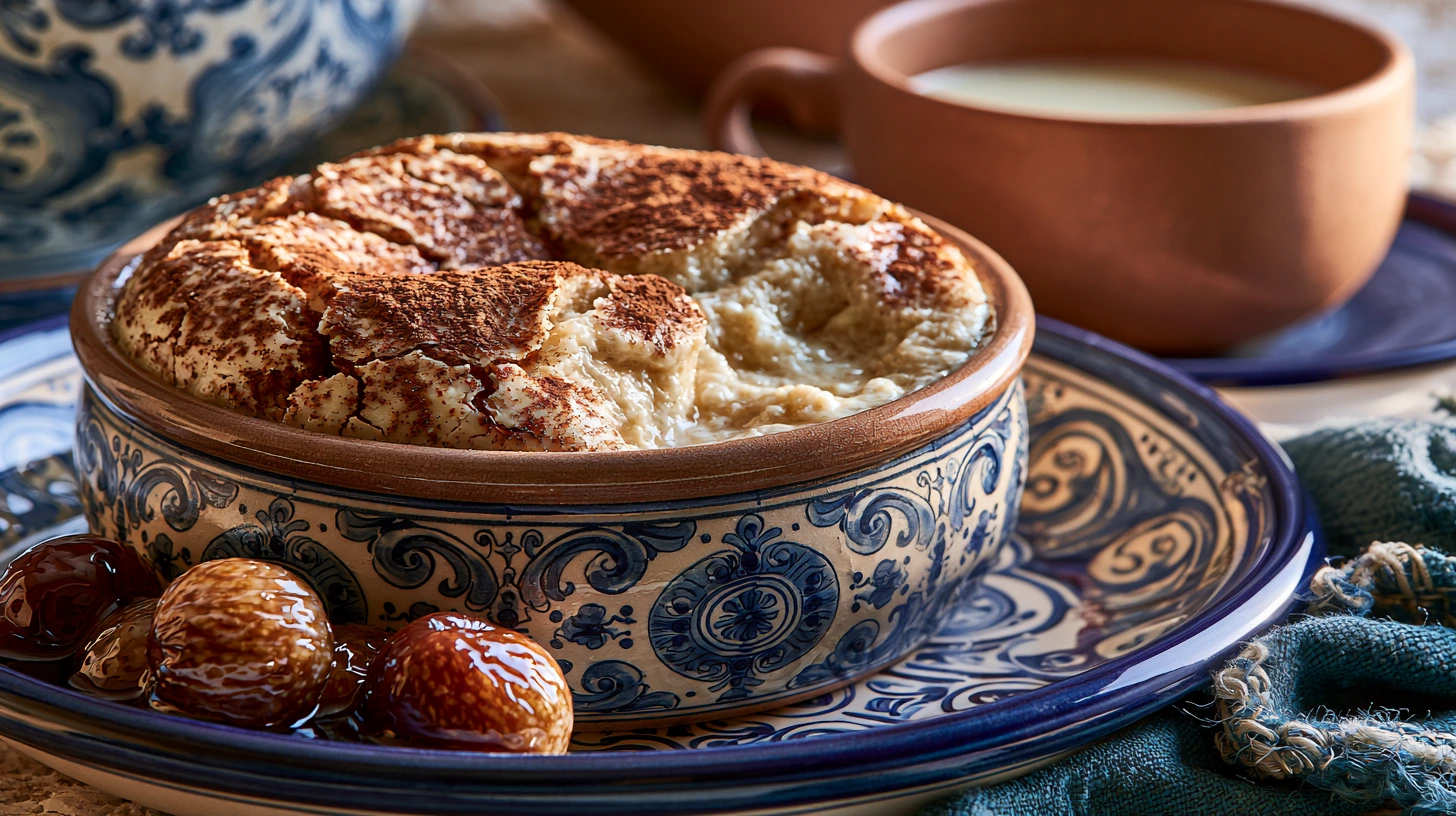
Alentejo egg and milk pudding baked with cinnamon until dramatically cracked.
25 minsPrep time
35 minsCook time
Serves 8Servings
MediumDifficulty
Nutrition
Estimated nutrition per serving
These figures are estimates per serving. Actual nutrition can vary with the brands and exact amounts you use, how much oil, dressing or sauce is absorbed, any substitutions or added extras, and the portion size served.A practical guide for comparing recipes and planning meals.
410Calories
7gProtein
52gCarbs
21gFat
Ingredients
What you need
- 750 whole milk
- 8 eggs, separated
- 250 caster sugar
- 75 plain flour
- 2 lemon peel, strips
- 2 Cinnamon
Method
Step-by-step method
Follow the recipe in order, tasting and adjusting seasoning where needed.
- Heat milk with lemon peel until steaming, then rest 10 minutes and remove peel.
- Whisk yolks with sugar and flour until smooth. Add warm milk gradually, then cook over medium-low heat for 5–7 minutes until thick. Cool slightly.
- Whisk egg whites to soft peaks and fold into the custard in three additions without deflating.
- Spoon tall mounds into a buttered earthenware dish rather than levelling flat. Dust generously with cinnamon.
- Bake at 200°C conventional or 180°C fan for 25–35 minutes until puffed, cracked and just set.
Cook smarter
Tips, storage and serving advice
Shopping tips
Ingredient quality
Common mistakes
Chef’s tips
How to know it is cooked
Plating advice
Make ahead
Storage and reheating
Wine pairing
What to drink with Sericaia
These are wine-style pairings, so you can choose any bottle in that style rather than needing one exact producer. Look for the grape, region or style name on the label.Pairings are chosen around the dish’s flavour, texture, richness, acidity and cooking style, not just the country it comes from.

#1
Excellent match
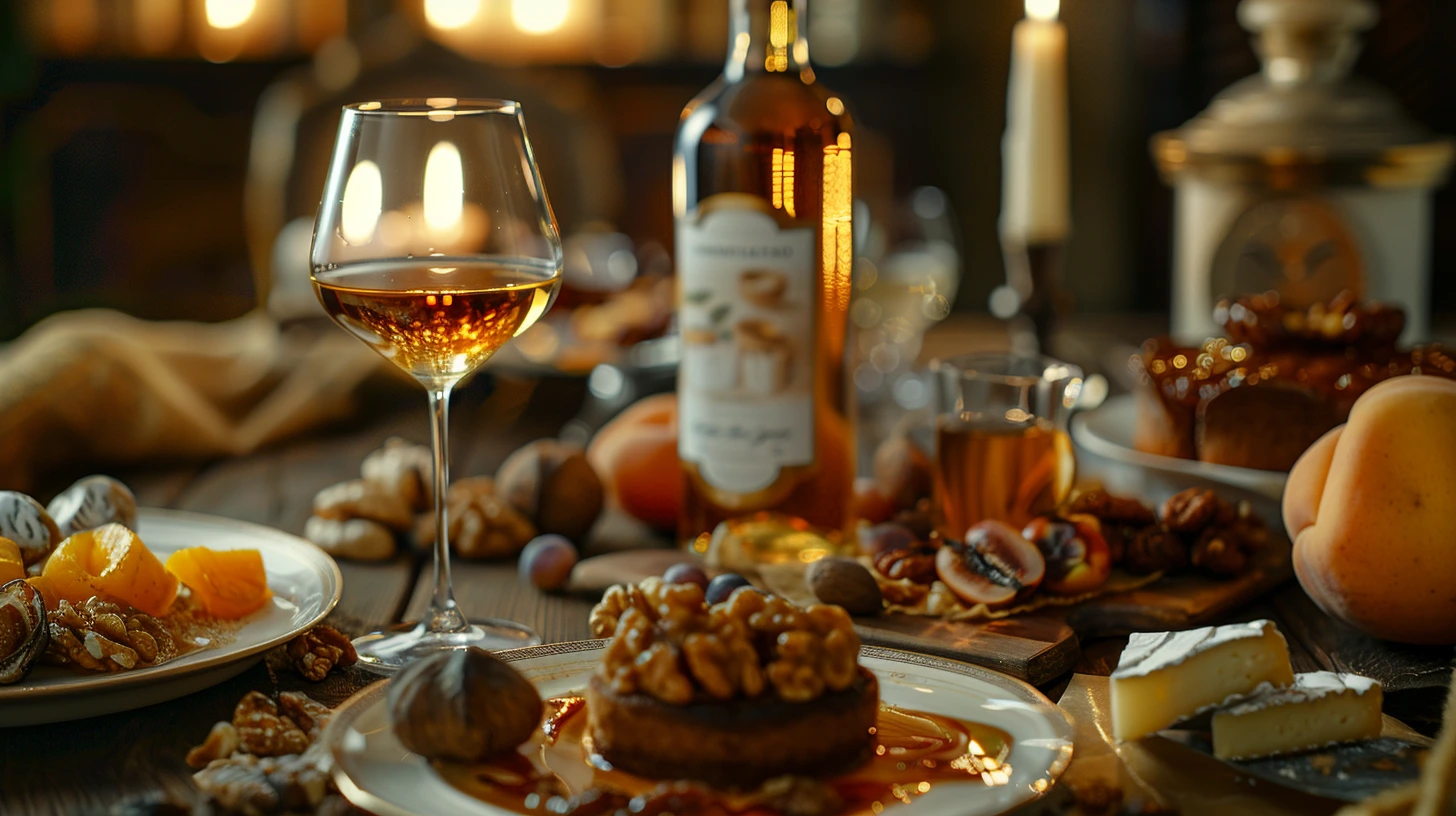
Fortified
Tawny Port
Why it works:
- Flavour bridge: honeyed, floral or dried-fruit notes complement baked and creamy flavours
- Acidity: Acidity provides lift through sweetness and richness
- Body: Body is proportionate to the dessert's weight
- Tannin: Minimal tannin keeps the finish soft
- Sweetness: The wine is at least as sweet as the dish
- Best for: Dinner, entertaining or recipe pairing

#2
Great match
Dessert
Sauternes / Botrytised Sweet Wine
Why it works:
- Flavour bridge: honeyed, floral or dried-fruit notes complement baked and creamy flavours
- Acidity: Acidity provides lift through sweetness and richness
- Body: Body is proportionate to the dessert's weight
- Tannin: Minimal tannin keeps the finish soft
- Sweetness: The wine is at least as sweet as the dish
- Best for: Dinner, entertaining or recipe pairing
#3
Interesting match
Dessert
Tokaji Aszú
Why it works:
- Flavour bridge: honeyed, floral or dried-fruit notes complement baked and creamy flavours
- Acidity: Acidity provides lift through sweetness and richness
- Body: Body is proportionate to the dessert's weight
- Tannin: Minimal tannin keeps the finish soft
- Sweetness: The wine is at least as sweet as the dish
- Best for: Dinner, entertaining or recipe pairing
Cook next
View cuisine More Portuguese recipes
Keep exploring the country’s food story through related starters, mains and desserts.

Pastéis de Nata
Pastéis de Nata is a traditional Portuguese dessert with a memorable texture, a sense of occasion a…
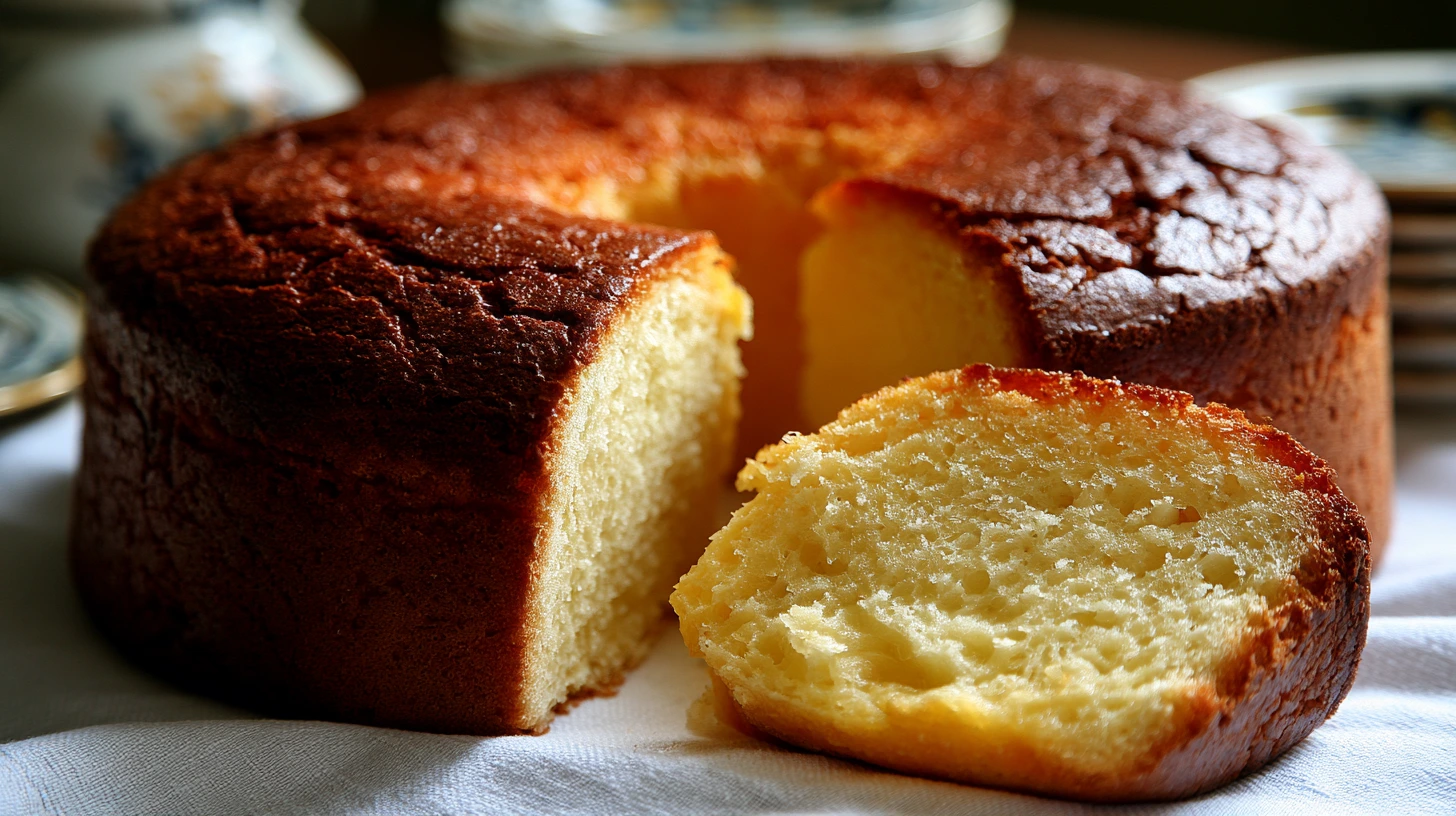
Pão de Ló
Light Portuguese sponge cake with a golden crust and tender egg-rich centre.

Arroz Doce
Arroz Doce is a traditional Portuguese dessert with a memorable texture, a sense of occasion and th…

Toucinho do Céu
Toucinho do Céu is a traditional Portuguese dessert with a memorable texture, a sense of occasion a…