
Portuguese Dessert
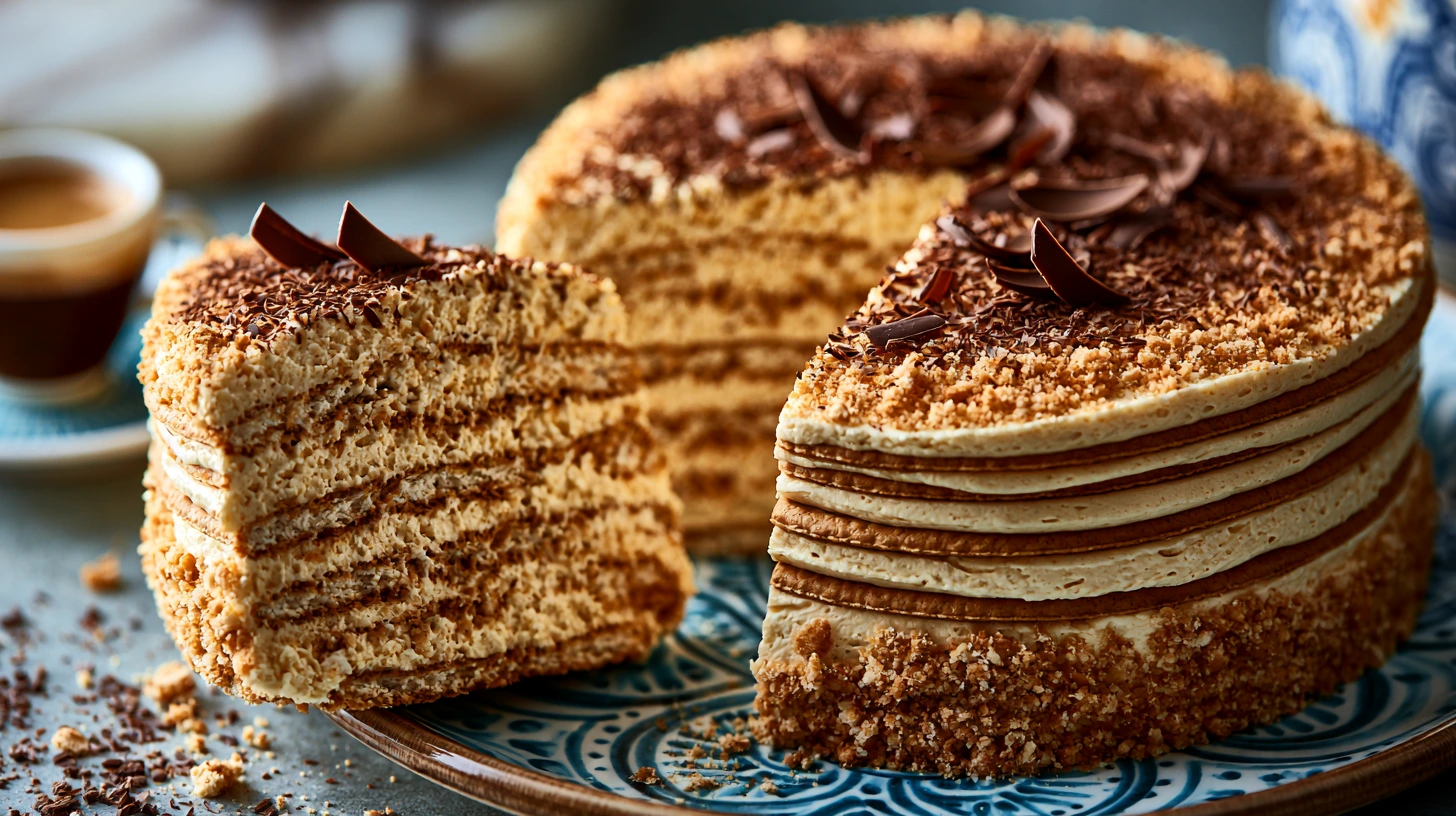
Bolo de Bolacha
No-bake Portuguese coffee biscuit cake layered with buttercream.
35 minsPrep time
Timing variesCook time
Serves 10Servings
EasyDifficulty
Nutrition
Estimated nutrition per serving
These figures are estimates per serving. Actual nutrition can vary with the brands and exact amounts you use, how much oil, dressing or sauce is absorbed, any substitutions or added extras, and the portion size served.A practical guide for comparing recipes and planning meals.
410Calories
7gProtein
52gCarbs
21gFat
Ingredients
What you need
- 400 maria biscuits
- 500 strong coffee, cooled
- 250 butter, softened
- 220 icing sugar
- 2 egg yolks, pasteurised
- 20 Cocoa powder, optional
Method
Step-by-step method
Follow the recipe in order, tasting and adjusting seasoning where needed.
- Beat soft butter and icing sugar for 5 minutes until very pale. Beat in pasteurised yolks one at a time.
- Dip each biscuit in cold coffee for only 1–2 seconds; longer soaking makes the cake collapse.
- Arrange a tight layer of biscuits, spread a thin layer of buttercream, and repeat until ingredients are used.
- Cover top and sides with remaining cream and dust with cocoa or crushed biscuit.
- Chill at least 4 hours, preferably overnight, then slice with a hot knife.
Cook smarter
Tips, storage and serving advice
Shopping tips
Ingredient quality
Common mistakes
Chef’s tips
How to know it is cooked
Plating advice
Make ahead
Storage and reheating
Wine pairing
What to drink with Bolo de Bolacha
These are wine-style pairings, so you can choose any bottle in that style rather than needing one exact producer. Look for the grape, region or style name on the label.Pairings are chosen around the dish’s flavour, texture, richness, acidity and cooking style, not just the country it comes from.
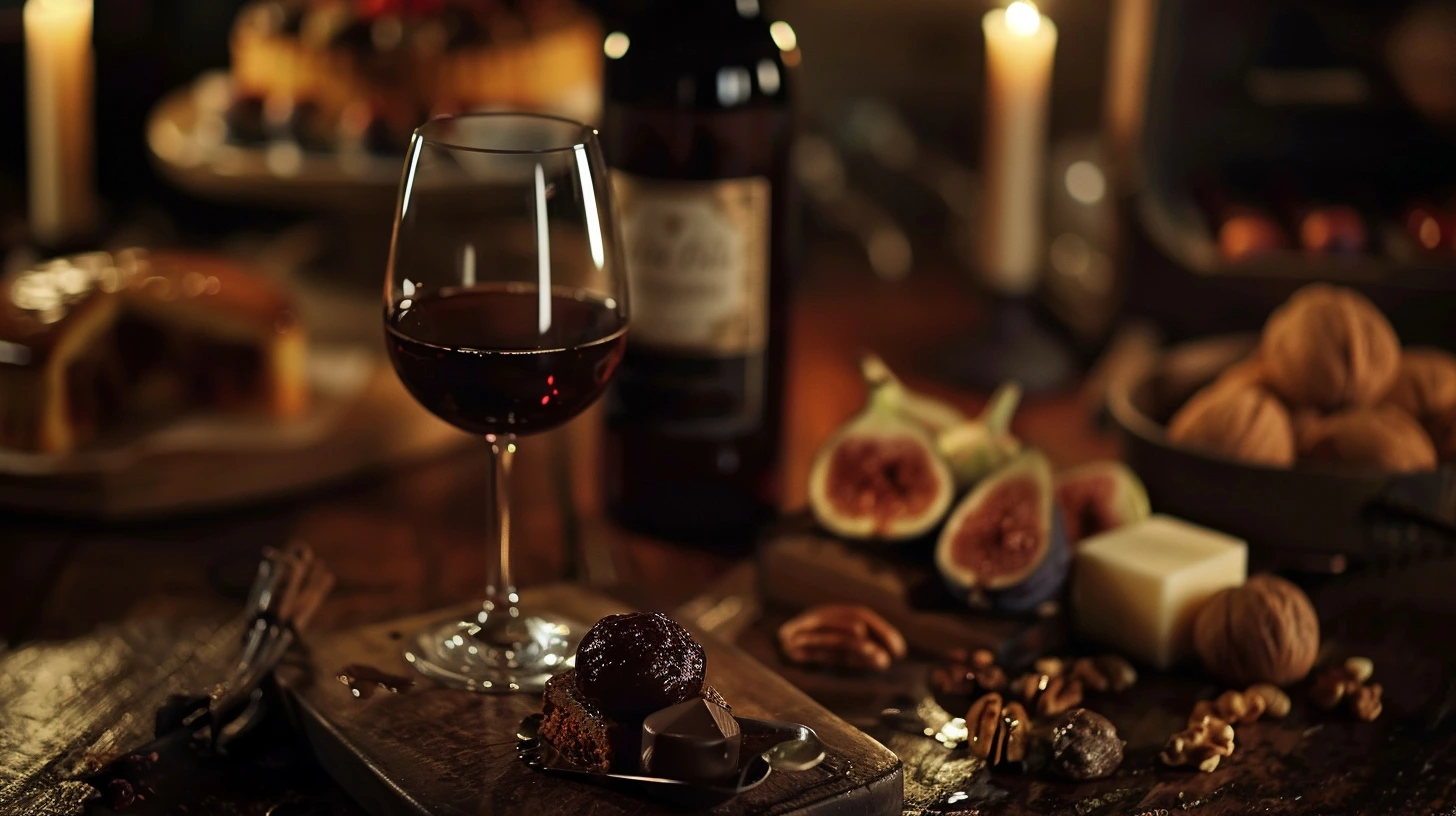
#1
Excellent match
Fortified
Tawny Port
Why it works:
- Flavour bridge: dark fruit, dried-fruit and caramel tones echo the dessert's cocoa richness
- Acidity: Enough freshness to stop the pairing becoming cloying
- Body: Full enough to match the dessert's density
- Tannin: Low or resolved tannin avoids amplifying chocolate bitterness
- Sweetness: Wine sweetness meets or exceeds the sweetness of the dessert
- Best for: Dinner, entertaining or recipe pairing
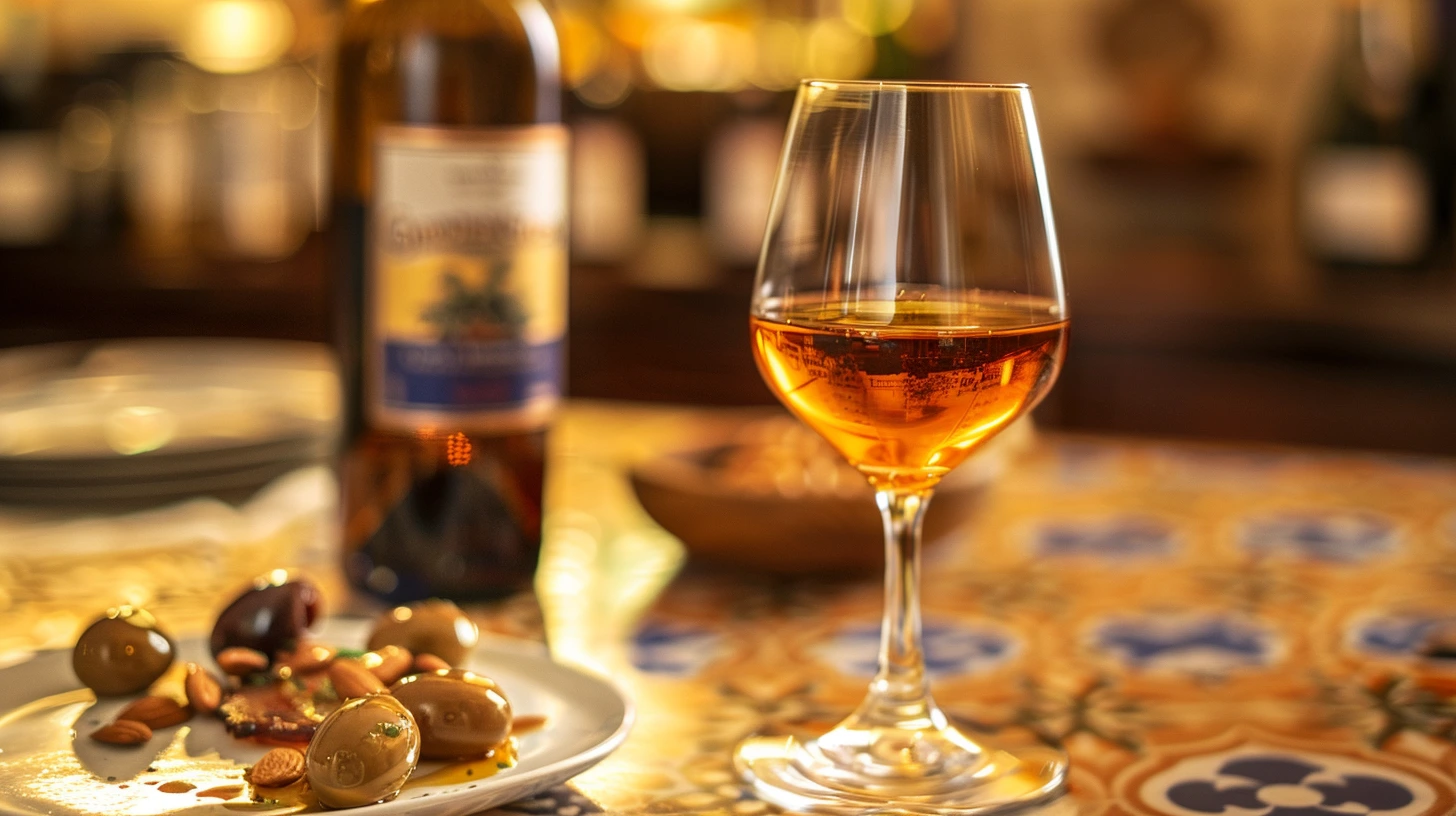
#2
Great match
Fortified
Pedro Ximénez Sherry
Why it works:
- Flavour bridge: dark fruit, dried-fruit and caramel tones echo the dessert's cocoa richness
- Acidity: Enough freshness to stop the pairing becoming cloying
- Body: Full enough to match the dessert's density
- Tannin: Low or resolved tannin avoids amplifying chocolate bitterness
- Sweetness: Wine sweetness meets or exceeds the sweetness of the dessert
- Best for: Dinner, entertaining or recipe pairing
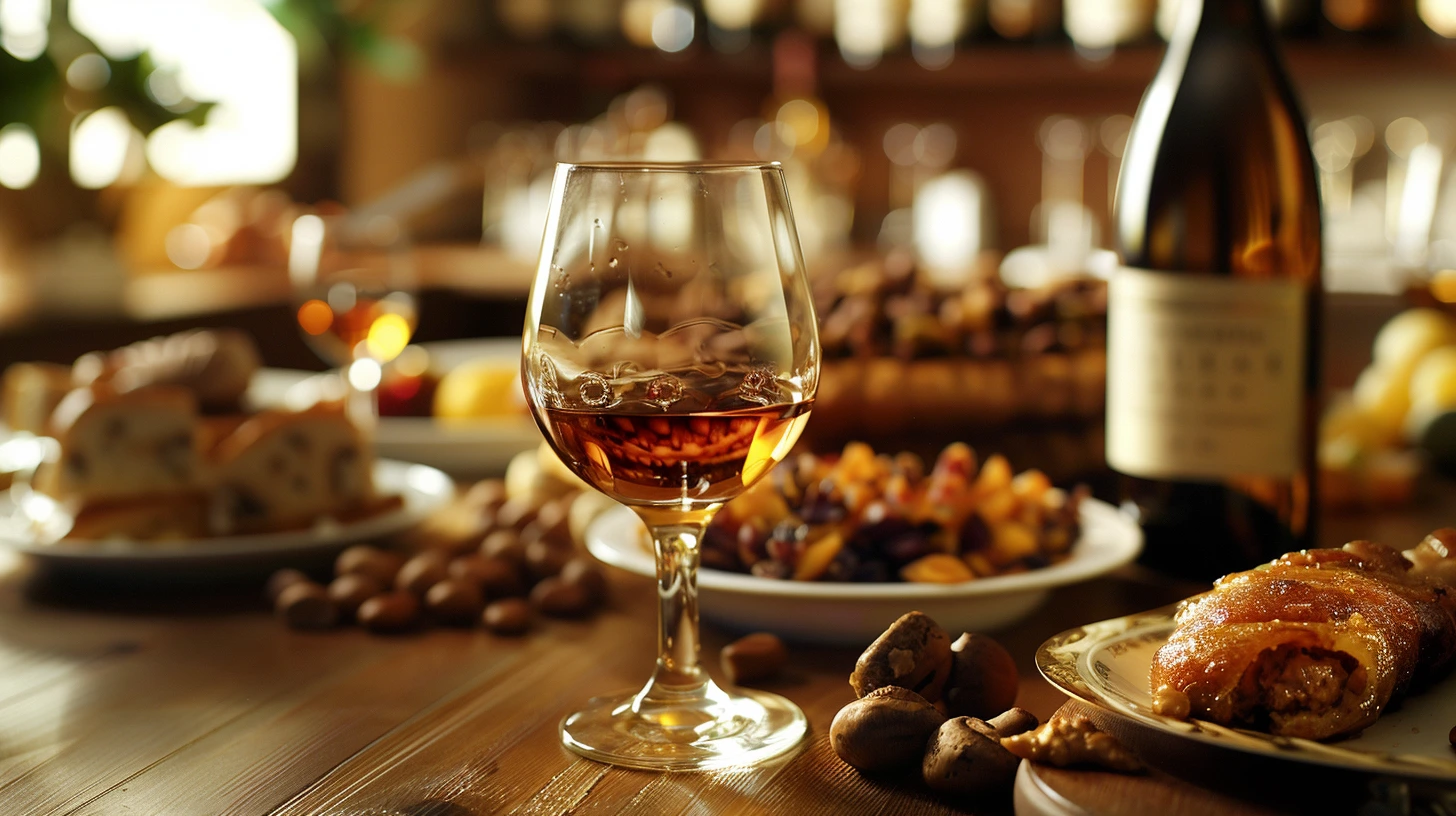
#3
Interesting match
Fortified
Madeira
Why it works:
- Flavour bridge: dark fruit, dried-fruit and caramel tones echo the dessert's cocoa richness
- Acidity: Enough freshness to stop the pairing becoming cloying
- Body: Full enough to match the dessert's density
- Tannin: Low or resolved tannin avoids amplifying chocolate bitterness
- Sweetness: Wine sweetness meets or exceeds the sweetness of the dessert
- Best for: Dinner, entertaining or recipe pairing
Cook next
View cuisine More Portuguese recipes
Keep exploring the country’s food story through related starters, mains and desserts.

Pastéis de Nata
Pastéis de Nata is a traditional Portuguese dessert with a memorable texture, a sense of occasion a…
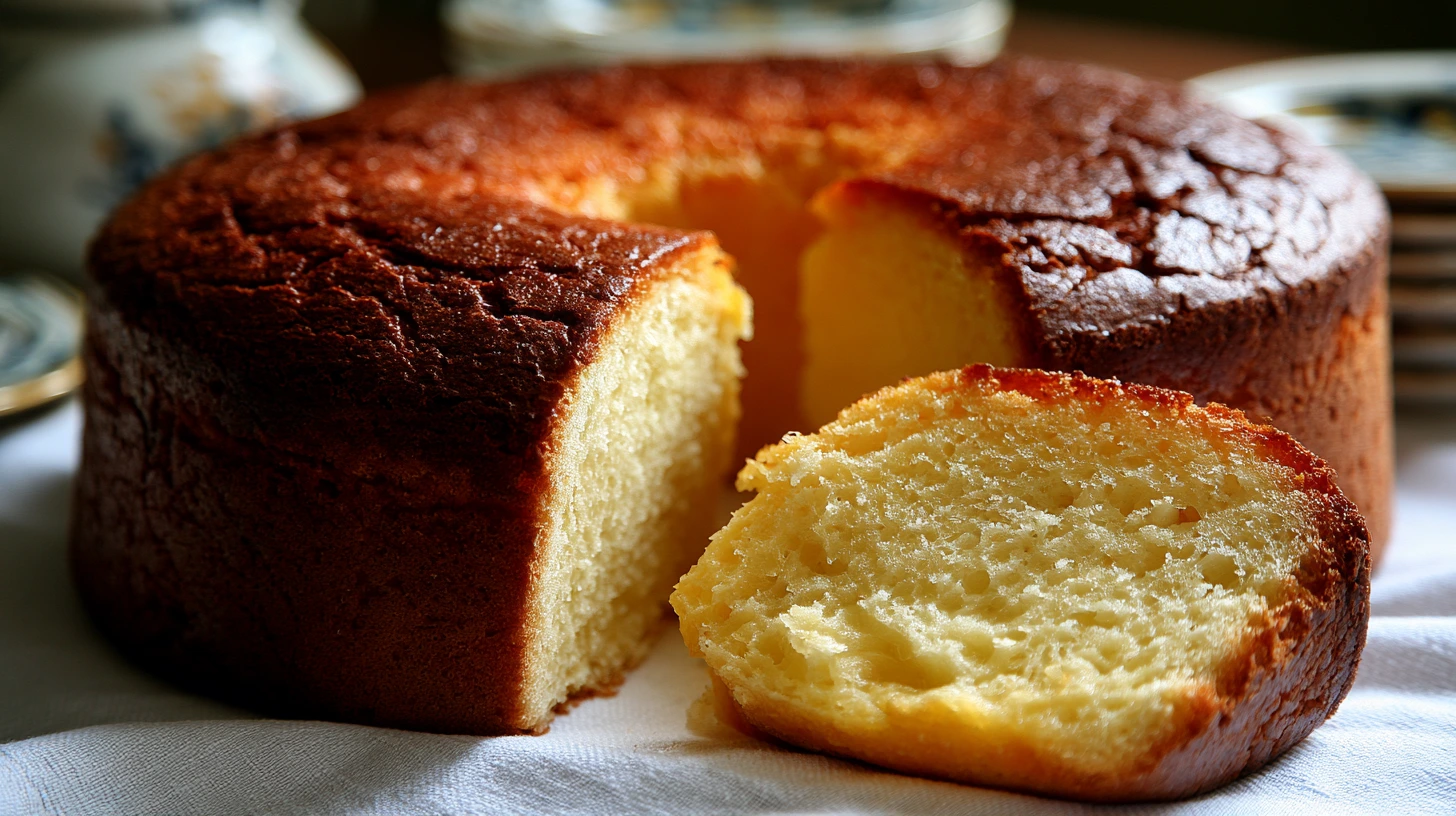
Pão de Ló
Light Portuguese sponge cake with a golden crust and tender egg-rich centre.

Arroz Doce
Arroz Doce is a traditional Portuguese dessert with a memorable texture, a sense of occasion and th…
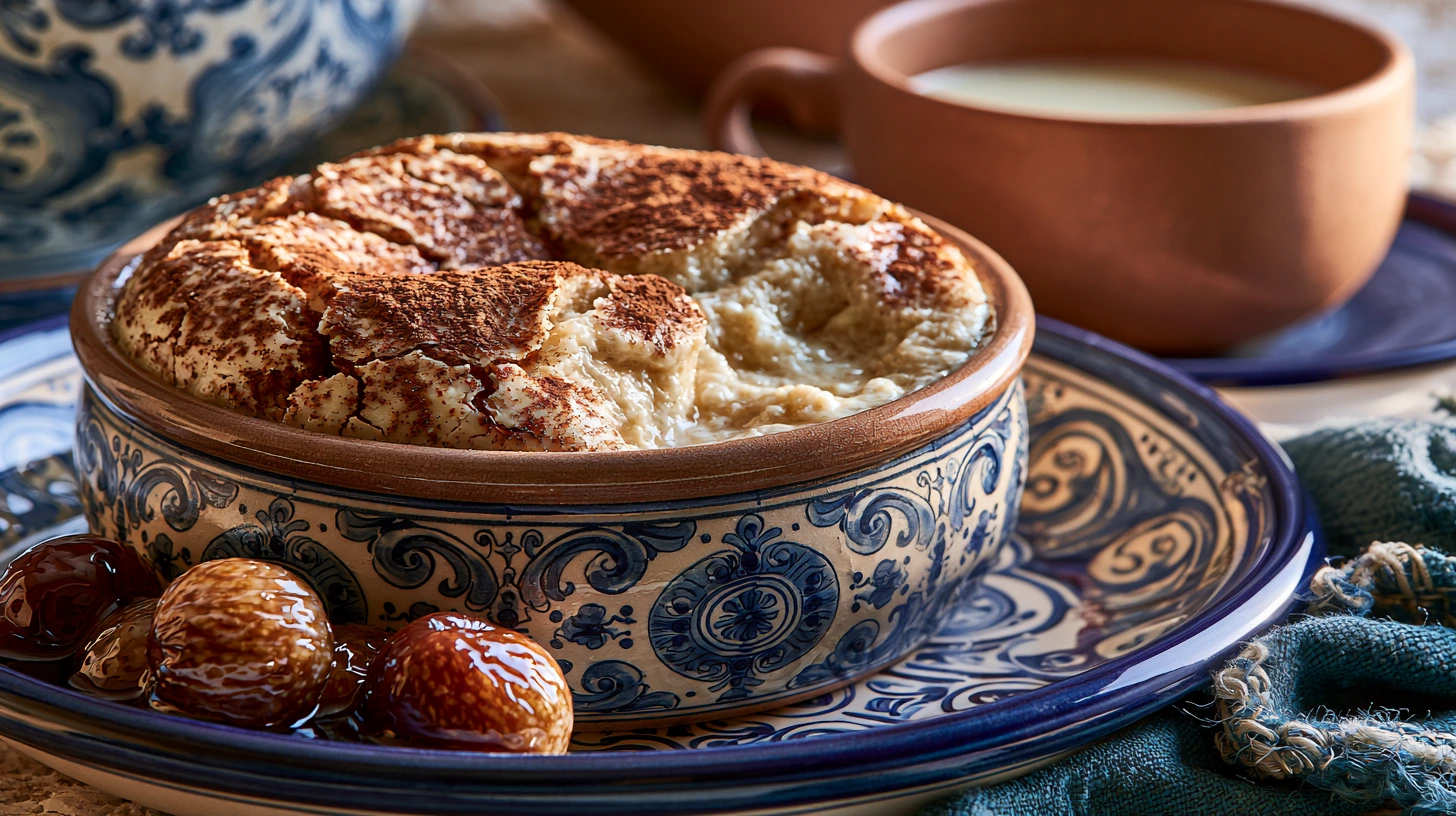
Sericaia
Alentejo egg and milk pudding baked with cinnamon until dramatically cracked.