Picadillo a la Cubana: the story on the plate
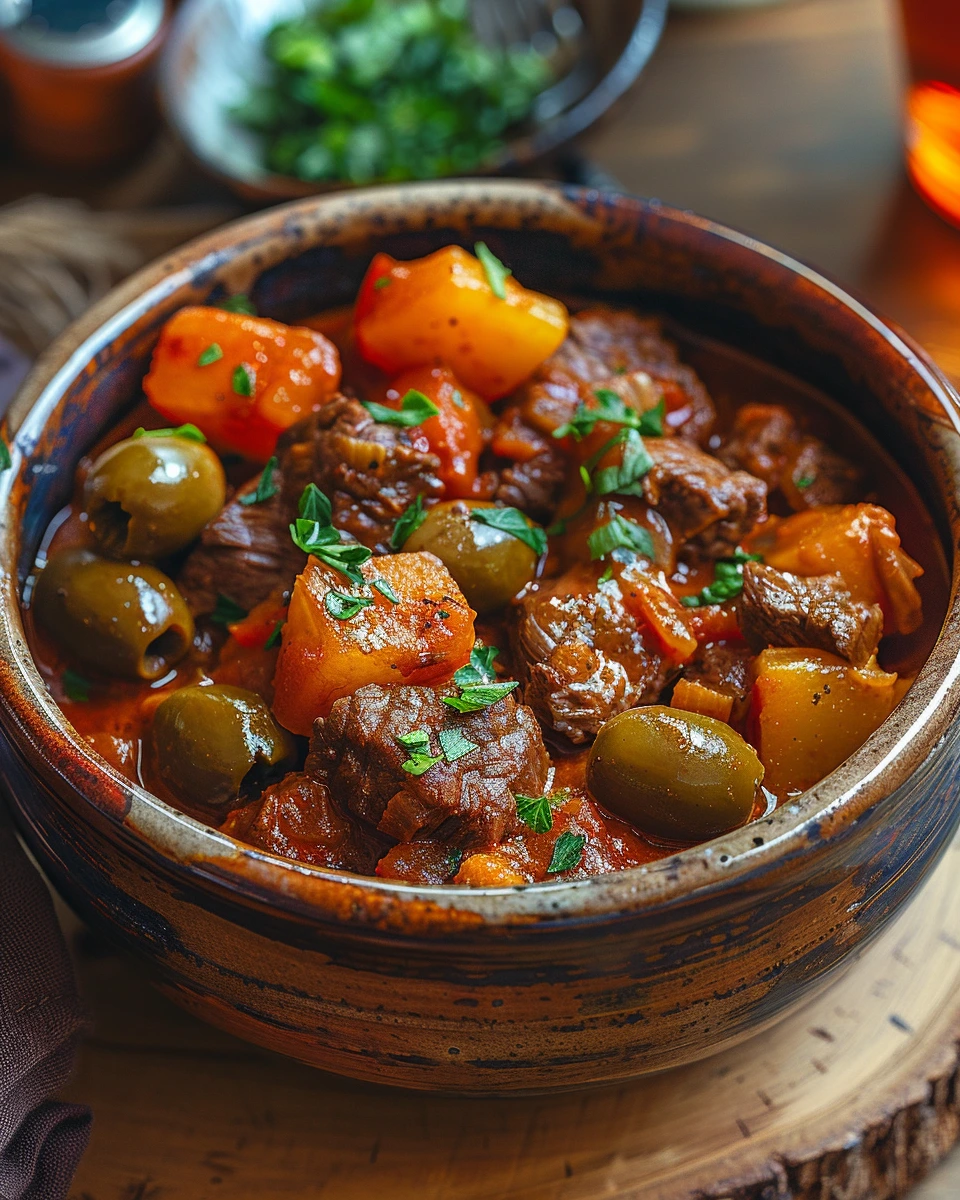
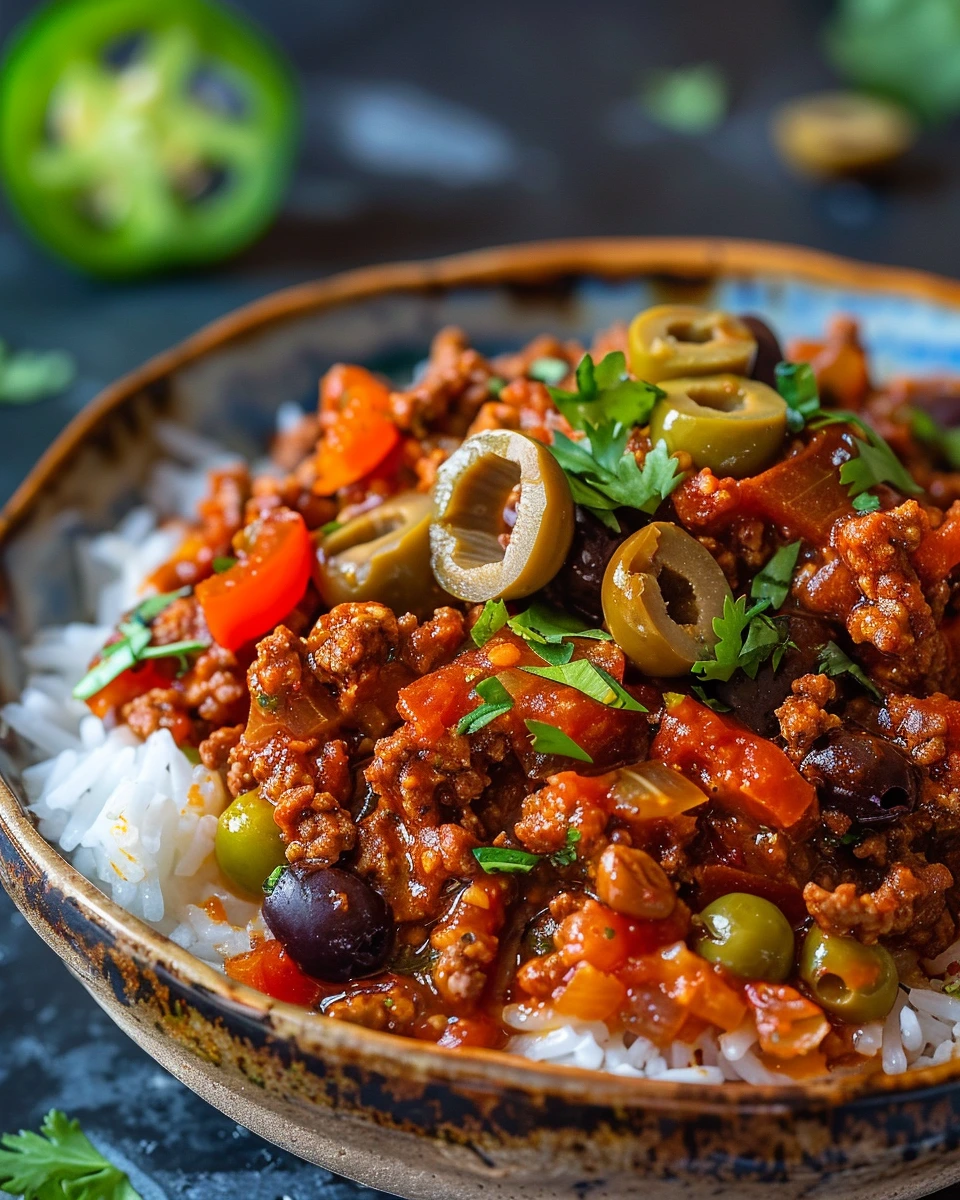
Picadillo developed from Iberian minced-meat preparations and took different forms throughout Latin America. The Cuban version reflects Spanish ingredients such as olives and capers alongside Caribbean sofrito and an economical cooking style suited to weekday meals. It is famous for its contrast of salty olives, sweet raisins and richly seasoned beef. Potatoes may be fried or simmered into the sauce, and the finished mixture should be moist enough for rice without becoming watery. Picadillo is a dependable family dish and also a filling for empanadas, stuffed peppers and pastries. Its familiarity makes it one of the clearest examples of Cuban sweet-and-savoury seasoning.
Historical background
Picadillo developed from Iberian minced-meat preparations and took different forms throughout Latin America. The Cuban version reflects Spanish ingredients such as olives and capers alongside Caribbean sofrito and an economical cooking style suited to weekday meals.
Why it is famous
It is famous for its contrast of salty olives, sweet raisins and richly seasoned beef. Potatoes may be fried or simmered into the sauce, and the finished mixture should be moist enough for rice without becoming watery.
Cultural significance
Picadillo is a dependable family dish and also a filling for empanadas, stuffed peppers and pastries. Its familiarity makes it one of the clearest examples of Cuban sweet-and-savoury seasoning.