Australian Dessert

Pavlova

Pavlova upgraded with metric serves-2 ingredients, a clearer Australian context and practical cooking guidance.

25 minsPrep time
1 hr 30 minsCook time
Serves 2Servings
MediumDifficulty
Pavlova
About this dish

Pavlova: the story on the plate

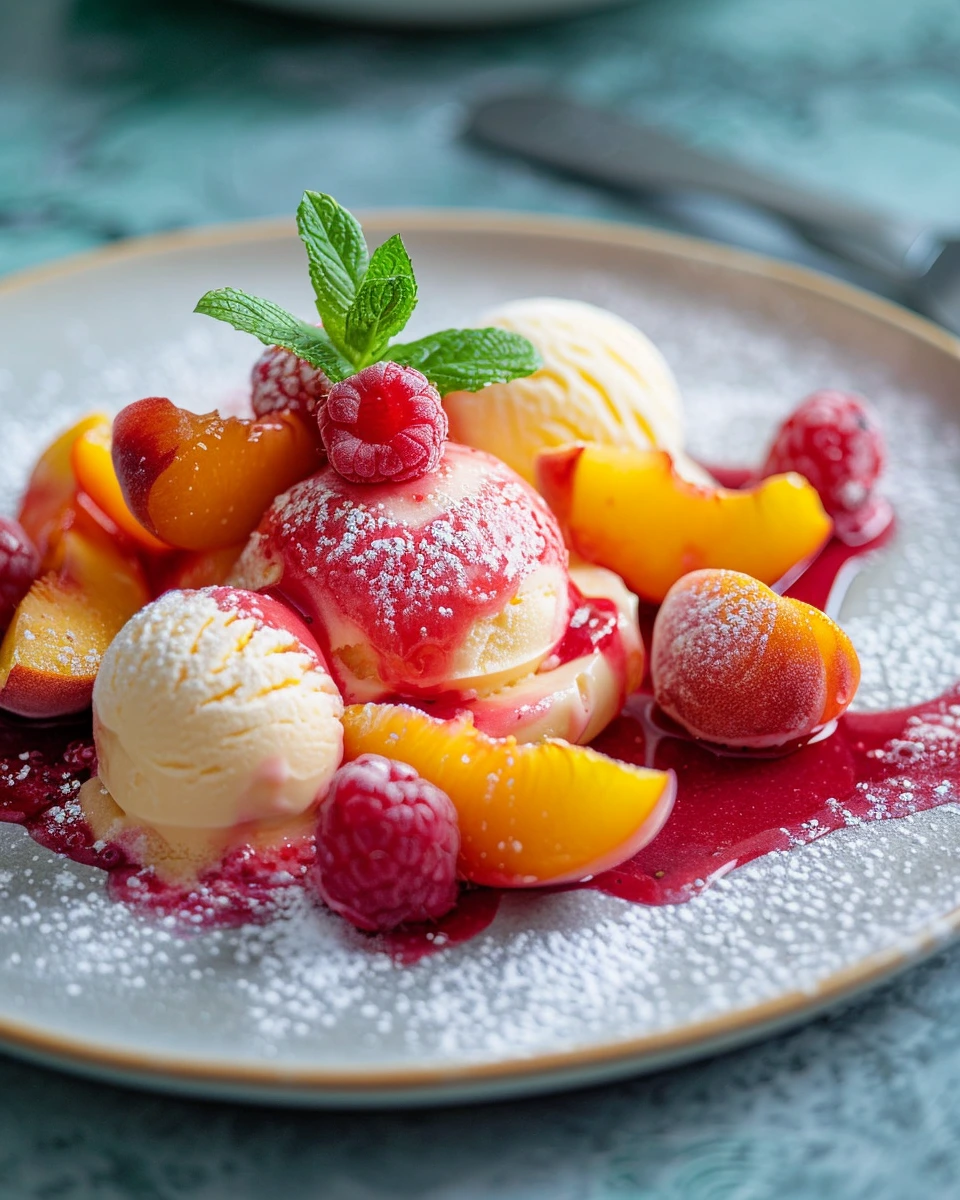
Crisp meringue with marshmallow centre, cream and fruit. This is a traditional Australian dessert built around regional ingredients, family cooking and a clear sense of place.

Historical background

This dessert sits in Australia’s bakery, home-cooking and celebration tradition, where simple pantry ingredients became highly recognisable sweets for afternoon tea, school fêtes, parties and family gatherings.

Why it is famous

It is famous because it is nostalgic, highly recognisable and strongly linked with Australian celebrations and bakeries.

Cultural significance

A useful Australian recipe because it links ingredients, setting and everyday eating rather than treating the dish as just a list of steps.

Nutrition

Estimated nutrition per serving

Useful for meal planning and calorie-aware recipe browsing.

520Calories
7gProtein
62gCarbs
28gFat

Estimated from the upgraded serves-2 metric ingredient list; verify with a nutrition calculator before making health claims.

Ingredients

What you need

  • 3 whites
  • 170 caster sugar
  • 1 cornflour
  • 1 white vinegar
  • 200 double cream
  • 60 passionfruit pulp
  • 150 mixed berries
Method

Step-by-step method

Follow the recipe in order, tasting and adjusting seasoning where needed.

  1. 1. Whisk egg whites to soft peaks. Measure everything before you start so the recipe scales cleanly from the dynamic ingredient quantities. Cut vegetables evenly so they soften at the same rate and the final texture is balanced.
  2. 2. Add sugar gradually until glossy. Work steadily and check texture rather than relying only on the clock.
  3. 3. Fold in cornflour and vinegar. Work steadily and check texture rather than relying only on the clock.
  4. 4. Shape into a meringue nest. Work steadily and check texture rather than relying only on the clock.
  5. 5. Bake low and slow, then cool completely. Preheat the oven to 120°C / 250°F and use the middle shelf unless the recipe needs strong top browning.
  6. 6. Top with cream, passionfruit and berries. Taste at the end for salt, acidity and richness; traditional versions should feel generous but balanced.
Cook smarter

Tips, storage and serving advice

Shopping tips

Buy the freshest main ingredient you can; for seafood choose clean-smelling, firm pieces, and for meat choose good colour with no excessive liquid.

Ingredient quality

Native ingredients such as lemon myrtle, wattleseed, pepperberry, bush tomato and finger lime should smell vivid rather than dusty or stale.

Common mistakes

Do not overcook lean seafood, kangaroo or crocodile; avoid under-seasoning simple bakery and barbecue dishes.

Chef’s tips

Prepare garnishes, sauces and sides before cooking the main protein so the dish can be served hot and fresh.

How to know it is cooked

Proteins should be just cooked through; pastry should be deeply golden; desserts should be set but not dry.

Plating advice

Keep plating simple: main item first, sauce neatly, fresh herb or citrus garnish last.

Make ahead

Sauces, pastry fillings and dessert bases can often be made ahead; crisp or grilled elements are best finished close to serving.

Storage and reheating

Store covered in the fridge and eat within 2 days for seafood or 3 days for cooked meat and desserts. Reheat gently; use an oven or air fryer for pastry and fried foods so they stay crisp.

Wine pairing

What to drink with Pavlova

Pairings are chosen around the dish’s flavour, texture, richness, acidity and cooking style — not just the country it comes from.

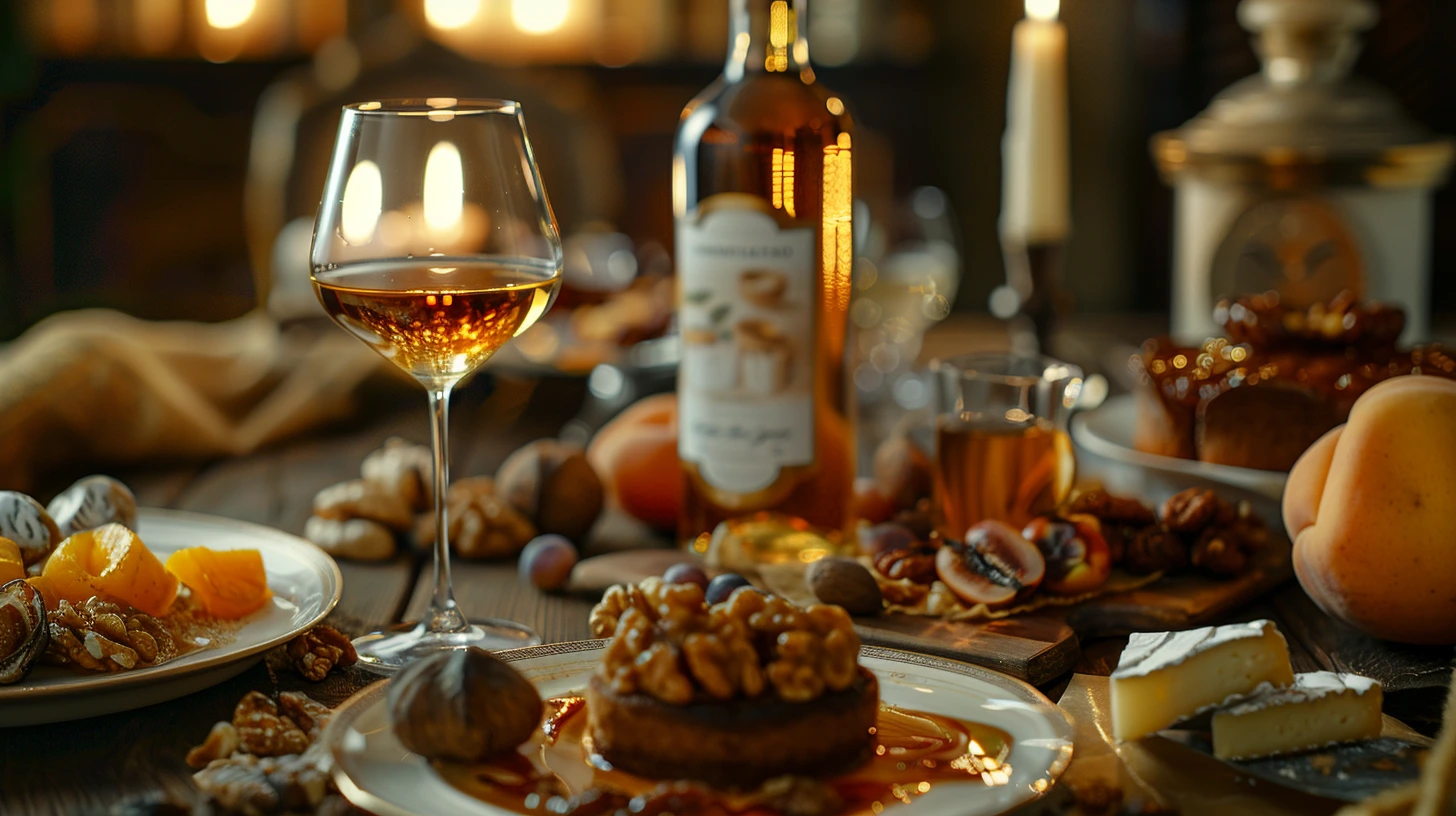
Moscato d'Asti wine pairing
#1 Great match Sparkling

Moscato d'Asti

Why it works: Moscato D Asti suits Pavlova because the dish is sweet, rounded and comforting, with enough richness to feel indulgent without becoming heavy; the wine keeps the finish balanced rather than heavy.

Lightly sparkling sweet Piedmontese wine with grape, peach and orange blossom.

GrapeMoscato Bianco
RegionPiedmont
Wine flavourpeach, grape, orange blossom, gentle bubbles
Serve at5-7°C
  • Flavour bridge: The pairing links acidity, body and aroma to the main ingredients, giving freshness for rich dishes and enough weight for hearty ones.
  • Acidity: Use acidity to lift richness, salt, fried texture, cream, butter or slow-cooked depth.
  • Body: The wine body is chosen to avoid overpowering the dish while still standing up to the main ingredient.
  • Tannin: Low or moderate tannin is safest unless the recipe is built around red meat, roasting or deep savoury sauces.
  • Sweetness: Keep the wine dry for savoury recipes; use gentle sweetness for desserts or spicy dishes.
  • Best for: Dessert pairing for testing and editorial menus.

These are wine-style pairings, so you can choose any bottle in that style rather than needing one exact producer. Look for the grape, region or style name on the label.

Bottle suggestions

Specific wines to try

These are individual wines already linked to this recipe.