New England Clam Chowder: the story on the plate
New England clam chowder grew from the coastal cooking of the north-eastern United States, where European settlers adapted familiar fish soups to abundant local shellfish. By the nineteenth century, versions thickened with milk or cream were established in inns and homes from Massachusetts to Maine. The dish became especially associated with Boston, although recipes vary across the region. It is recognised for its pale, creamy broth, briny clam flavour and soft cubes of potato. A good chowder is rich without becoming gluey: the clam liquor should remain evident, the potatoes should hold their shape and salt pork or bacon should provide a restrained smoky depth. Clam chowder is served in seafood shacks, historic restaurants and family kitchens throughout New England. It is closely linked to cold-weather coastal dining and is often eaten with oyster crackers. In regional debates about chowder, the cream-based New England style is frequently contrasted with the tomato-based Manhattan version.
Historical background
New England clam chowder grew from the coastal cooking of the north-eastern United States, where European settlers adapted familiar fish soups to abundant local shellfish. By the nineteenth century, versions thickened with milk or cream were established in inns and homes from Massachusetts to Maine. The dish became especially associated with Boston, although recipes vary across the region.
Why it is famous
It is recognised for its pale, creamy broth, briny clam flavour and soft cubes of potato. A good chowder is rich without becoming gluey: the clam liquor should remain evident, the potatoes should hold their shape and salt pork or bacon should provide a restrained smoky depth.
Cultural significance
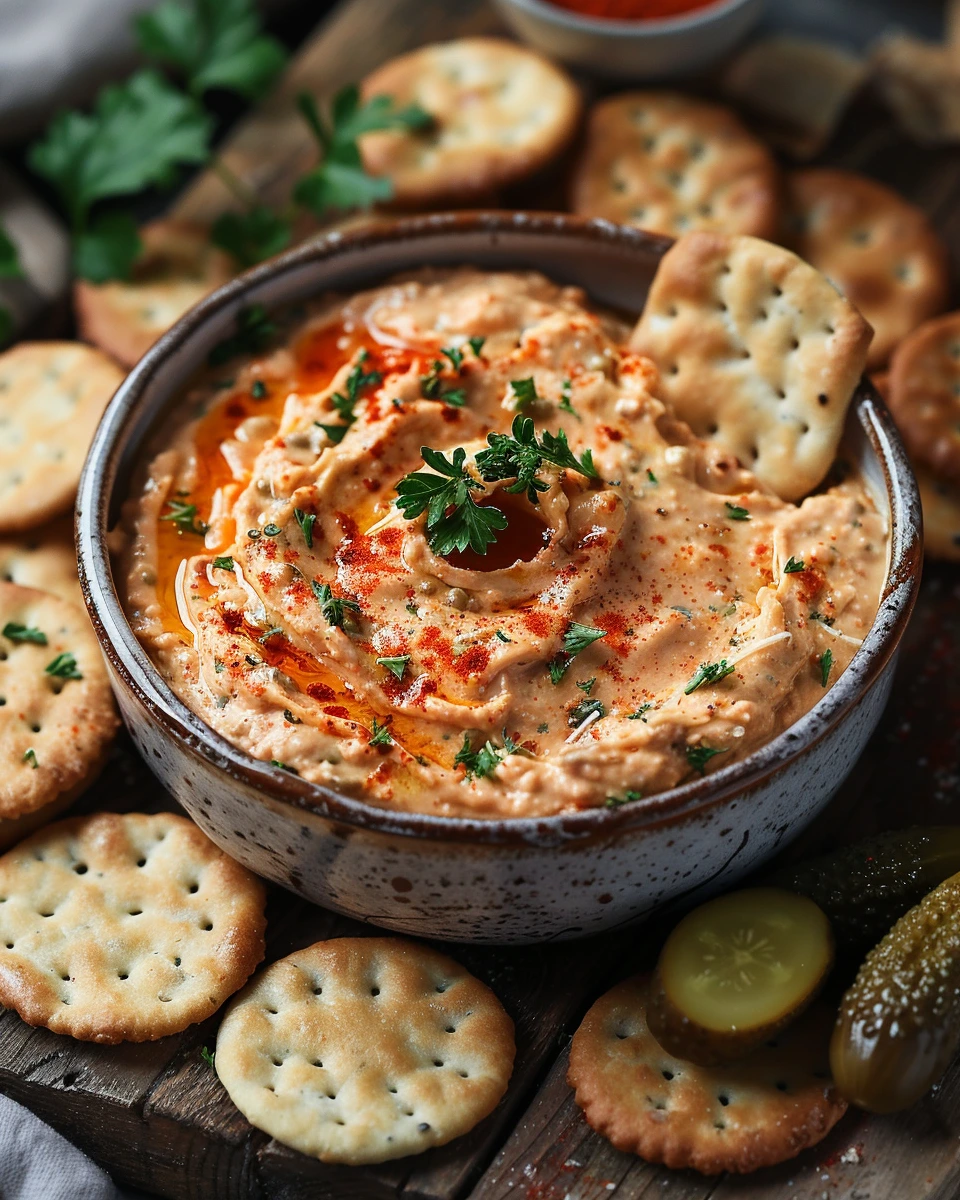
Clam chowder is served in seafood shacks, historic restaurants and family kitchens throughout New England. It is closely linked to cold-weather coastal dining and is often eaten with oyster crackers. In regional debates about chowder, the cream-based New England style is frequently contrasted with the tomato-based Manhattan version.