Maniçoba: the story on the plate
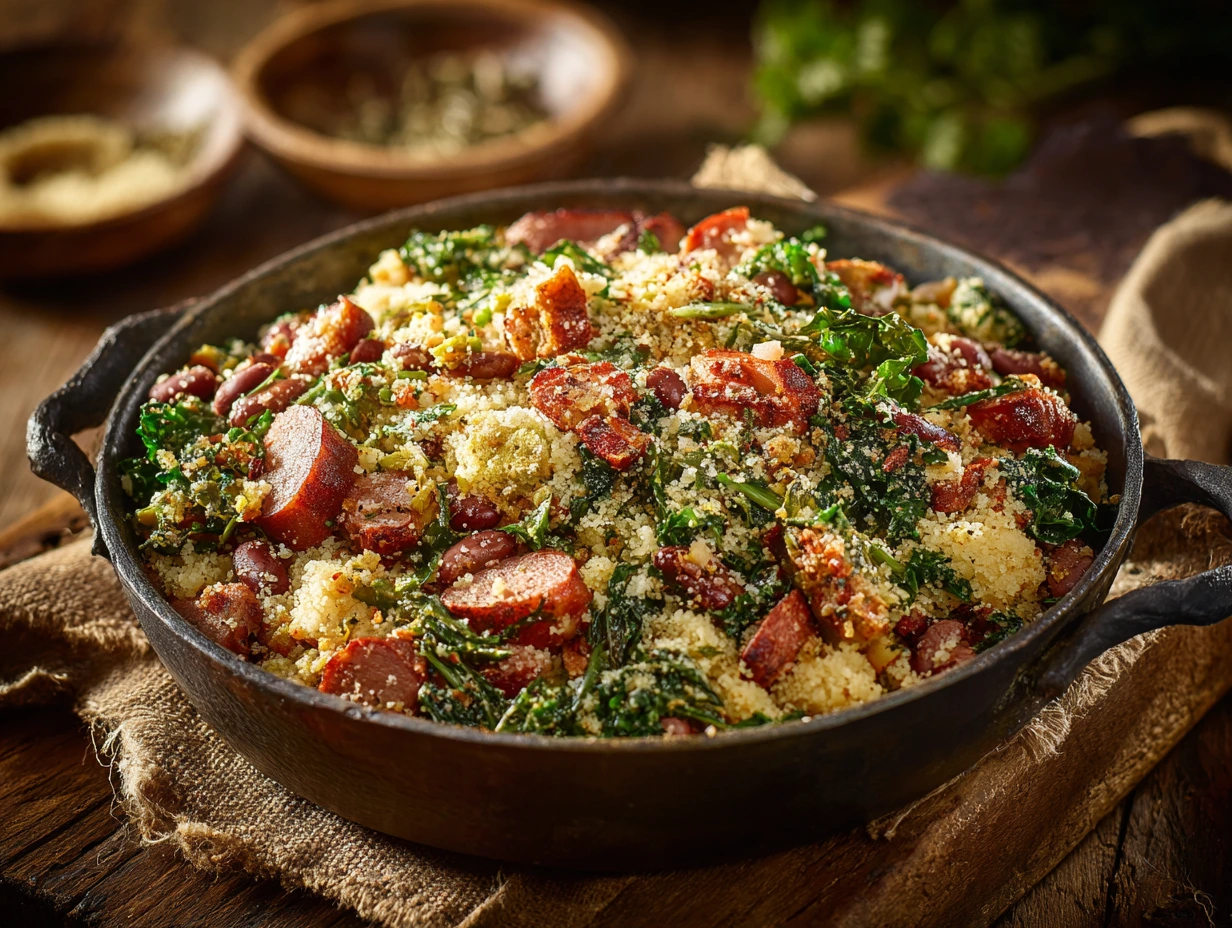
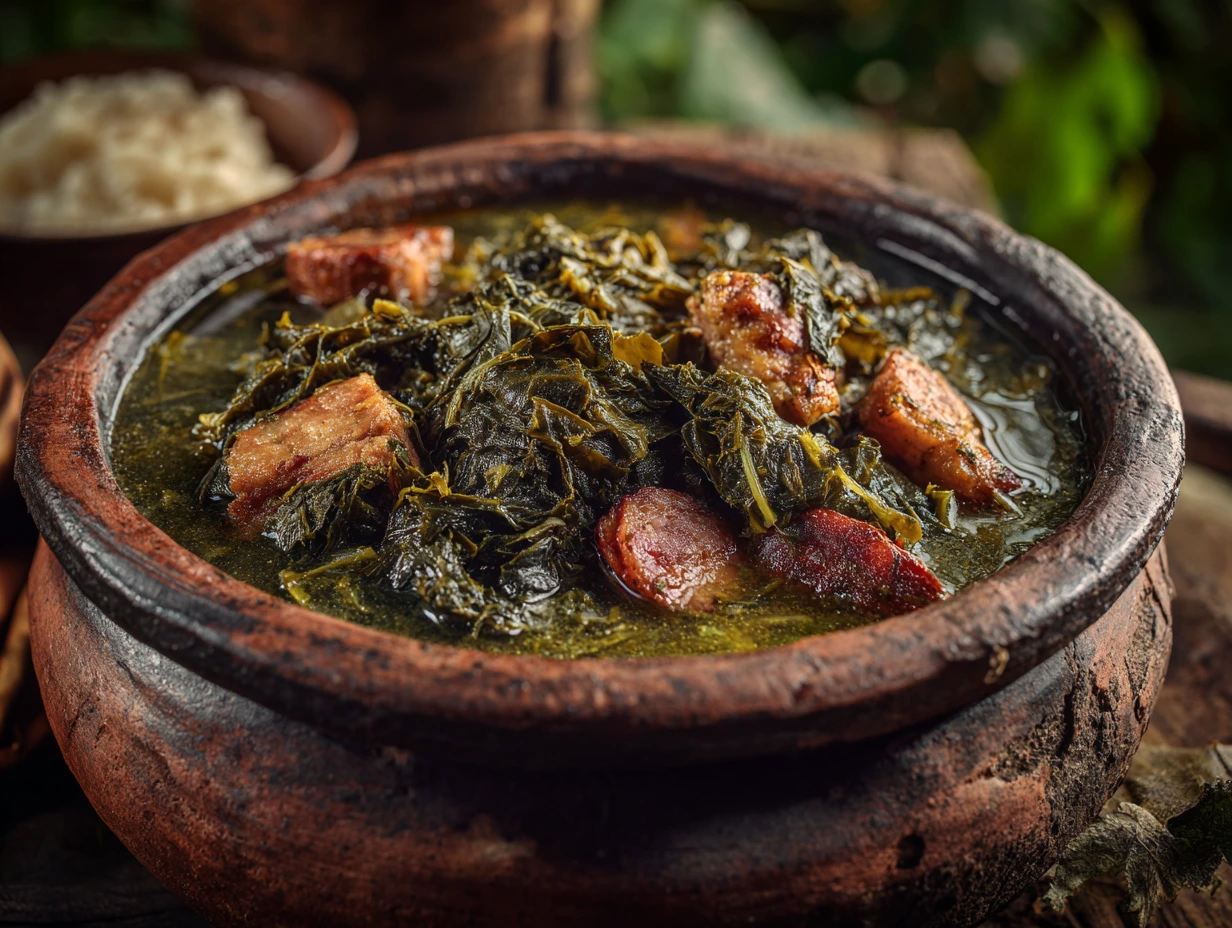
Maniçoba is often described as an Amazonian relative of feijoada, but its defining ingredient is maniva, ground cassava leaves that require prolonged boiling to remove natural toxins. The method reflects Indigenous knowledge and Afro-Portuguese adaptation. Long cooking turns the leaves into a dark, earthy base around smoked and salted meats. The flavour is deep and vegetal rather than bean-led. It is strongly associated with the Círio de Nazaré in Pará and with communal preparation. Safety and patience are inseparable from the dish’s cultural meaning.
Historical background
Maniçoba is often described as an Amazonian relative of feijoada, but its defining ingredient is maniva, ground cassava leaves that require prolonged boiling to remove natural toxins. The method reflects Indigenous knowledge and Afro-Portuguese adaptation.
Why it is famous
Long cooking turns the leaves into a dark, earthy base around smoked and salted meats. The flavour is deep and vegetal rather than bean-led.
Cultural significance
It is strongly associated with the Círio de Nazaré in Pará and with communal preparation. Safety and patience are inseparable from the dish’s cultural meaning.