Louise Cake: the story on the plate
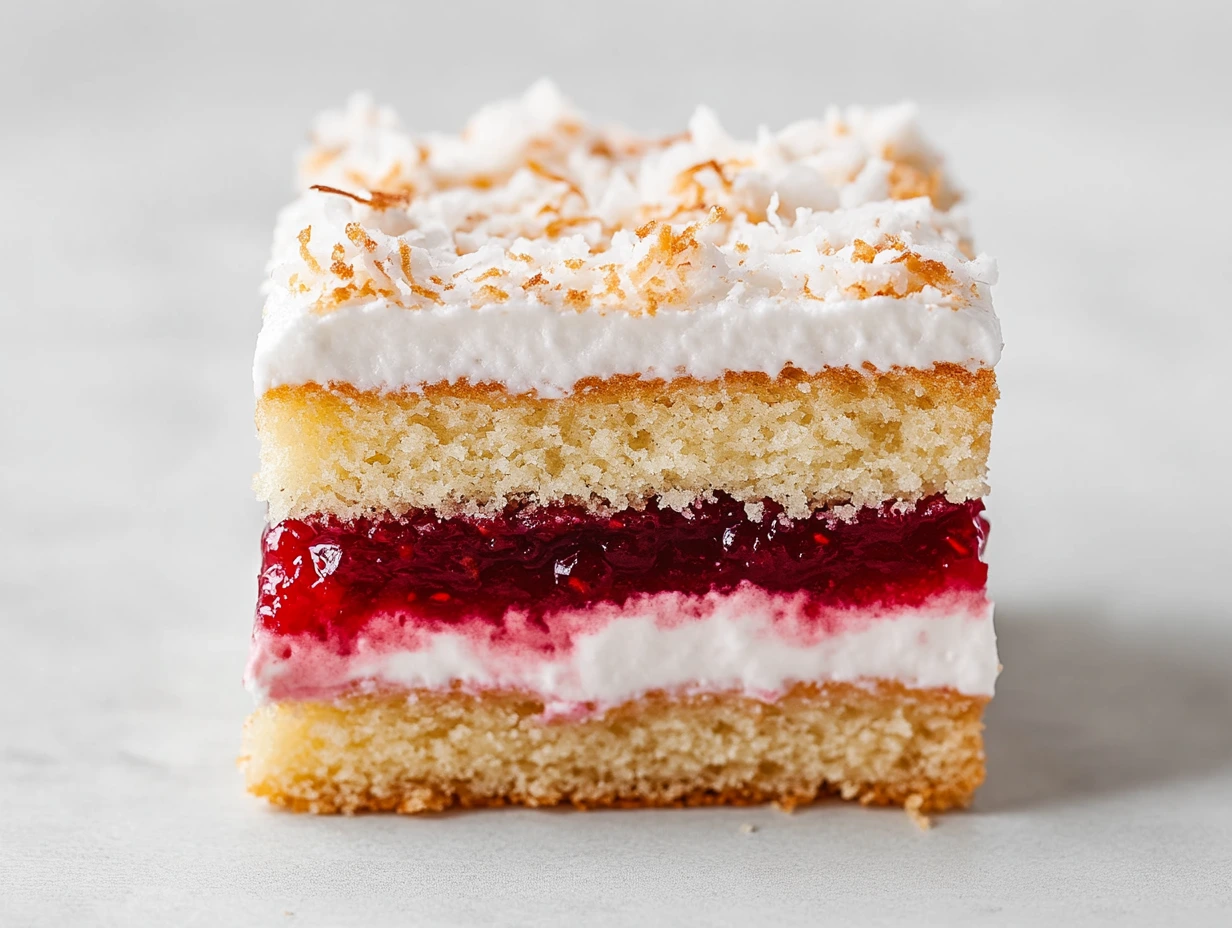
Louise cake has a long place in New Zealand baking, appearing in domestic cookbooks from the late nineteenth and early twentieth centuries. Its named origin is uncertain, but the structure reflects British colonial baking. The dish is recognised for a layered slice of short pastry, raspberry jam, coconut meringue and crisp edges. Its success depends on preserving the contrast between the principal ingredient, seasoning and finished texture rather than allowing one element to dominate. It remains common in tearooms, school fundraisers and home baking tins, valued for contrasting layers and reliable slicing.
Historical background
Louise cake has a long place in New Zealand baking, appearing in domestic cookbooks from the late nineteenth and early twentieth centuries. Its named origin is uncertain, but the structure reflects British colonial baking.
Why it is famous
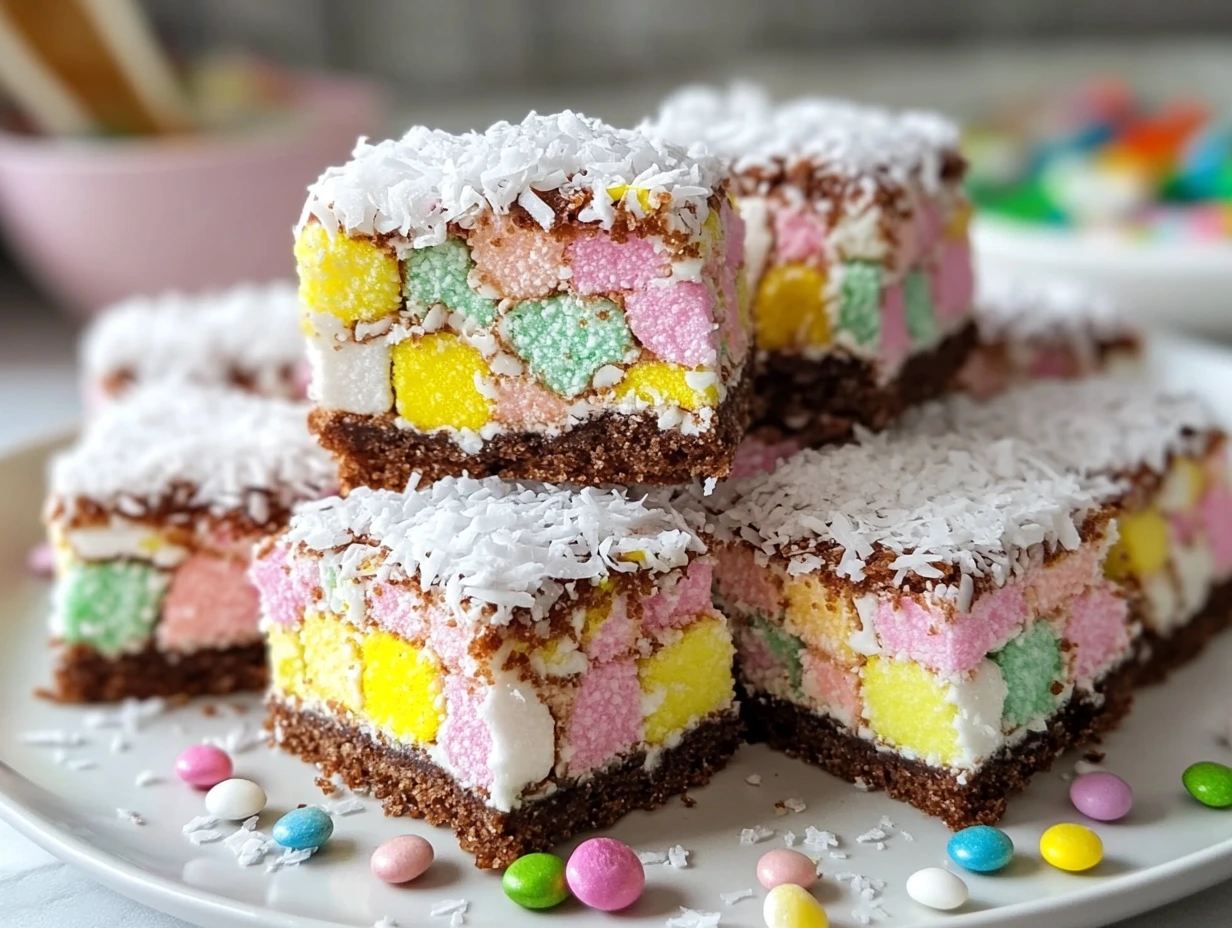
The dish is recognised for a layered slice of short pastry, raspberry jam, coconut meringue and crisp edges. Its success depends on preserving the contrast between the principal ingredient, seasoning and finished texture rather than allowing one element to dominate.
Cultural significance
It remains common in tearooms, school fundraisers and home baking tins, valued for contrasting layers and reliable slicing.