Lechón Asado: the story on the plate
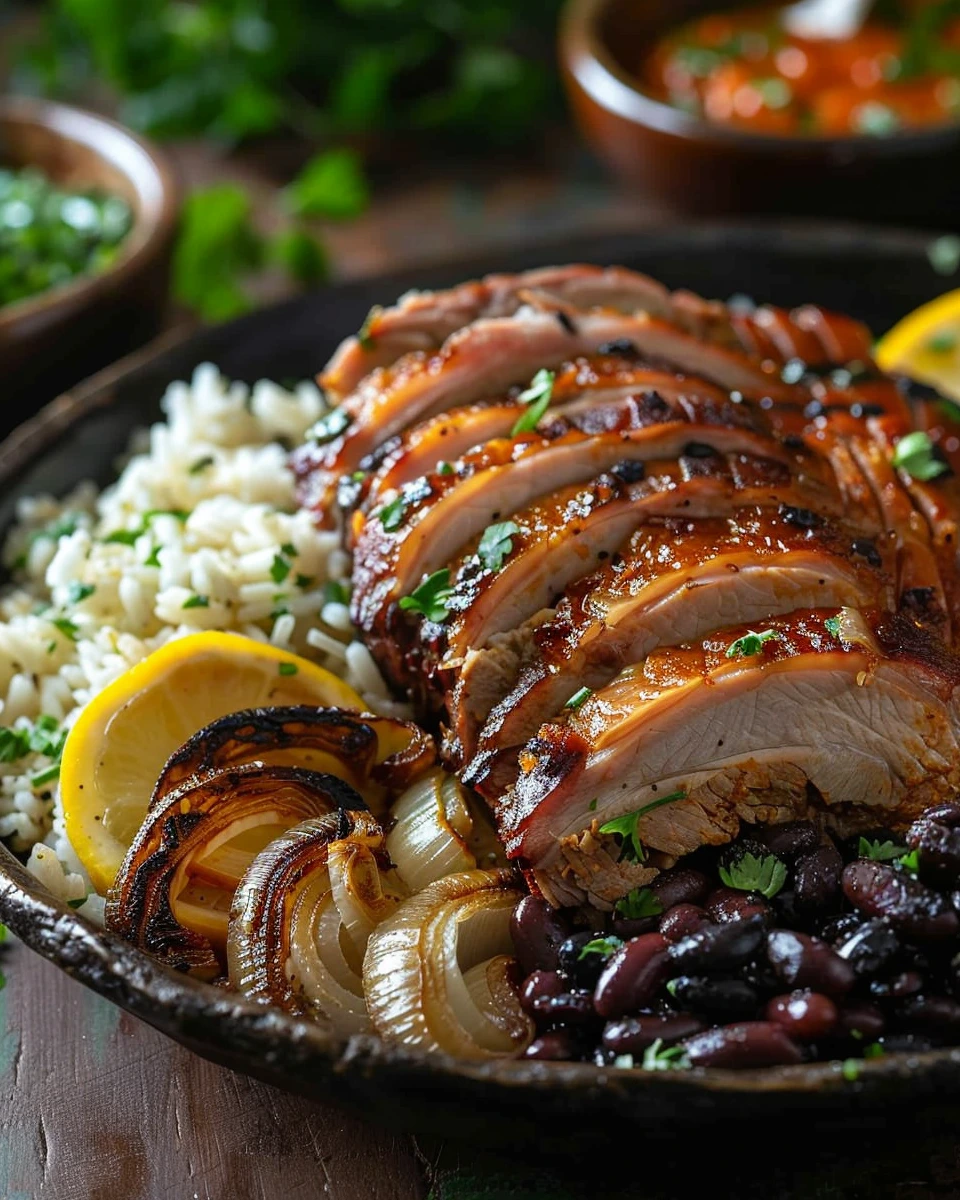
Whole pig roasting came through Spanish colonial traditions and became embedded in Cuban celebrations, while sour orange, garlic and oregano gave the island's version its unmistakable flavour. Domestic recipes often use a shoulder, but preserve the long marination and slow roasting. The dish is prized for meat that pulls apart easily while retaining juicy slices, with mojo penetrating beyond the surface. Crisp skin or caramelised edges provide contrast to the soft interior. Lechón is central to Nochebuena, New Year gatherings and large family parties. Roasting is often communal, and the pork anchors a table of black beans, rice, yuca and plantains.
Historical background
Whole pig roasting came through Spanish colonial traditions and became embedded in Cuban celebrations, while sour orange, garlic and oregano gave the island's version its unmistakable flavour. Domestic recipes often use a shoulder, but preserve the long marination and slow roasting.
Why it is famous
The dish is prized for meat that pulls apart easily while retaining juicy slices, with mojo penetrating beyond the surface. Crisp skin or caramelised edges provide contrast to the soft interior.
Cultural significance
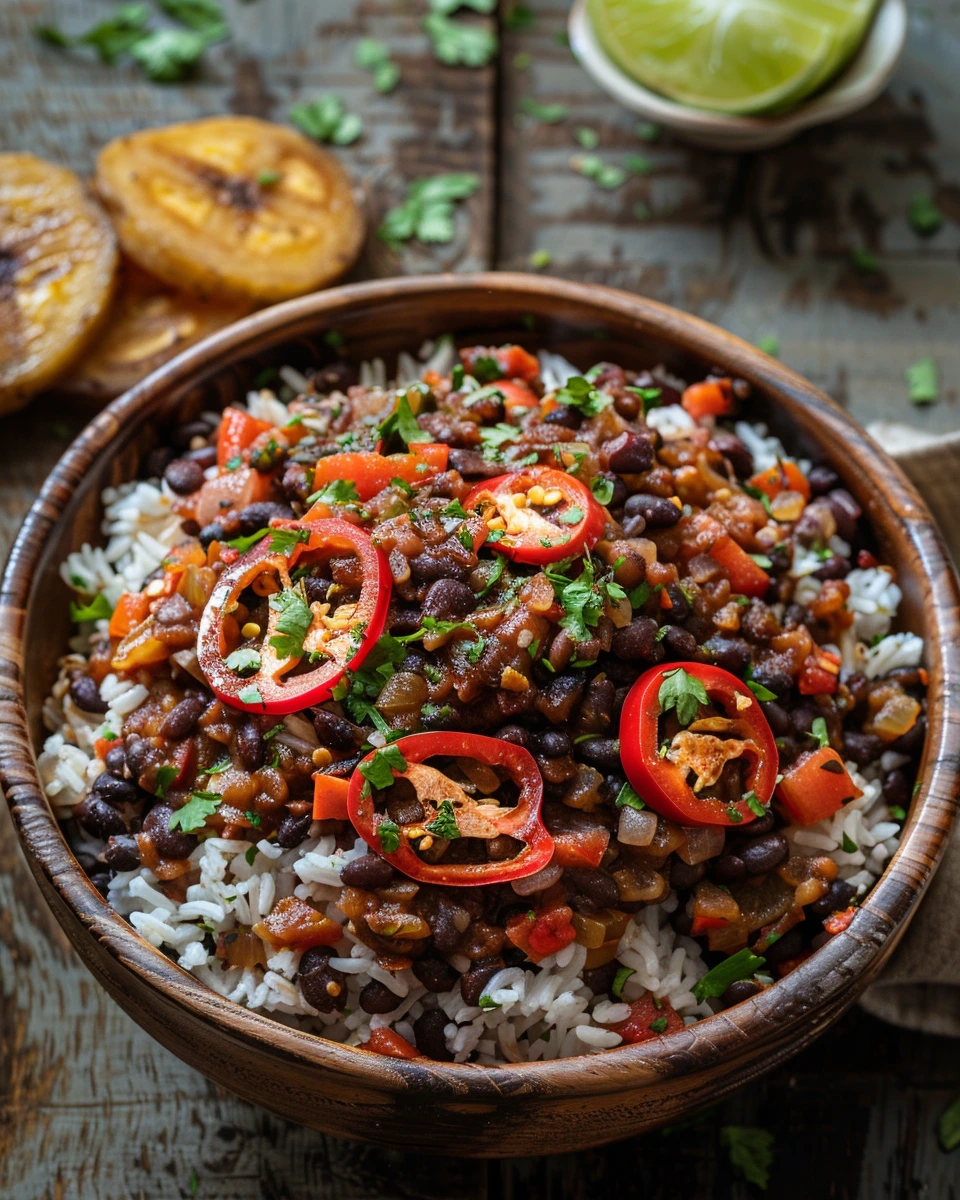
Lechón is central to Nochebuena, New Year gatherings and large family parties. Roasting is often communal, and the pork anchors a table of black beans, rice, yuca and plantains.