Königsberger Klopse: the story on the plate
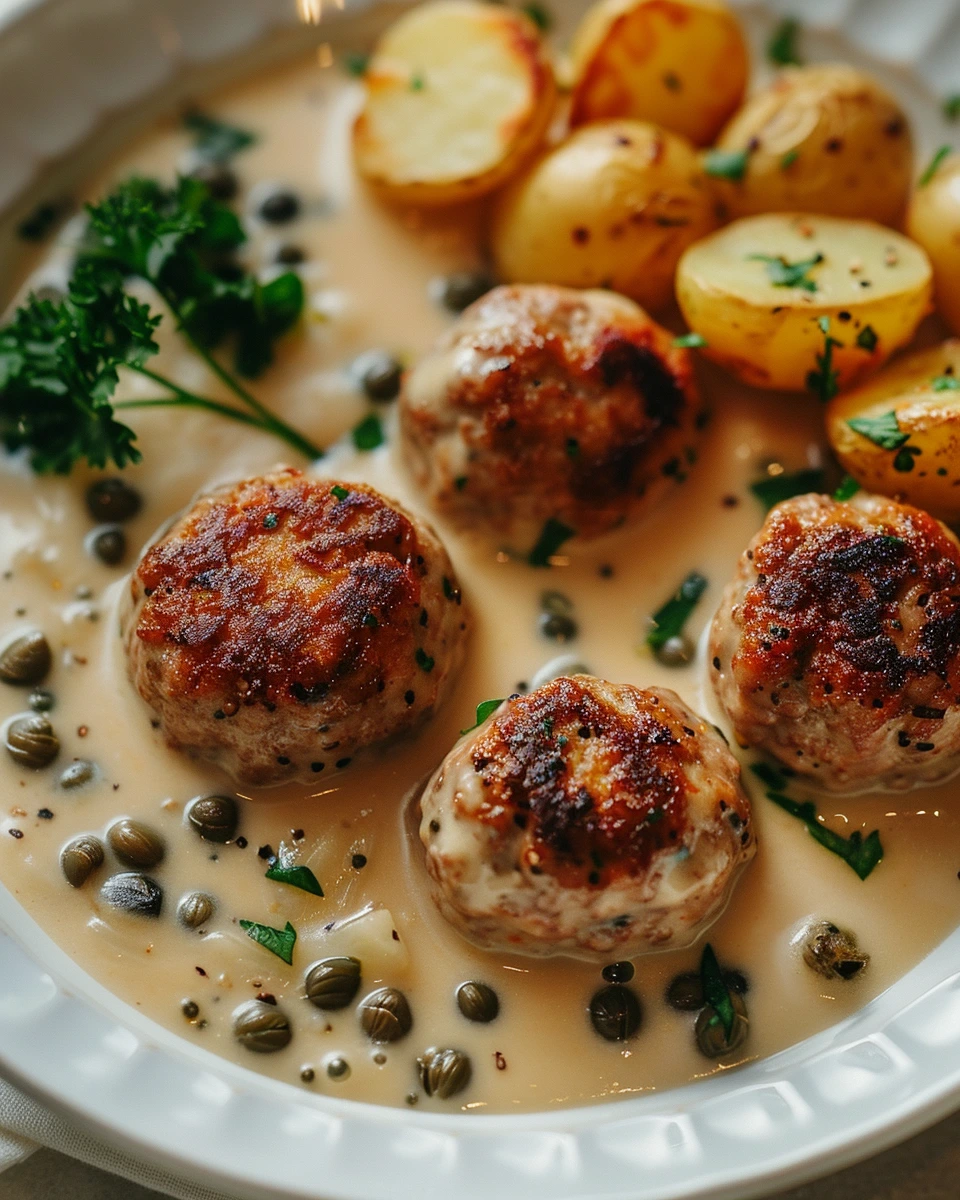
The dish originated in Königsberg in East Prussia, now Kaliningrad, and became one of the best-known recipes carried into post-war German cooking. Its sauce reflects refined Baltic and Prussian tastes. The meatballs are poached rather than browned, giving a soft texture. Capers and lemon cut through the cream sauce, creating an elegant sweet-sour-salty balance. Königsberger Klopse remain an important culinary memory of former East Prussia and are served with boiled potatoes and beetroot in homes and traditional restaurants.
Historical background
The dish originated in Königsberg in East Prussia, now Kaliningrad, and became one of the best-known recipes carried into post-war German cooking. Its sauce reflects refined Baltic and Prussian tastes.
Why it is famous
The meatballs are poached rather than browned, giving a soft texture. Capers and lemon cut through the cream sauce, creating an elegant sweet-sour-salty balance.
Cultural significance
Königsberger Klopse remain an important culinary memory of former East Prussia and are served with boiled potatoes and beetroot in homes and traditional restaurants.