
American Main
Hoppin John with Collard Greens
Hoppin John with Collard Greens upgraded with metric serves-2 ingredients, a clearer flavour profile and a stronger traditional food story.
20 minsPrep time
1 hr 15 minsCook time
Serves 2Servings
EasyDifficulty

Nutrition
Estimated nutrition per serving
These figures are estimates per serving. Actual nutrition can vary with the brands and exact amounts you use, how much oil, dressing or sauce is absorbed, any substitutions or added extras, and the portion size served.A practical guide for comparing recipes and planning meals.
680Calories
42gProtein
52gCarbs
32gFat
Ingredients
What you need
- 160 onion, diced
- 100 celery, diced
- 120 green bell pepper, diced
- 1 apple cider vinegar
- 300 collard greens, stems removed, leaves sliced into ribbons
- 300 black-eyed peas, black eyed peas, soaked overnight
- 260 long-grain rice, long grain rice, rinsed
- 450 smoked ham hock
- 900 chicken stock
Method
Step-by-step method
Follow the recipe in order, tasting and adjusting seasoning where needed.
- 1. Dice onion, celery and green pepper evenly. Cook with a little oil over medium heat for 8 minutes until soft.
- 2. Add soaked black eyed peas, ham hock and stock. Simmer for 60-75 minutes until the peas are tender.
- 3. Stir in rinsed rice, cover and cook very gently for 18 minutes, then rest off heat for 10 minutes.
- 4. Slice collards into ribbons and cook until tender with a splash of vinegar. Serve beside or folded through.
Cook smarter
Tips, storage and serving advice
Shopping tips
Ingredient quality
Common mistakes
Chef’s tips
How to know it is cooked
Plating advice
Make ahead
Storage and reheating
Wine pairing
What to drink with Hoppin John with Collard Greens
These are wine-style pairings, so you can choose any bottle in that style rather than needing one exact producer. Look for the grape, region or style name on the label.Pairings are chosen around the dish’s flavour, texture, richness, acidity and cooking style, not just the country it comes from.

#1
Excellent match
White
Dry Riesling
Why it works:
- Flavour bridge: red or orchard fruit complements the meat's natural sweetness and browned edges
- Acidity: Fresh acidity cleanses the palate after fat
- Body: Medium body matches the dish without dominating it
- Tannin: Moderate or low tannin keeps the pairing supple
- Sweetness: Dry to gently off-dry styles can handle sweet-savoury elements
- Best for: Dinner, entertaining or recipe pairing

#2
Great match
Red
Spätburgunder
Why it works:
- Flavour bridge: red or orchard fruit complements the meat's natural sweetness and browned edges
- Acidity: Fresh acidity cleanses the palate after fat
- Body: Medium body matches the dish without dominating it
- Tannin: Moderate or low tannin keeps the pairing supple
- Sweetness: Dry to gently off-dry styles can handle sweet-savoury elements
- Best for: Dinner, entertaining or recipe pairing
#3
Interesting match
Red
Beaujolais / Gamay
Why it works:
- Flavour bridge: red or orchard fruit complements the meat's natural sweetness and browned edges
- Acidity: Fresh acidity cleanses the palate after fat
- Body: Medium body matches the dish without dominating it
- Tannin: Moderate or low tannin keeps the pairing supple
- Sweetness: Dry to gently off-dry styles can handle sweet-savoury elements
- Best for: Dinner, entertaining or recipe pairing
Bottle suggestions
Specific wines to try
These are named bottles or regional wine examples already linked to this recipe. Each card opens the relevant wine-style guide because individual bottle pages are not currently published.American Zinfandel
Suggested pairing for Hoppin John with Collard Greens: American Zinfandel supports the dish structure and dominant flavours.
Explore this wine styleAustralian Dry Riesling
Australian Dry Riesling is credible here because it represents the matched Dry Riesling style. Dry Riesling combines piercin…
Explore this wine styleAustralian Semillon Sauvignon Blanc
Australian Semillon Sauvignon Blanc is credible here because it represents the matched Sauvignon Blanc style. Sauvignon Blan…
Explore this wine styleAustralian Shiraz
Australian Shiraz is credible here because it represents the matched Syrah / Shiraz style. Syrah offers pepper, dark fruit a…
Explore this wine styleChinese Food Off-Dry Riesling
Chinese Food Off-Dry Riesling is credible here because it represents the matched Dry Riesling style. Dry Riesling combines p…
Explore this wine styleMexican Food Riesling
Mexican Food Riesling is credible here because it represents the matched Dry Riesling style. Dry Riesling combines piercing…
Explore this wine styleCook next
View cuisine More American recipes
Keep exploring the country’s food story through related starters, mains and desserts.
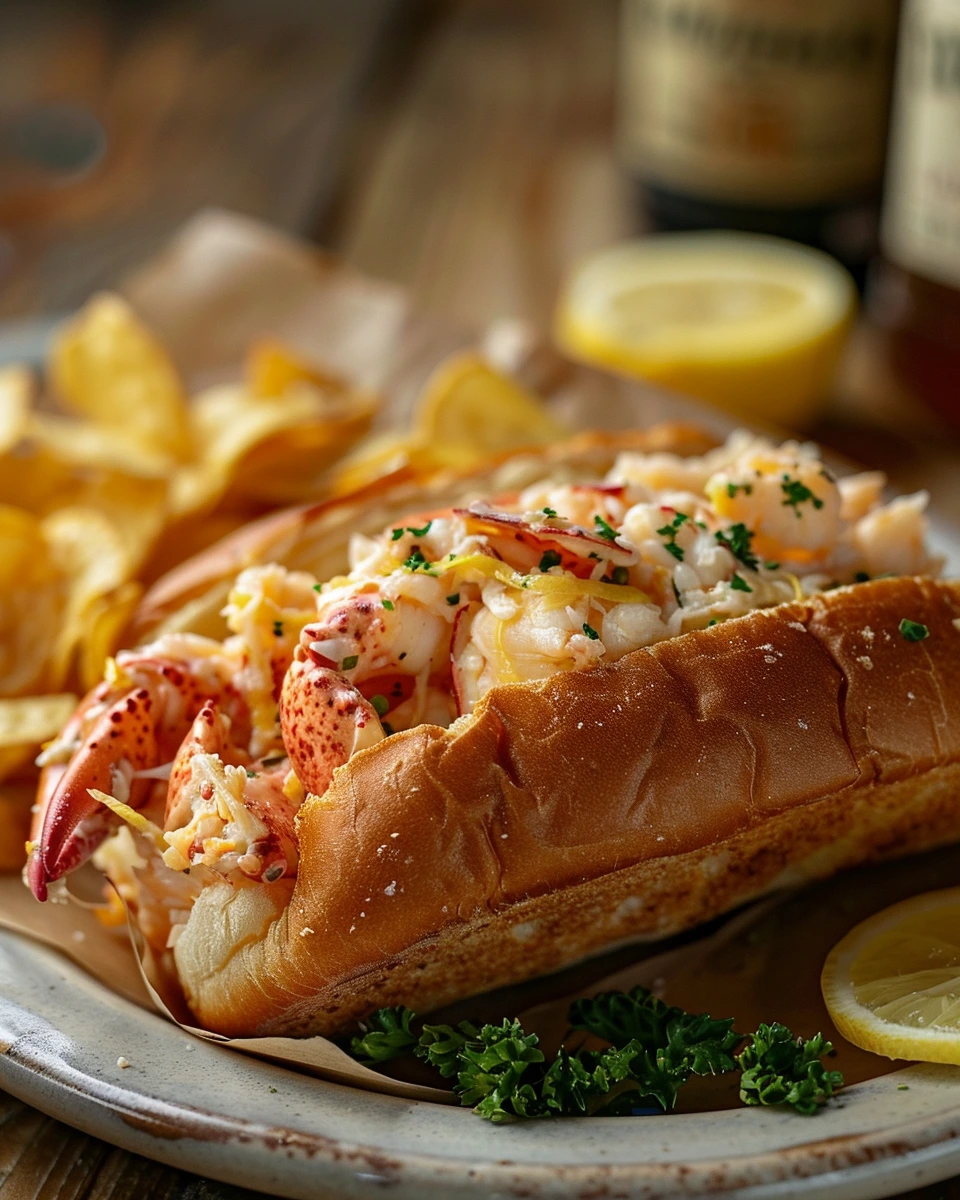
Maine Lobster Roll
Sweet Maine lobster lightly dressed and packed into a buttered, toasted split-top roll.

Green Chile Cheeseburger
A juicy beef burger topped with roasted New Mexico green chiles and melted cheese.

Philly Cheesesteak
Thinly sliced griddled beef in a long roll with melted cheese and, optionally, fried onions.

Southern Catfish Fry
Cornmeal-crusted catfish fried crisp and served with hush puppies, slaw, lemon and tartar sauce.