Gratin Dauphinois: the story on the plate
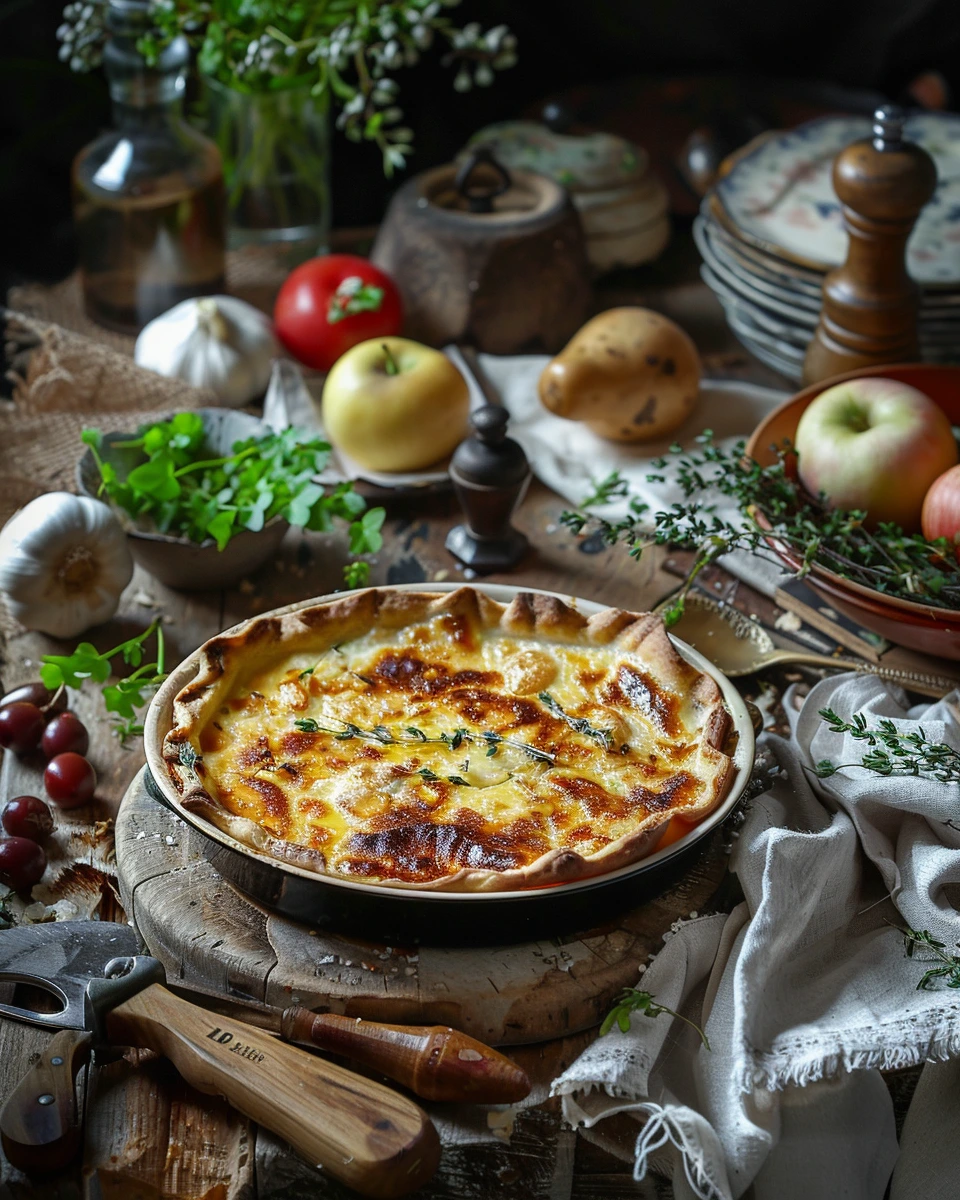
Gratin dauphinois comes from the former Dauphiné region of south-eastern France. The traditional dish relies on potatoes, milk or cream and garlic; cheese is common in adaptations but is not required for the classic identity. It is famous for its soft, layered interior and deeply browned top. Potato starch naturally thickens the cream, producing a luxurious texture without flour, while careful slicing lets the gratin cut into neat portions. The gratin is a staple accompaniment for roast meat and celebratory meals, but its ingredients remain modest. It demonstrates the French ability to turn potatoes and dairy into a dish of great refinement through controlled baking.
Historical background
Gratin dauphinois comes from the former Dauphiné region of south-eastern France. The traditional dish relies on potatoes, milk or cream and garlic; cheese is common in adaptations but is not required for the classic identity.
Why it is famous
It is famous for its soft, layered interior and deeply browned top. Potato starch naturally thickens the cream, producing a luxurious texture without flour, while careful slicing lets the gratin cut into neat portions.
Cultural significance
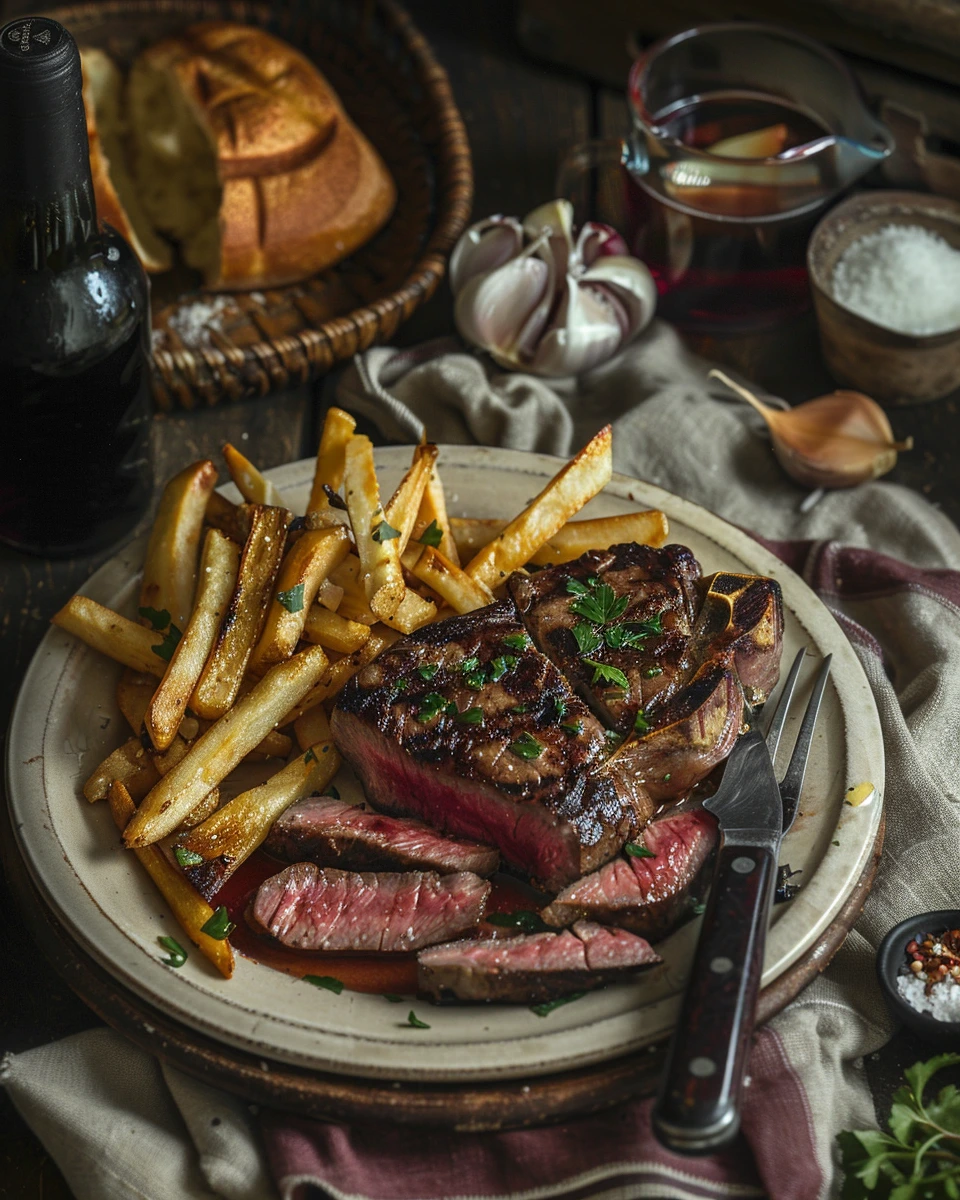
The gratin is a staple accompaniment for roast meat and celebratory meals, but its ingredients remain modest. It demonstrates the French ability to turn potatoes and dairy into a dish of great refinement through controlled baking.