Cuban Tres Leches Cake: the story on the plate
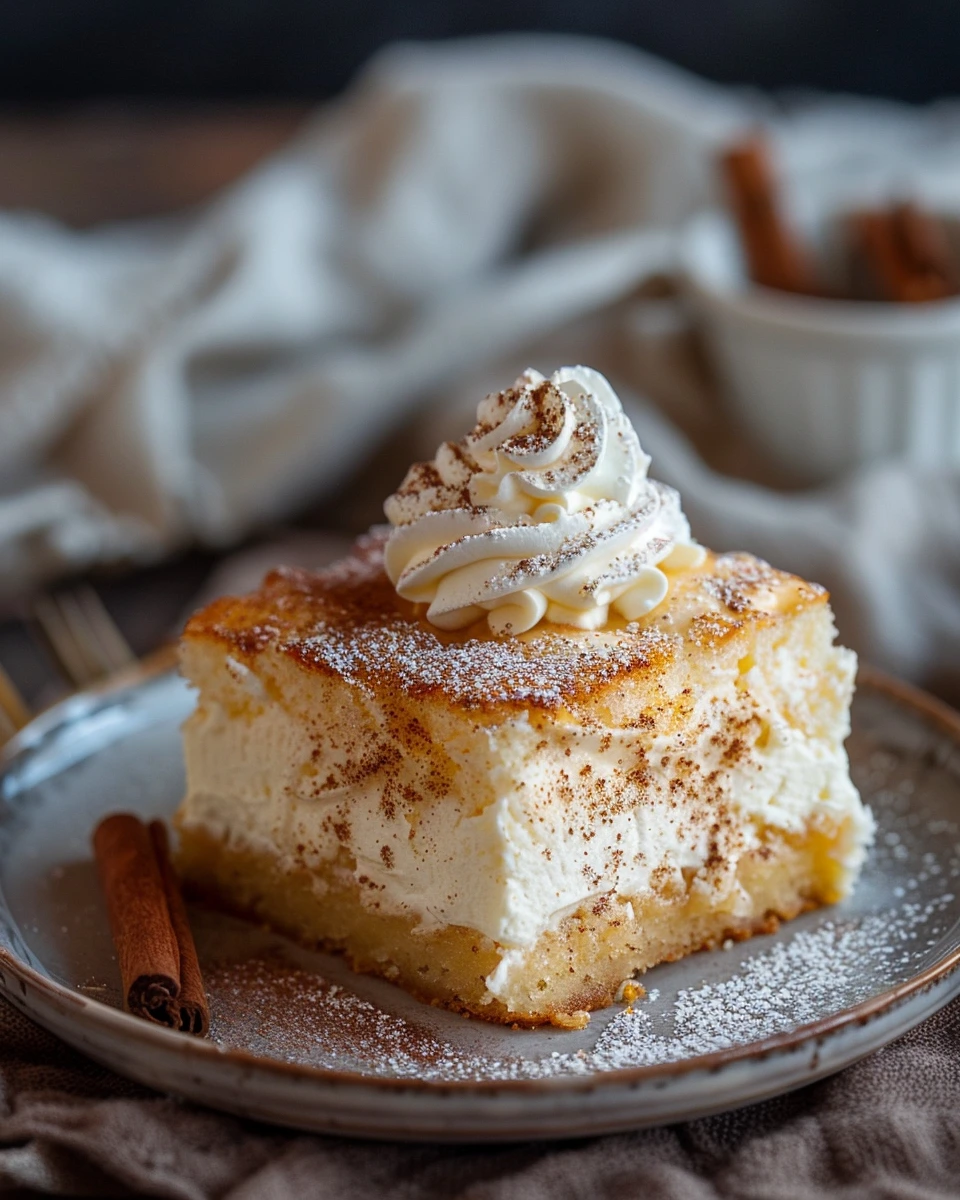
Tres leches is shared across Latin America, with no single origin universally accepted. In Cuba it became a popular celebration cake through the widespread availability of canned evaporated and condensed milk and the appeal of desserts that can be prepared ahead. The defining quality is saturation without collapse: the sponge absorbs a generous milk mixture yet retains enough structure to cut. Its sweetness is balanced by a light topping and often cinnamon or fruit. The cake appears at birthdays, family parties and restaurant dessert counters. Its chilled, generous character suits warm-weather celebrations and large gatherings.
Historical background
Tres leches is shared across Latin America, with no single origin universally accepted. In Cuba it became a popular celebration cake through the widespread availability of canned evaporated and condensed milk and the appeal of desserts that can be prepared ahead.
Why it is famous
The defining quality is saturation without collapse: the sponge absorbs a generous milk mixture yet retains enough structure to cut. Its sweetness is balanced by a light topping and often cinnamon or fruit.
Cultural significance
The cake appears at birthdays, family parties and restaurant dessert counters. Its chilled, generous character suits warm-weather celebrations and large gatherings.