Cassata Siciliana: the story on the plate
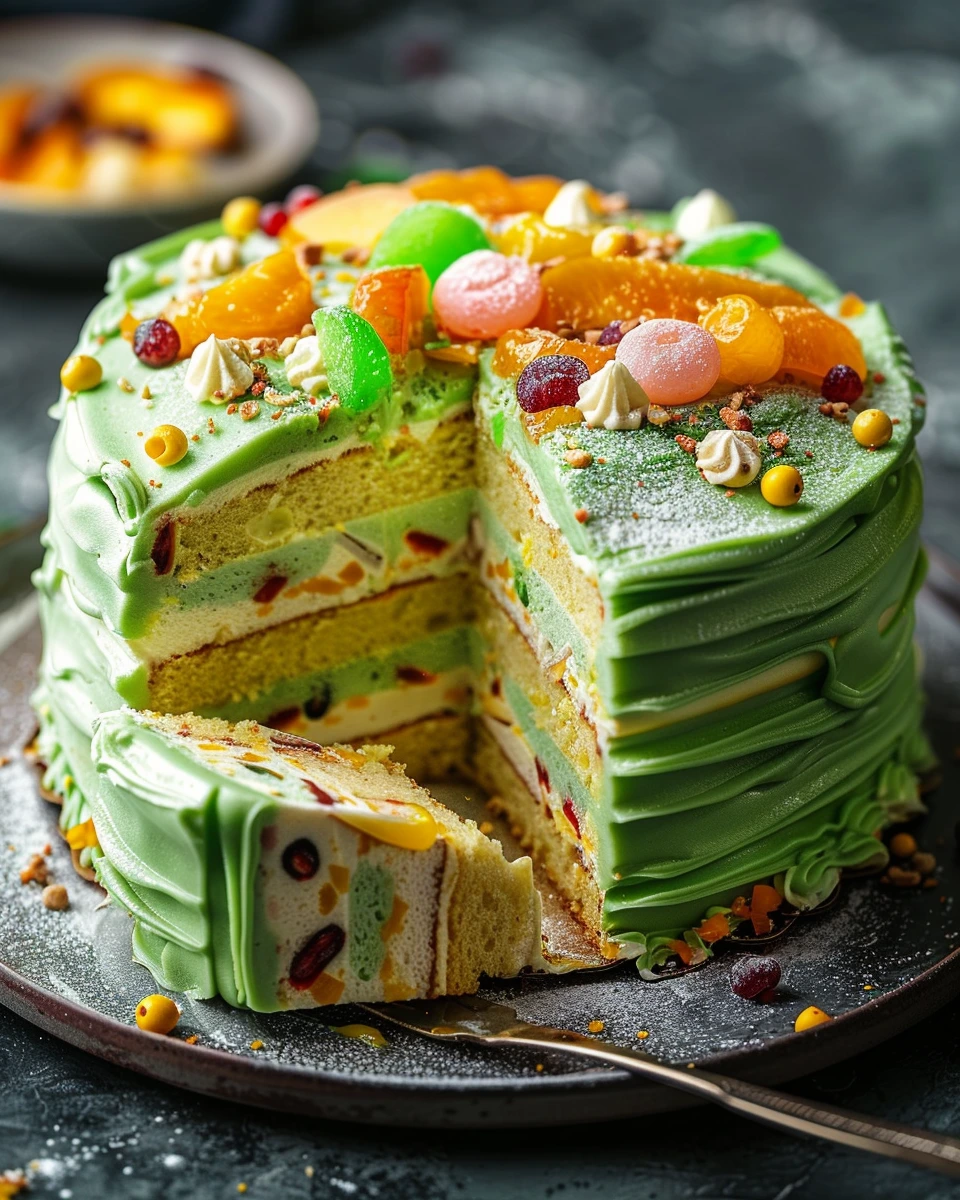
Cassata Siciliana is rooted in Sicily, especially Palermo. Cassata siciliana is an elaborate Sicilian cake built from sponge, sweetened ricotta, marzipan, icing and candied fruit. Its development reflects Sicily's layered culinary history, with ingredients and techniques shaped by Arab, Norman and later confectionery traditions. It is famous for visual extravagance as much as flavour. Bright marzipan, glossy icing and jewel-like candied fruits surround a ricotta filling, making cassata unmistakably celebratory. Cassata is strongly associated with Sicilian feast days and Easter, although it is now available more widely. It represents the island's tradition of ornate pastry-making and its historic enthusiasm for ricotta, citrus, nuts and candied fruit.
Historical background
Cassata siciliana is an elaborate Sicilian cake built from sponge, sweetened ricotta, marzipan, icing and candied fruit. Its development reflects Sicily's layered culinary history, with ingredients and techniques shaped by Arab, Norman and later confectionery traditions.
Why it is famous
It is famous for visual extravagance as much as flavour. Bright marzipan, glossy icing and jewel-like candied fruits surround a ricotta filling, making cassata unmistakably celebratory.
Cultural significance
Cassata is strongly associated with Sicilian feast days and Easter, although it is now available more widely. It represents the island's tradition of ornate pastry-making and its historic enthusiasm for ricotta, citrus, nuts and candied fruit.