Italian Main

Cacciucco

It is famous for intensity and variety: different seafood contributes layers of flavour and texture to one pot.

30 minsPrep time
1 hrCook time
Serves 2Servings
HardDifficulty
Cacciucco
About this dish

Cacciucco: the story on the plate

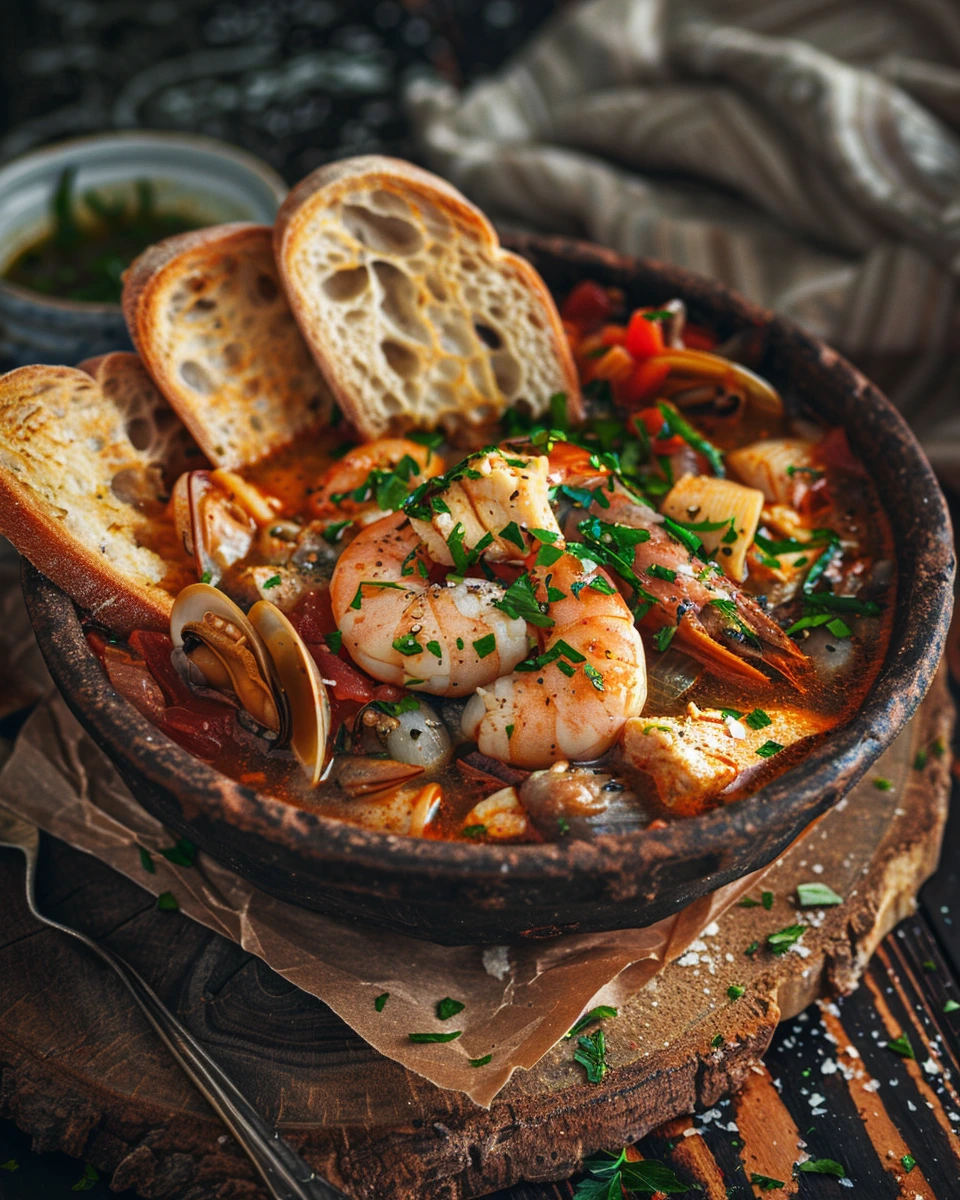
Cacciucco is rooted in Livorno, Tuscany. Cacciucco is a robust fish stew associated above all with the Tuscan port of Livorno. It developed as a practical way to cook a mixed catch, traditionally combining several kinds of fish and shellfish in a tomato-rich broth served with toasted, garlic-rubbed bread. It is famous for intensity and variety: different seafood contributes layers of flavour and texture to one pot. The broth should taste deeply maritime and savoury, while the bread turns the liquid into part of the meal rather than an accompaniment. Cacciucco is a culinary symbol of Livorno and its working-port history. Its flexible use of available catch reflects the realities of fishing communities, where value came from combining what was fresh rather than insisting on a luxury species.
Historical background

Cacciucco is a robust fish stew associated above all with the Tuscan port of Livorno. It developed as a practical way to cook a mixed catch, traditionally combining several kinds of fish and shellfish in a tomato-rich broth served with toasted, garlic-rubbed bread.

Why it is famous

It is famous for intensity and variety: different seafood contributes layers of flavour and texture to one pot. The broth should taste deeply maritime and savoury, while the bread turns the liquid into part of the meal rather than an accompaniment.

Cultural significance

Cacciucco is a culinary symbol of Livorno and its working-port history. Its flexible use of available catch reflects the realities of fishing communities, where value came from combining what was fresh rather than insisting on a luxury species.
Nutrition

Estimated nutrition per serving

These figures are estimates per serving. Actual nutrition can vary with the brands and exact amounts you use, how much oil, dressing or sauce is absorbed, any substitutions or added extras, and the portion size served.

A practical guide for comparing recipes and planning meals.

480Calories
42gProtein
22gCarbs
23gFat
Ingredients

What you need

  • 0.4 mixed firm fish and seafood
  • 100 squid, sliced
  • 100 mussels, cleaned
  • 100 prawns
  • 166.67 tomato passata
  • 50 red wine
  • 1 garlic cloves
  • 0.33 small chilli
  • 1.33 olive oil
  • 2 slices bread, slices toasted bread
  • 0.33 salt
Method

Step-by-step method

Follow the recipe in order, tasting and adjusting seasoning where needed.

  1. 1. Prepare ingredients: Measure all ingredients for Cacciucco; trim, slice, grate or rinse as listed before heating the pan.
  2. 2. Start the base: Cook the aromatics, main fat or first ingredient over controlled heat so the flavour base develops without scorching.
  3. 3. Cook the main element: Add the principal ingredient and cook according to its texture: pasta until al dente, meat until tender, rice until creamy, or vegetables until soft but defined.
  4. 4. Build the sauce or finish: Use stock, wine, tomato, cheese, pasta water or cooking juices to create a coating sauce rather than a watery pool.
  5. 5. Rest or bake if needed: Let the dish settle briefly, or bake until bubbling and set where the recipe is layered or braised.
  6. 6. Serve traditionally: Serve Cacciucco warm with simple garnishes and sides that match its region.
Cook smarter

Tips, storage and serving advice

Shopping tips

Buy the best version of the core ingredient first; avoid over-spending on decoration if the cheese, seafood, meat, rice, pasta, olive oil or fruit is weak.

Ingredient quality

Use real regional cheeses where named, good olive oil, properly salted water and fresh herbs. Drain wet dairy and seafood carefully before cooking.

Common mistakes

For Cacciucco, the main mistakes are losing control of the balance between mixed firm fish and seafood, squid, mussels, prawns; rushing the "Prepare ingredients" stage before the flavour or texture has properly developed; and using heat or cooking time mechanically instead of watching the food itself. Use the recipe's visual cue as your guide: Everything should be ready before cooking starts. With Cacciucco, taste and observe as you cook rather than relying on the clock alone; the goal is a result that still tastes recognisably Italian and preserves the texture that makes this recipe distinctive.

Chef’s tips

For the best Cacciucco, organise mixed firm fish and seafood, squid, mussels, prawns before you start so the cooking itself can stay controlled. Give particular attention to the "Prepare ingredients" stage: this is where the recipe begins to establish its final flavour and texture. A useful technique note from the method is: Keep grated cheese, herbs and pasta water within reach. Trust the visual cue — Everything should be ready before cooking starts. — more than an exact minute count. At the "Serve traditionally" stage, make the final seasoning adjustment and serve without unnecessary delay. That final check is what makes Cacciucco taste deliberate rather than simply cooked.

How to know it is cooked

Use the visual cues in the method: tender but not collapsing, glossy not watery, crisp not burnt, set not rubbery, or al dente not soft.

Plating advice

Plate Cacciucco so the dish reads clearly at first glance. Build the plate around the principal serving rather than scattering everything evenly; keep mixed firm fish and seafood, squid, mussels visually connected so the diner can understand the dish before taking the first bite. The presentation should protect the intended texture — clear textures with a traditional Italian balance — so avoid covering crisp elements with sauce too early or compressing delicate components. For the finish, draw selectively from the existing garnish guidance: Use parsley, basil, lemon, cocoa, icing sugar, cheese or olive oil only where traditional for the dish. Use one or two elements with purpose rather than applying every option at once. For Cacciucco, the final plate should feel consistent with its Italian identity: confident, appetising and easy to eat, with no decoration that competes with the food itself.

Make ahead

Prepare components ahead where possible, but finish pasta, fried items, seafood and crisp pastry close to serving.

Storage and reheating

Store covered in the fridge for up to 2 days where suitable. Fried and fresh seafood dishes are best eaten the same day. Reheat gently only where appropriate. Pasta, seafood, liver, cream-set desserts and filled pastry are usually best freshly served.

Wine pairing

What to drink with Cacciucco

These are wine-style pairings, so you can choose any bottle in that style rather than needing one exact producer. Look for the grape, region or style name on the label.

Pairings are chosen around the dish’s flavour, texture, richness, acidity and cooking style, not just the country it comes from.

Vermentino wine pairing
#1 Excellent match White

Vermentino

Why it works:

Vermentino is an excellent partner for Cacciucco: aromatic fruit and freshness soften the perception of chilli and spice, while restrained tannin avoids making heat feel harsher.

Mediterranean white with citrus, pear, almond, herbs and a lightly salty finish. Great with olive oil, tomatoes, seafood and Italian starters.

GrapeVermentino, Rolle
RegionSardinia, Liguria, Tuscany, Provence
Wine flavourlemon, pear, almond, herbs, sea salt
Serve at8-10°C
  • Flavour bridge: aromatic fruit connects with spice while a cool, fresh finish resets the palate
  • Acidity: High freshness cuts through oil and rich spice pastes
  • Body: Enough flavour intensity for spice without excessive weight
  • Tannin: Low tannin avoids exaggerating bitterness and heat
  • Sweetness: A dry-to-off-dry profile can cushion chilli heat
  • Best for: Dinner, entertaining or recipe pairing
View wine guide
Off-Dry Riesling wine pairing
#2 Great match White

Off-Dry Riesling

Why it works:

Off-Dry Riesling offers a compelling alternative for Cacciucco: aromatic fruit and freshness soften the perception of chilli and spice, while restrained tannin avoids making heat feel harsher.

Slightly sweet, high-acid Riesling that balances spice, salt, smoked pork and sweet-sour sauces without tasting heavy.

GrapeRiesling
RegionMosel, Pfalz, Alsace, Austria
Wine flavourlime, peach, apricot, honey, slate
Serve at7-9°C
  • Flavour bridge: aromatic fruit connects with spice while a cool, fresh finish resets the palate
  • Acidity: High freshness cuts through oil and rich spice pastes
  • Body: Enough flavour intensity for spice without excessive weight
  • Tannin: Low tannin avoids exaggerating bitterness and heat
  • Sweetness: A dry-to-off-dry profile can cushion chilli heat
  • Best for: Dinner, entertaining or recipe pairing
View wine guide
Gewürztraminer wine pairing
#3 Interesting match White

Gewürztraminer

Why it works:

For a more adventurous pairing, gewürztraminer is an excellent partner for Cacciucco: aromatic fruit and freshness soften the perception of chilli and spice, while restrained tannin avoids making heat feel harsher.

Highly aromatic white with lychee, rose, ginger and spice. Works with fragrant dishes, rich cheese and lightly sweet desserts.

GrapeGewürztraminer
RegionAlsace, Alto Adige, Germany
Wine flavourlychee, rose, ginger, peach, spice
Serve at8-10°C
  • Flavour bridge: aromatic fruit connects with spice while a cool, fresh finish resets the palate
  • Acidity: High freshness cuts through oil and rich spice pastes
  • Body: Enough flavour intensity for spice without excessive weight
  • Tannin: Low tannin avoids exaggerating bitterness and heat
  • Sweetness: A dry-to-off-dry profile can cushion chilli heat
  • Best for: Dinner, entertaining or recipe pairing
View wine guide
Bottle suggestions

Specific wines to try

These are named bottles or regional wine examples already linked to this recipe. Each card opens the relevant wine-style guide because individual bottle pages are not currently published.