Buffalo Wings: the story on the plate
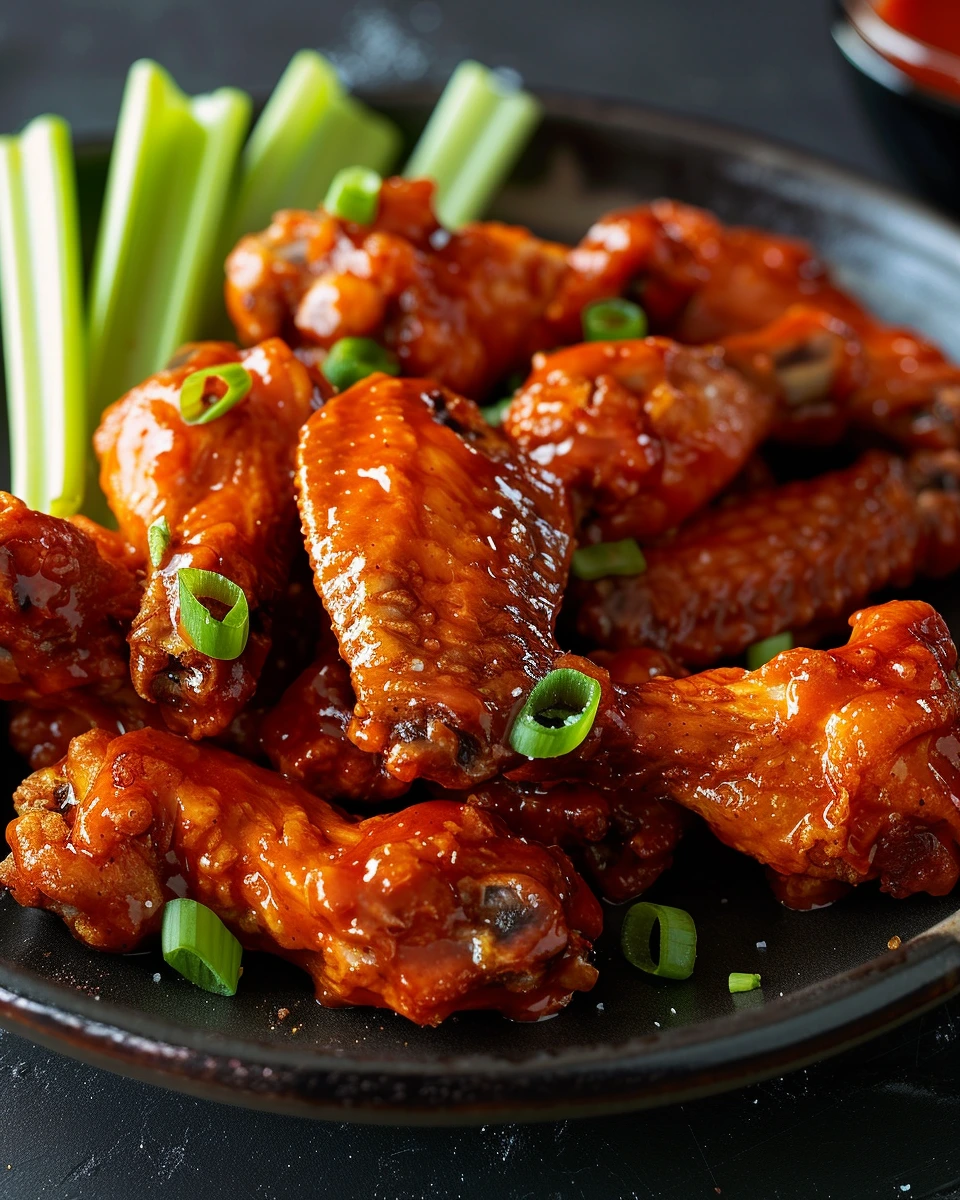
Buffalo wings are widely associated with the Anchor Bar in Buffalo, New York, where Teressa Bellissimo is credited with serving fried chicken wings coated in hot sauce and butter in 1964. Chicken wings had long been eaten in other American traditions, but this preparation turned a low-cost cut into a nationally recognised bar food. The defining feature is the balance between chilli heat, vinegar and butter. Proper wings should have crisp skin beneath the sauce rather than a soft, heavily breaded coating. Celery sticks and a cool blue cheese dressing provide contrast to the hot, salty glaze. Buffalo wings became part of American sports-bar culture and are strongly associated with game days, especially the Super Bowl. In Buffalo, sauce heat levels and the use of blue cheese rather than ranch are taken seriously. They are designed for informal sharing and eating by hand.
Historical background
Buffalo wings are widely associated with the Anchor Bar in Buffalo, New York, where Teressa Bellissimo is credited with serving fried chicken wings coated in hot sauce and butter in 1964. Chicken wings had long been eaten in other American traditions, but this preparation turned a low-cost cut into a nationally recognised bar food.
Why it is famous
The defining feature is the balance between chilli heat, vinegar and butter. Proper wings should have crisp skin beneath the sauce rather than a soft, heavily breaded coating. Celery sticks and a cool blue cheese dressing provide contrast to the hot, salty glaze.
Cultural significance
Buffalo wings became part of American sports-bar culture and are strongly associated with game days, especially the Super Bowl. In Buffalo, sauce heat levels and the use of blue cheese rather than ranch are taken seriously. They are designed for informal sharing and eating by hand.