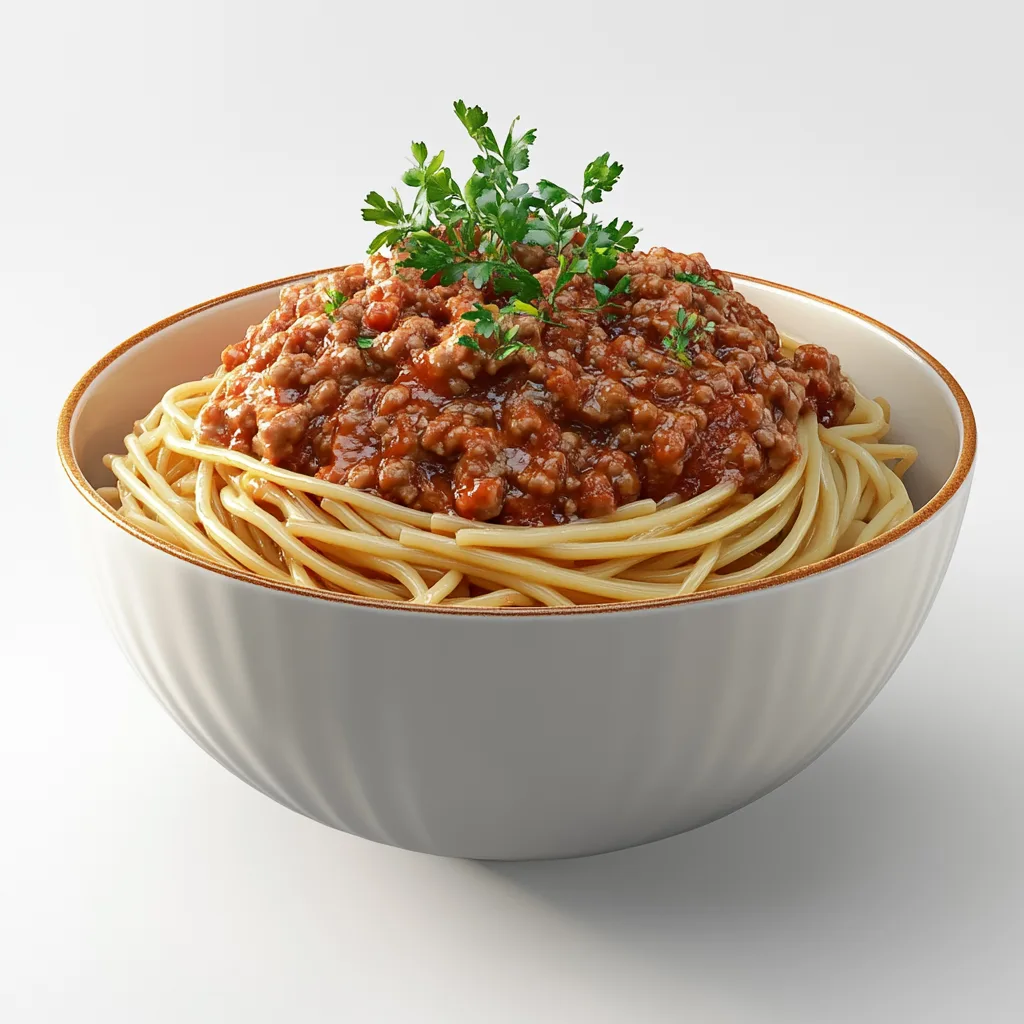
Bolognese: the story on the plate
Bolognese is rooted in Bologna and Emilia-Romagna. Ragù alla bolognese belongs to the meat-sauce traditions of Bologna and Emilia-Romagna. Recipes evolved over time, but the defining approach is a slowly cooked ragù built from meat, aromatic vegetables and modest amounts of tomato rather than the heavily tomato-based sauce often served internationally as 'spaghetti Bolognese'. It is famous for depth created through patient cooking: browned meat, soffritto and gentle simmering produce a sauce that clings to pasta instead of sitting on top of it. In Bologna it is classically associated with tagliatelle and is also fundamental to lasagne alla bolognese. The dish represents the rich culinary identity of Emilia-Romagna, a region celebrated for fresh egg pasta, cured meats and long-cooked sauces. Serving ragù with the right pasta shape is part of the cultural story, because broad ribbons hold the sauce far better than thin spaghetti.
Historical background
Ragù alla bolognese belongs to the meat-sauce traditions of Bologna and Emilia-Romagna. Recipes evolved over time, but the defining approach is a slowly cooked ragù built from meat, aromatic vegetables and modest amounts of tomato rather than the heavily tomato-based sauce often served internationally as 'spaghetti Bolognese'.
Why it is famous
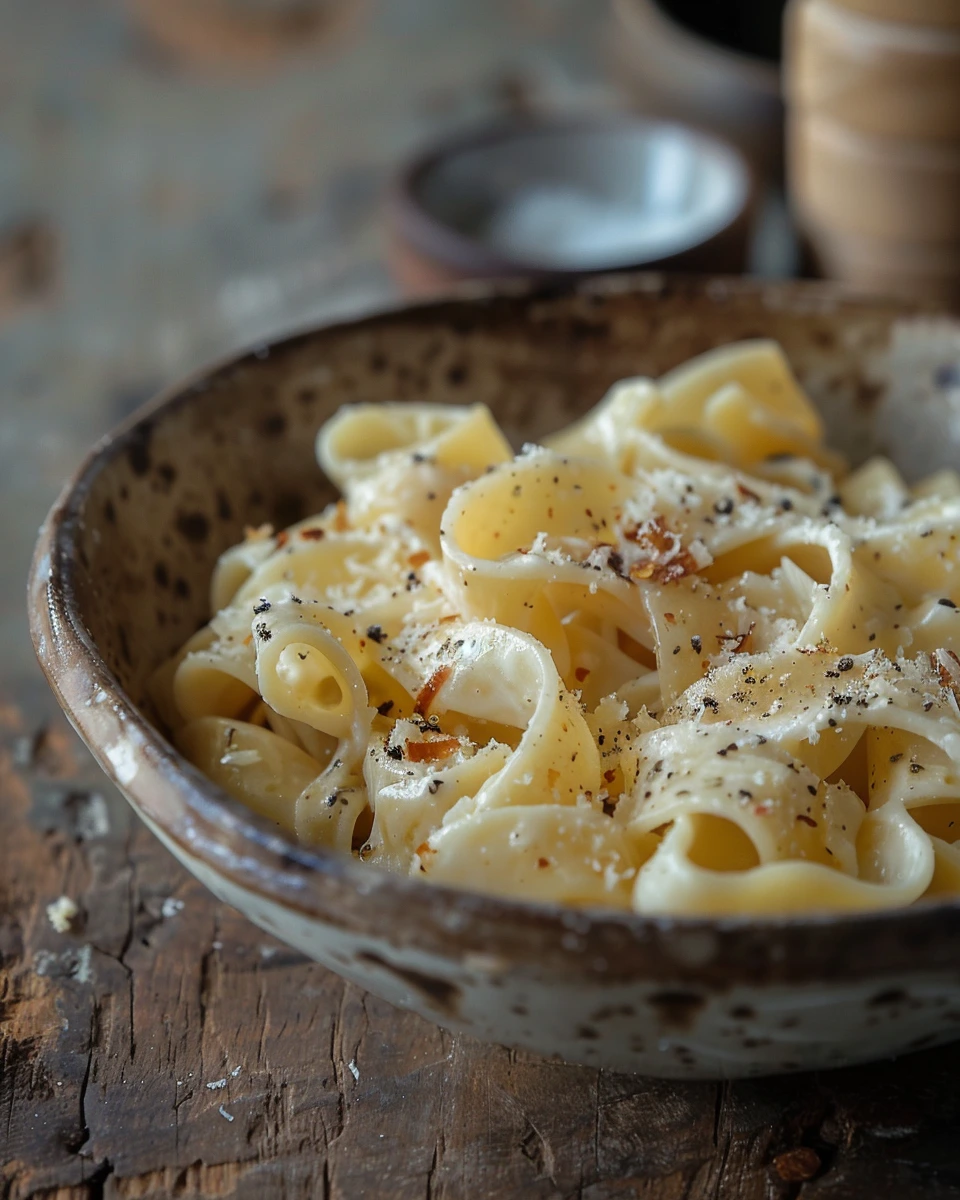
It is famous for depth created through patient cooking: browned meat, soffritto and gentle simmering produce a sauce that clings to pasta instead of sitting on top of it. In Bologna it is classically associated with tagliatelle and is also fundamental to lasagne alla bolognese.
Cultural significance
The dish represents the rich culinary identity of Emilia-Romagna, a region celebrated for fresh egg pasta, cured meats and long-cooked sauces. Serving ragù with the right pasta shape is part of the cultural story, because broad ribbons hold the sauce far better than thin spaghetti.