Indian Main

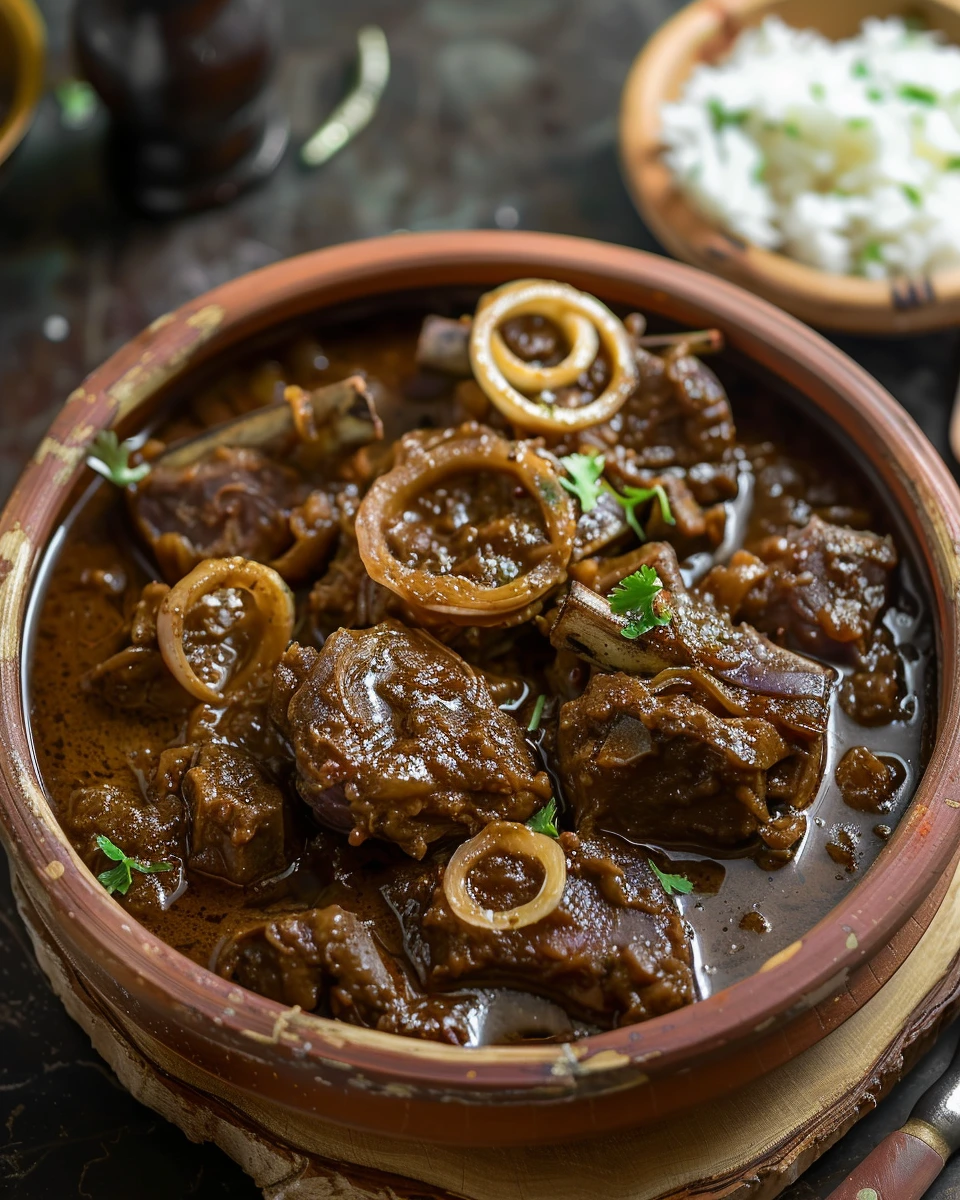
Bengali Kosha Mangsho

Dark slow-cooked Bengali mutton curry with mustard oil, yoghurt, garam masala and caramelised onions.

1 hrPrep time
2 hr 30 minsCook time
Serves 2Servings
HardDifficulty
Bengali Kosha Mangsho
About this dish

Bengali Kosha Mangsho: the story on the plate

Kosha mangsho is all about bhuna cooking: slow frying, reducing and coating until the sauce becomes dark, clingy and intense. It is festive, patient and deeply Bengali.

Historical background

Kosha mangsho is a Bengali festive mutton dish, especially associated with Sunday lunches and celebrations.

Why it is famous

It is famous for its dark colour, patience and rich reduced masala.

Cultural significance

It is served with luchi, pulao or rice and often marks a special family meal.

Nutrition

Estimated nutrition per serving

Useful for meal planning and calorie-aware recipe browsing.

700Calories
43gProtein
16gCarbs
52gFat

Estimated from recipe quantities and typical ingredients; review before publishing formal nutritional claims.

Ingredients

What you need

  • 450 mutton, bone-in
  • 75 yoghurt
  • 1.5 mustard oil
  • 1.5 onions, sliced
  • 0.5 ginger paste
  • 0.5 garlic paste
  • 1 Kashmiri chilli
  • 0.5 cumin powder
  • 0.5 coriander powder
  • 0.25 turmeric
  • 0.5 Bengali garam masala
  • 0.5 sugar
  • salt
Method

Step-by-step method

Follow the recipe in order, tasting and adjusting seasoning where needed.

  1. Cut and organise: Cut meat, paneer or vegetables into even pieces; slice onions thinly and chop tomatoes small so the masala cooks smoothly.
  2. Bloom the spices: Heat ghee or oil over medium heat, then cook whole spices and aromatics until fragrant before adding ground spices.
  3. Cook the masala properly: Cook onions, ginger-garlic, tomatoes and spices until the oil begins to separate and the raw smell has gone.
  4. Simmer gently: Add the main ingredient and simmer at 90–95°C / 195–203°F until tender, adding water or stock gradually.
  5. Finish with balance: Finish with garam masala, herbs, cream, coconut, kasuri methi, lemon or tamarind depending on the dish.
Cook smarter

Tips, storage and serving advice

Shopping tips

Buy fresh spices in small quantities, use proper basmati rice where named, choose fresh curry leaves when possible, and buy meat, fish or paneer from a reliable source.

Ingredient quality

Toast whole spices where the recipe asks for it, use fresh ginger and garlic, and avoid tired pre-ground masalas for dishes where roasted spice is the signature.

Common mistakes

Common mistakes are rushing onion browning, adding too much water, using stale spices, boiling dairy or coconut milk too hard, or treating every Indian dish like a generic curry.

Chef’s tips

Do not rush with lots of water; the dark flavour comes from slow reduction.

How to know it is cooked

Look for the texture named in the method: crisp pastry, tender meat, separate rice grains, soft dal, glossy reduced masala, just-cooked fish or syrup-soaked sweets.

Plating advice

Serve in the regional spirit of the dish: rice with curries, chutneys with snacks, breads with dry masalas, and sweets simply so their texture is visible.

Make ahead

Masalas, chutneys, batters, braises and many sweets can be prepared ahead. Fried snacks, crisp dosas, fish and fresh breads are best finished close to serving.

Storage and reheating

Store covered in the fridge for up to 2 days where suitable. Cool rice, meat, dairy and seafood quickly. Reheat curries and dals gently with a splash of water. Re-crisp fried snacks in an oven or air fryer. Avoid harsh reheating for fish and milk sweets.