Apfelstrudel: the story on the plate
Strudel developed in the Habsburg lands, influenced by earlier stretched-dough pastries from Ottoman cooking, and became firmly established across southern Germany. German bakeries and homes adopted it as a favourite apple dessert. The defining skill is stretching dough almost transparent, then rolling it around a filling that remains juicy without making the pastry soggy. Breadcrumbs absorb apple juices and add nuttiness. It is served warm with vanilla sauce, cream or ice cream in cafés and at family tables, particularly during the apple season.
Historical background
Strudel developed in the Habsburg lands, influenced by earlier stretched-dough pastries from Ottoman cooking, and became firmly established across southern Germany. German bakeries and homes adopted it as a favourite apple dessert.
Why it is famous
The defining skill is stretching dough almost transparent, then rolling it around a filling that remains juicy without making the pastry soggy. Breadcrumbs absorb apple juices and add nuttiness.
Cultural significance
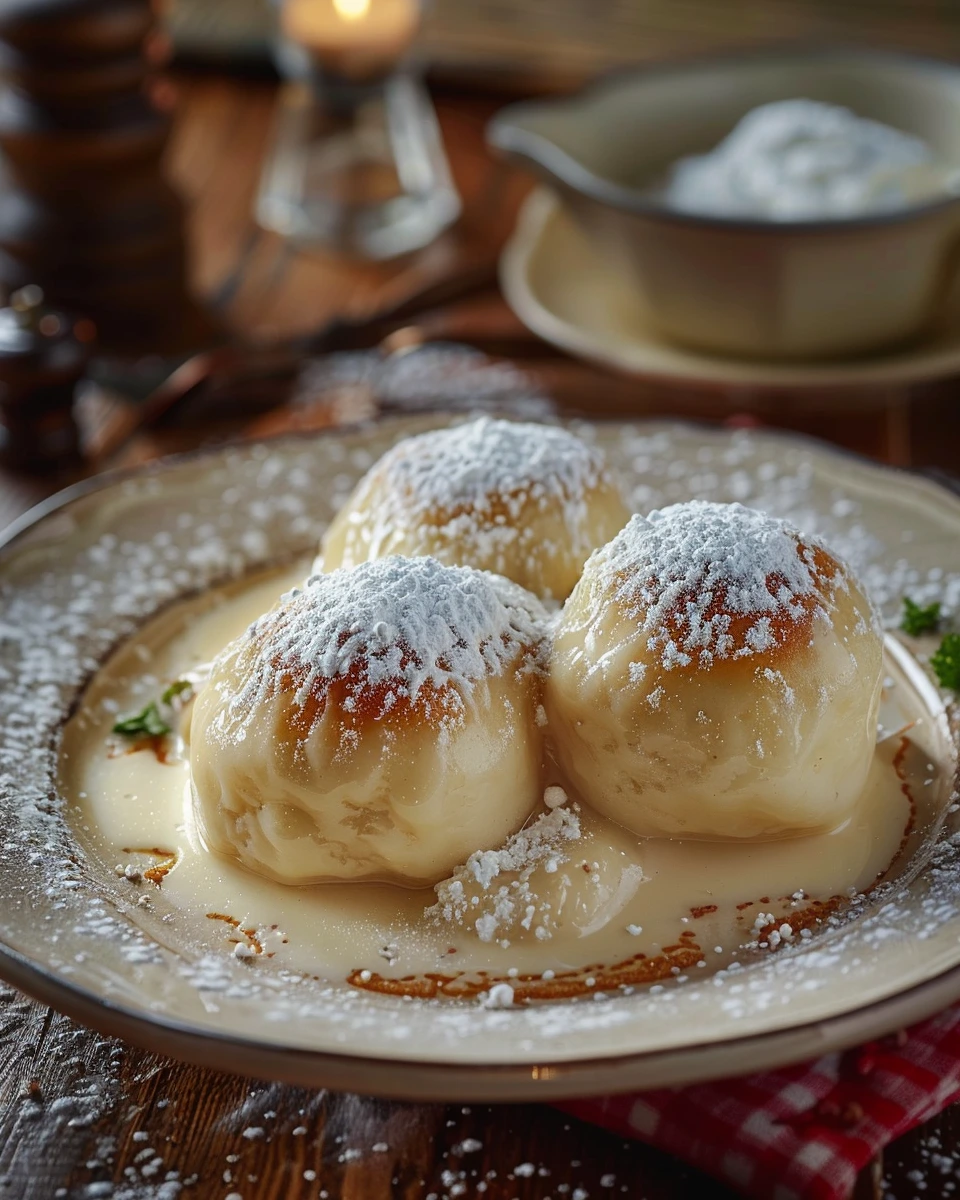
It is served warm with vanilla sauce, cream or ice cream in cafés and at family tables, particularly during the apple season.