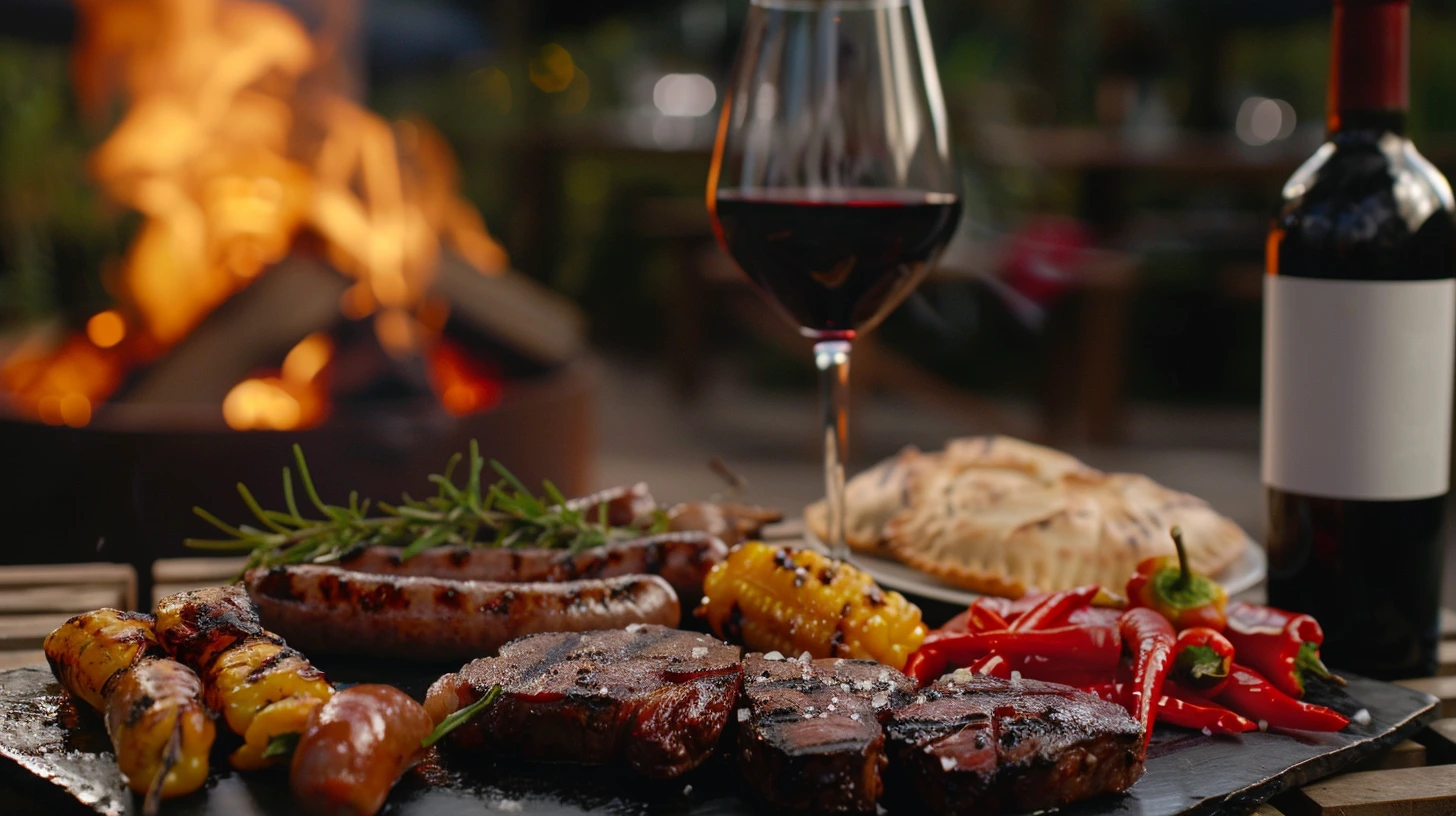
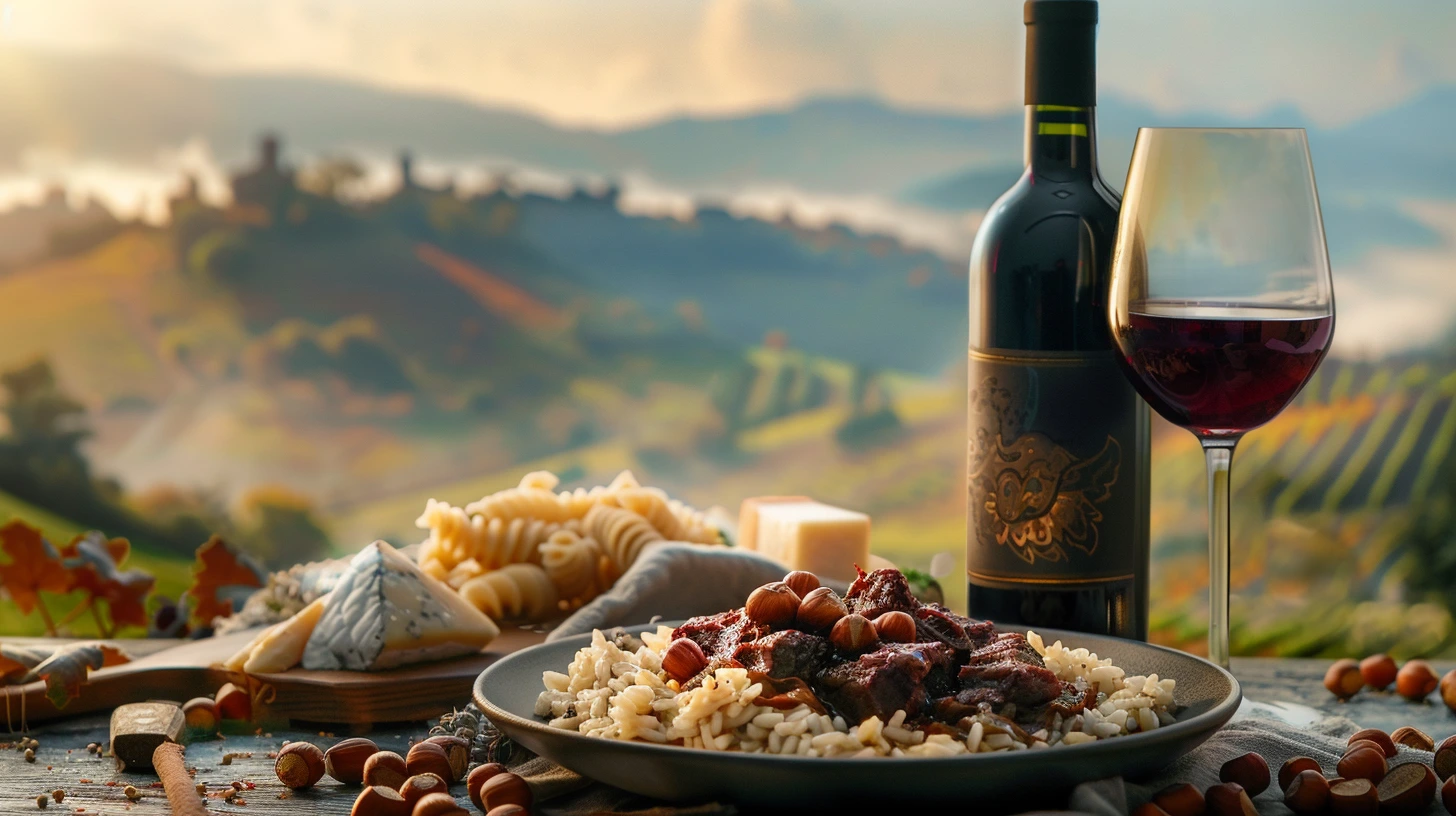
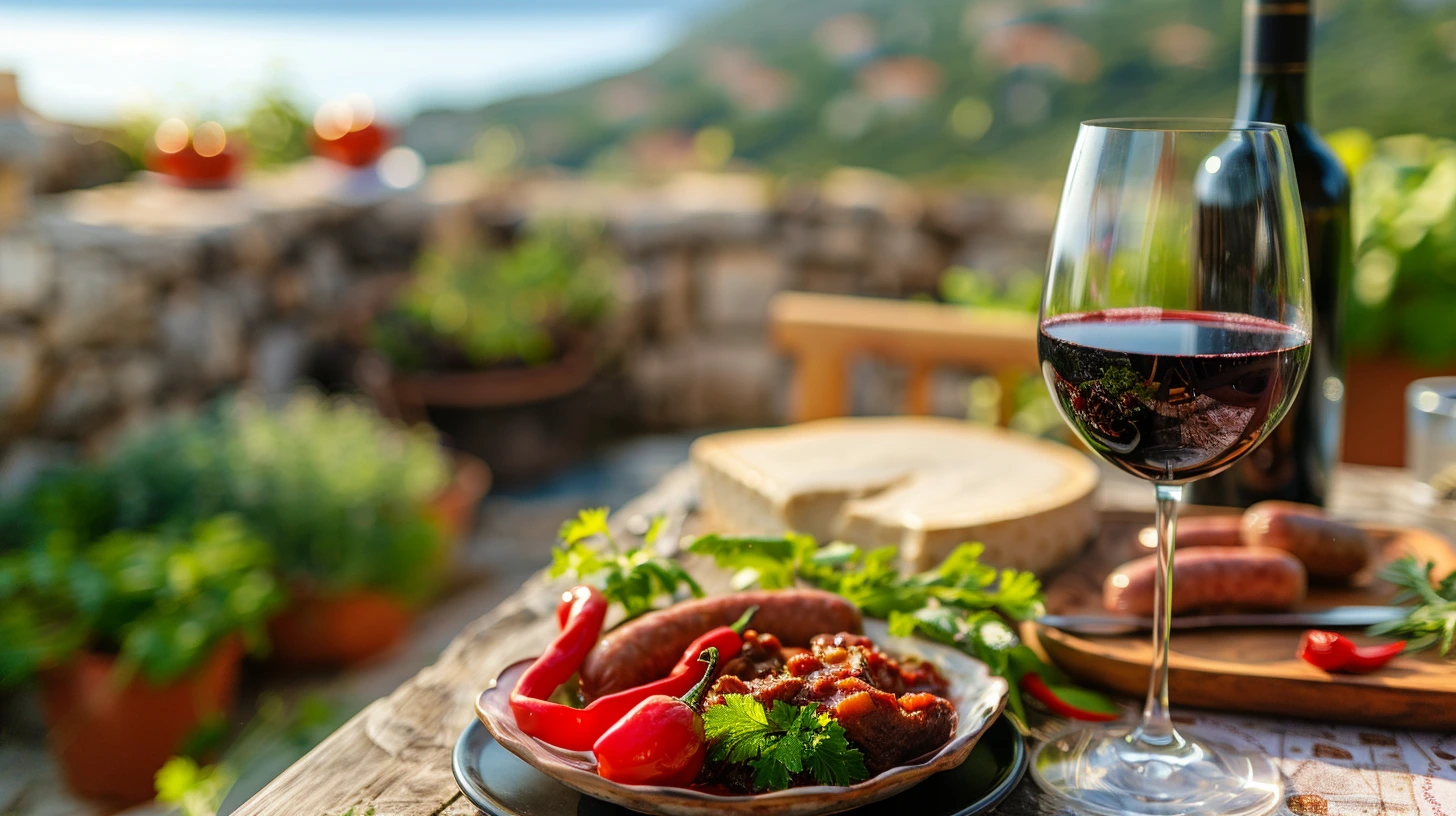
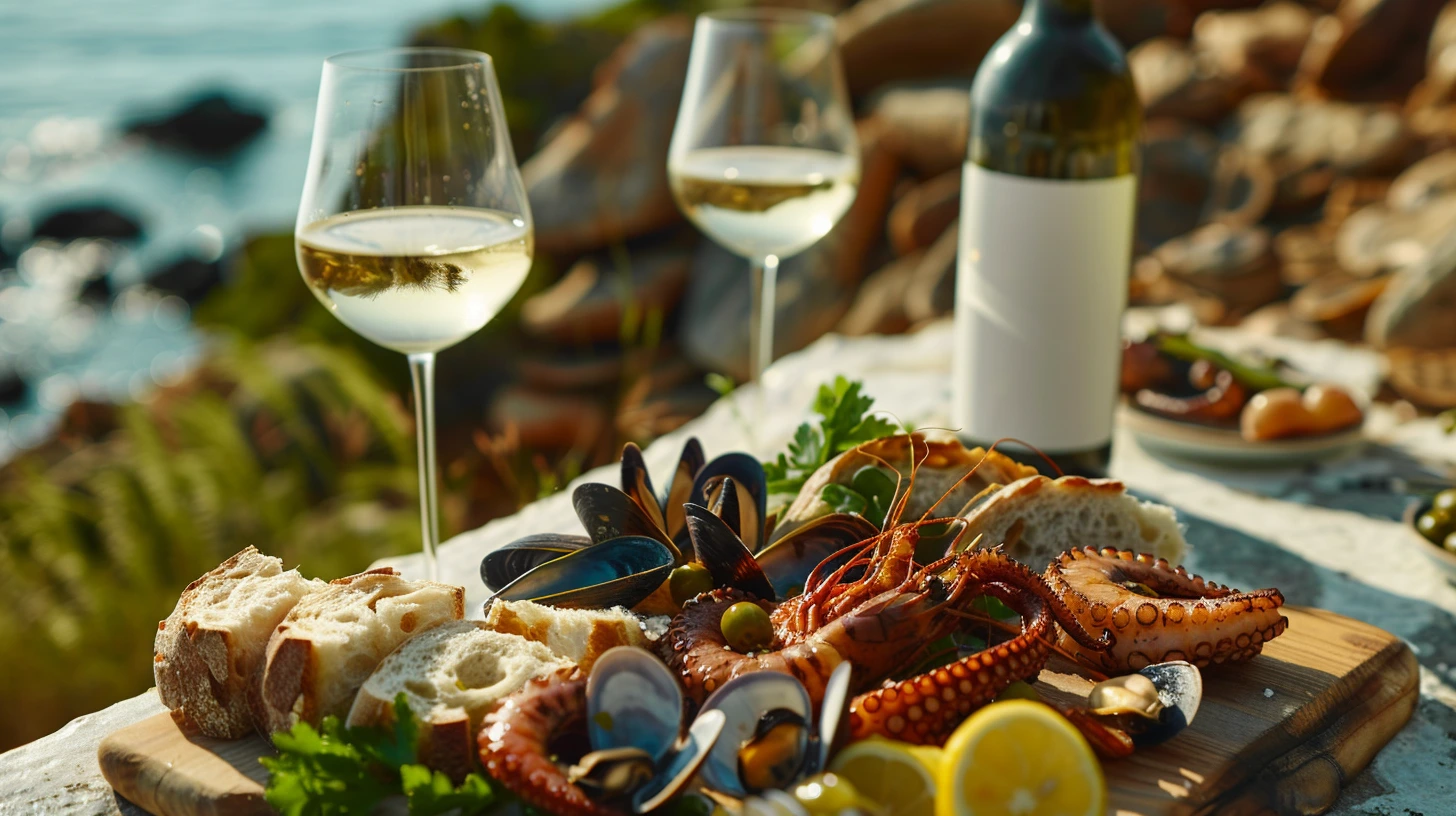
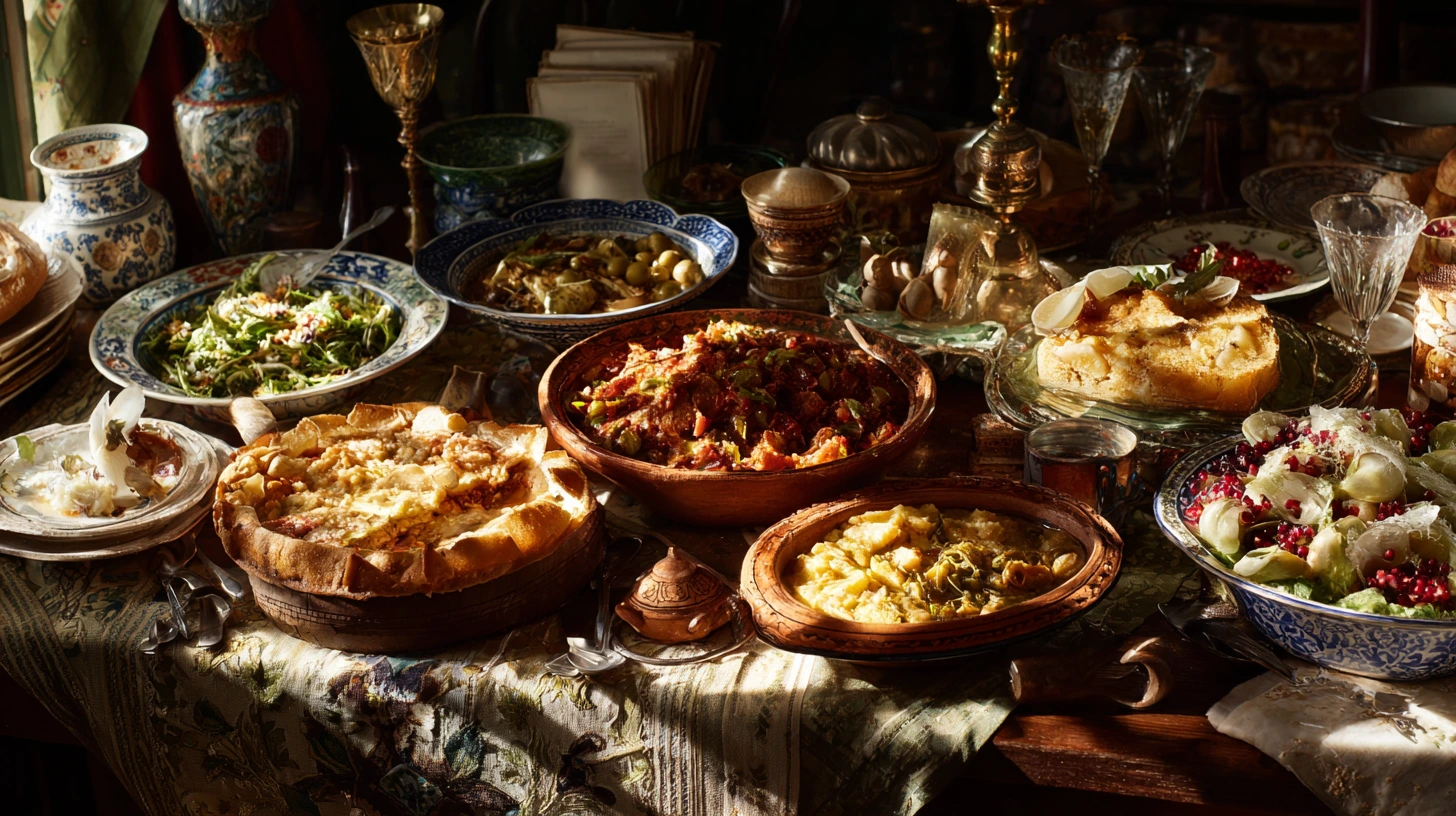
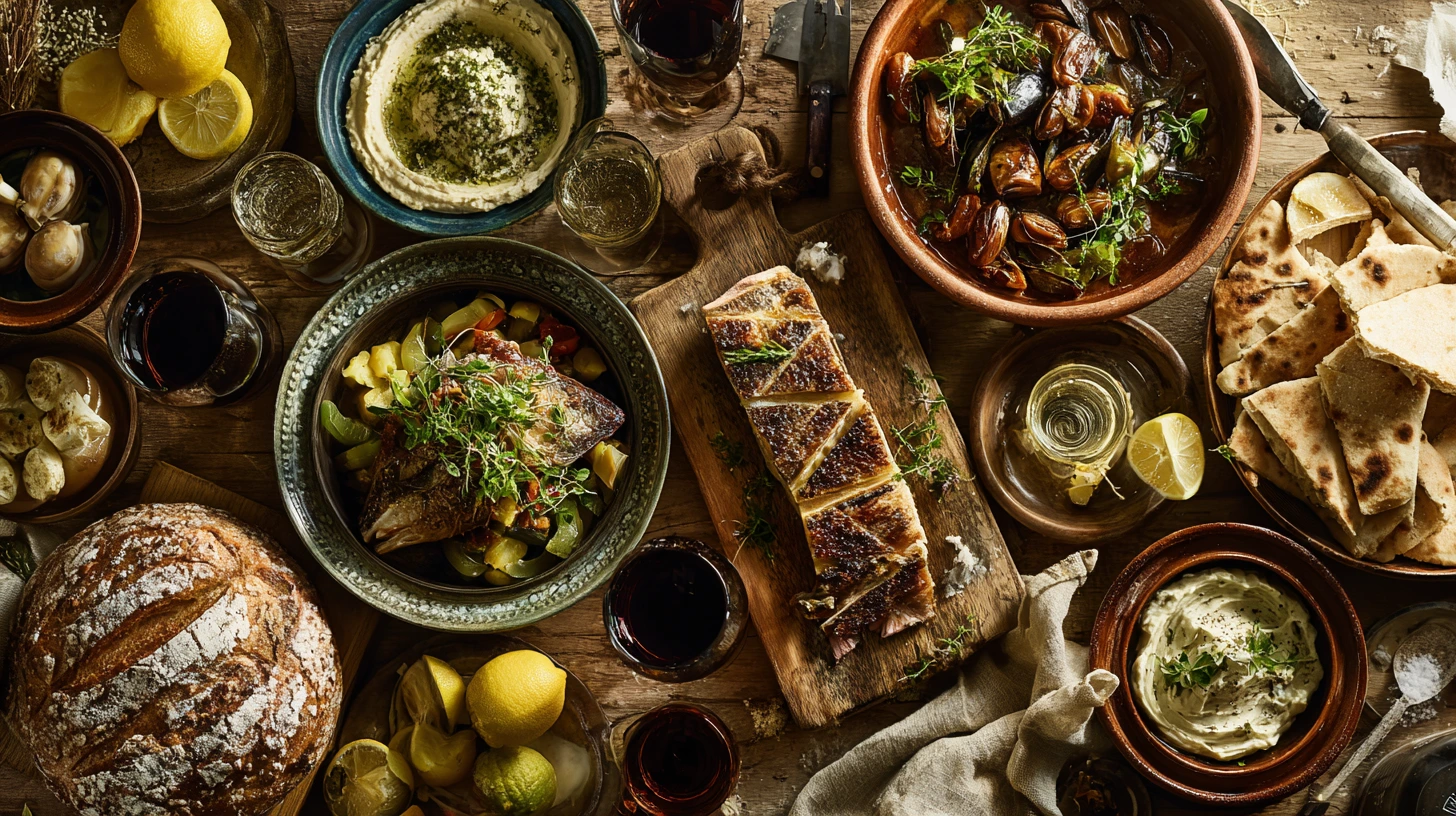
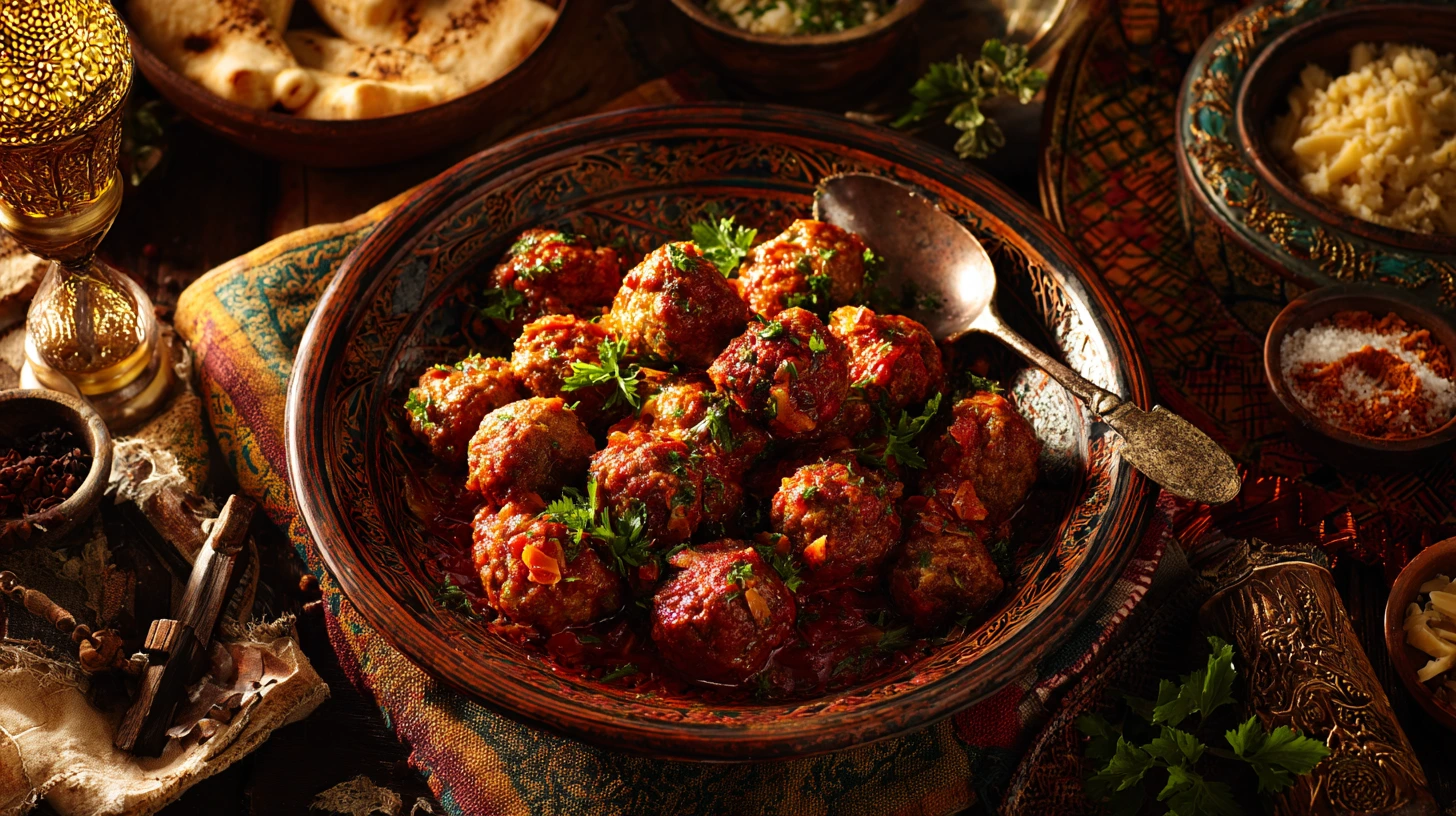
Croatian cuisine changes sharply between the Adriatic coast, Istria, Dalmatia, Slavonia and the mountainous interior. Olive oil, seafood, pasta and herbs dominate many coastal dishes, while inland cooking relies more on pork, paprika, dairy, grains and slow braises.
Croatian cuisine reflects the meeting of Adriatic Mediterranean cooking with central-European and Balkan traditions. Venetian influence is clear on the coast, while Ottoman and Austro-Hungarian legacies become stronger inland.
Why it is famous
People often come to Croatian cuisine through peka, black risotto, grilled fish, pasticada, ćevapi, štrukli and regional cured meats. Stay with it a little longer and a more interesting pattern emerges, where famous dishes sit alongside deeply local cooking and recipes tied to particular landscapes, communities and occasions.
Regional food story
Dalmatia and Istria focus on seafood, olive oil and wine, with Istria also famous for truffles; Slavonia is known for paprika, pork and sausages; Zagreb and the north show stronger Austro-Hungarian influences.
Cook by course
Croatian recipes
Start with a starter, choose a main, then finish with a dessert to build a complete country-inspired menu.
Malvazija or Pošip works with seafood, cheese and truffle pasta; Plavac Mali suits peka, black risotto and grilled meat; Prošek works with custards and festive pastries.
Red
Cabernet Sauvignon / Bordeaux
Structured red with blackcurrant, cedar, graphite and firm tannins. Best with roast beef, lamb, steak, rich gravies and…
Buy seafood and olive oil for coastal recipes, or paprika, pork, sour cream and suitable flour for inland dishes. Istrian truffle products vary widely, so choose those with real truffle content. Dried cod, cured meats and cheeses need correct soaking, slicing or serving rather than heavy seasoning.