South African main

Waterblommetjie Bredie

Waterblommetjie Bredie is a properly South African main: lamb stew with Cape pond flowers, built with clear technique rather than generic filler.

26 minsPrep time
8 hr 50 minsCook time
Serves 4Servings
MediumDifficulty
Waterblommetjie Bredie
About this dish

Waterblommetjie Bredie: the story on the plate

Waterblommetjie Bredie is a traditional South African main built around waterblommetjies, lamb, potato and sorrel-like acidity. Waterblommetjies are edible Cape water flowers. This bredie is important because it is seasonal and regional, strongly tied to the Western Cape landscape. This version gives metric ingredients, specific heat guidance, visual cues, storage advice and pairings.

Historical background

Waterblommetjie Bredie is connected to Western Cape seasonal cooking. Waterblommetjies are edible Cape water flowers. This bredie is important because it is seasonal and regional, strongly tied to the Western Cape landscape.

Why it is famous

It is famous because it gives a specific taste of South Africa through waterblommetjies, lamb, potato and sorrel-like acidity, not just a broad international version of the dish.

Cultural significance

This recipe belongs on the South African page because it shows the country’s mix of fire cooking, maize staples, Cape spice, Durban curry, coastal fish, township food, preserving and generous baking.

Nutrition

Estimated nutrition per serving

Useful for meal planning and calorie-aware recipe browsing.

610Calories
33gProtein
48gCarbs
30gFat

Approximate values for recipe content display; will vary by exact brands, fat level, serving size and accompaniments.

Ingredients

What you need

  • 35 fruit chutney or vinegar, use vinegar for denningvleis
  • 220 onions, sliced
  • 16 garlic cloves, crushed
  • 900 lamb shoulder, cut evenly where relevant
  • 350 chopped tomatoes
  • 650 stock, hot
  • fine sea salt, add gradually
  • 2 black pepper, freshly ground
  • 2 piece bay leaves
  • 220 carrots, cut into chunks
  • 420 potatoes, quartered
Method

Step-by-step method

Follow the recipe in order, tasting and adjusting seasoning where needed.

  1. Prepare the pot: Cut meat and vegetables evenly. Heat a cast-iron pot or heavy casserole with oil over medium heat.
  2. Brown the base: Brown meat in batches, then soften onions and garlic in the same pot. Scrape up the browned bits.
  3. Layer and simmer: Add liquid, bay leaves and vegetables. For potjie, layer vegetables on top and avoid stirring; for bredie, stir gently.
  4. Check tenderness: Cook until meat, tripe, beans or samp are properly tender. Add water or stock in small amounts if drying.
  5. Balance and serve: Taste with pap or rice, then adjust salt, pepper, chutney, vinegar or lemon. Serve hot.
Cook smarter

Tips, storage and serving advice

Shopping tips

Look for proper maize meal, good curry powder or masala, fresh spices, real boerewors or good meat, fresh fish or prawns, and South African chutney, apricot jam or Amarula where relevant.

Ingredient quality

Use fresh spices, firm fish, well-made sausage, bright herbs and good dairy. South African dishes are bold, but poor ingredients still show.

Common mistakes

For Waterblommetjie Bredie, the main mistakes are losing control of the balance between lamb shoulder, onions, garlic cloves, carrots; rushing the "Prepare the pot" stage before the flavour or texture has properly developed; and using heat or cooking time mechanically instead of watching the food itself. Use the recipe's visual cue as your guide: Pot hot but not smoking With Waterblommetjie Bredie, taste and observe as you cook rather than relying on the clock alone; the goal is a result that still tastes recognisably South African and preserves the texture that makes this recipe distinctive.

Chef’s tips

For the best Waterblommetjie Bredie, organise lamb shoulder, onions, garlic cloves, carrots before you start so the cooking itself can stay controlled. Give particular attention to the "Prepare the pot" stage: this is where the recipe begins to establish its final flavour and texture. A useful technique note from the method is: Dry meat browns better. Trust the visual cue — Pot hot but not smoking — more than an exact minute count. At the "Balance and serve" stage, make the final seasoning adjustment and serve without unnecessary delay. That final check is what makes Waterblommetjie Bredie taste deliberate rather than simply cooked.

How to know it is cooked

The dish is ready when the main texture matches the method: tender stew meat, set custard, crisp pastry, fluffy pap, smoky fish, glossy curry, cooked chicken or syrup-soaked sponge.

Plating advice

Plate Waterblommetjie Bredie so the dish reads clearly at first glance. Build the plate around the principal serving rather than scattering everything evenly; keep lamb shoulder, onions, garlic cloves visually connected so the diner can understand the dish before taking the first bite. The presentation should protect the intended texture — a clear contrast of crisp, saucy, smoky, tender, creamy, sticky, fluffy or custardy textures depending on the dish — so avoid covering crisp elements with sauce too early or compressing delicate components. For the finish, draw selectively from the existing garnish guidance: Use coriander, parsley, lemon, chutney, sambals, crisp onions, cinnamon, whipped cream, toasted coconut, crushed Peppermint Crisp or extra sauce as appropriate. Use one or two elements with purpose rather than applying every option at once. For Waterblommetjie Bredie, the final plate should feel consistent with its South African identity: confident, appetising and easy to eat, with no decoration that competes with the food itself.

Make ahead

Most spice pastes, fillings, stews, sauces and puddings can be prepared ahead. Grill, fry, assemble bread dishes and add final sauces close to serving.

Storage and reheating

Cool leftovers quickly. Refrigerate meat, seafood and dairy dishes within 2 hours. Most cooked dishes keep 2 to 3 days when covered. Reheat stews, curries, pap and puddings gently until piping hot. Re-crisp fried pastry in the oven or air fryer. Do not microwave grilled seafood for too long.

Wine pairing

What to drink with Waterblommetjie Bredie

Pairings are chosen around the dish’s flavour, texture, richness, acidity and cooking style — not just the country it comes from.

Syrah / Shiraz wine pairing
#1 Excellent match Red

Syrah / Shiraz

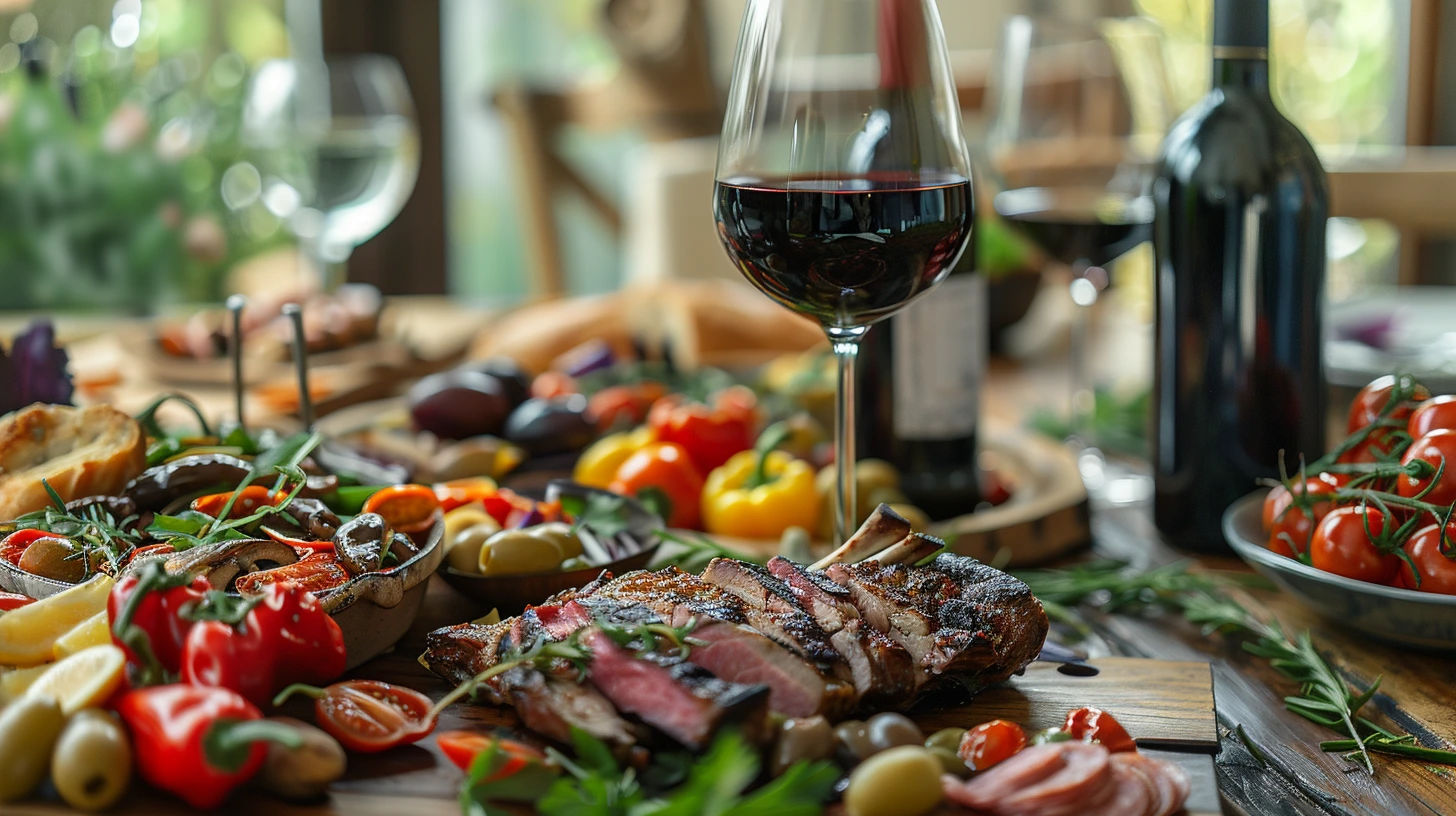
Why it works: Syrah / Shiraz has the structure for Waterblommetjie Bredie: concentrated fruit and savoury depth match the lamb, while tannin is softened by the dish's protein and fat.

Peppery, dark-fruited red with savoury spice and medium-to-firm tannins. Great with grilled meat, pepper, smoke, sausages and rich stews.

GrapeSyrah, Shiraz
RegionNorthern Rhône, Barossa, South Africa
Wine flavourblackberry, black pepper, olive, smoke
Serve at16-18°C
  • Flavour bridge: dark fruit, spice and savoury notes mirror browned meat and roasting flavours
  • Acidity: Sufficient acidity keeps a rich meat dish energetic
  • Body: Medium-full to full body matches the weight of the meat
  • Tannin: Firm tannin is buffered by protein and fat
  • Sweetness: Dry style maintains a savoury finish
  • Best for: Dinner, entertaining or recipe pairing
Côtes du Rhône / GSM Blend wine pairing
#2 Great match Red

Côtes du Rhône / GSM Blend

Why it works: Côtes du Rhône / GSM Blend offers a different but equally credible structure for Waterblommetjie Bredie: concentrated fruit and savoury depth match the lamb, while tannin is softened by the dish's protein and fat.

Southern Rhône-style blend with dark fruit, herbs, pepper and moderate tannin. Reliable with stews, roast meat, beans and savoury herbs.

GrapeGrenache, Syrah, Mourvèdre
RegionRhône, Languedoc, Australia
Wine flavourblackberry, plum, herbs, pepper, liquorice
Serve at15-17°C
  • Flavour bridge: dark fruit, spice and savoury notes mirror browned meat and roasting flavours
  • Acidity: Sufficient acidity keeps a rich meat dish energetic
  • Body: Medium-full to full body matches the weight of the meat
  • Tannin: Firm tannin is buffered by protein and fat
  • Sweetness: Dry style maintains a savoury finish
  • Best for: Dinner, entertaining or recipe pairing
Rioja / Tempranillo wine pairing
#3 Interesting match Red

Rioja / Tempranillo

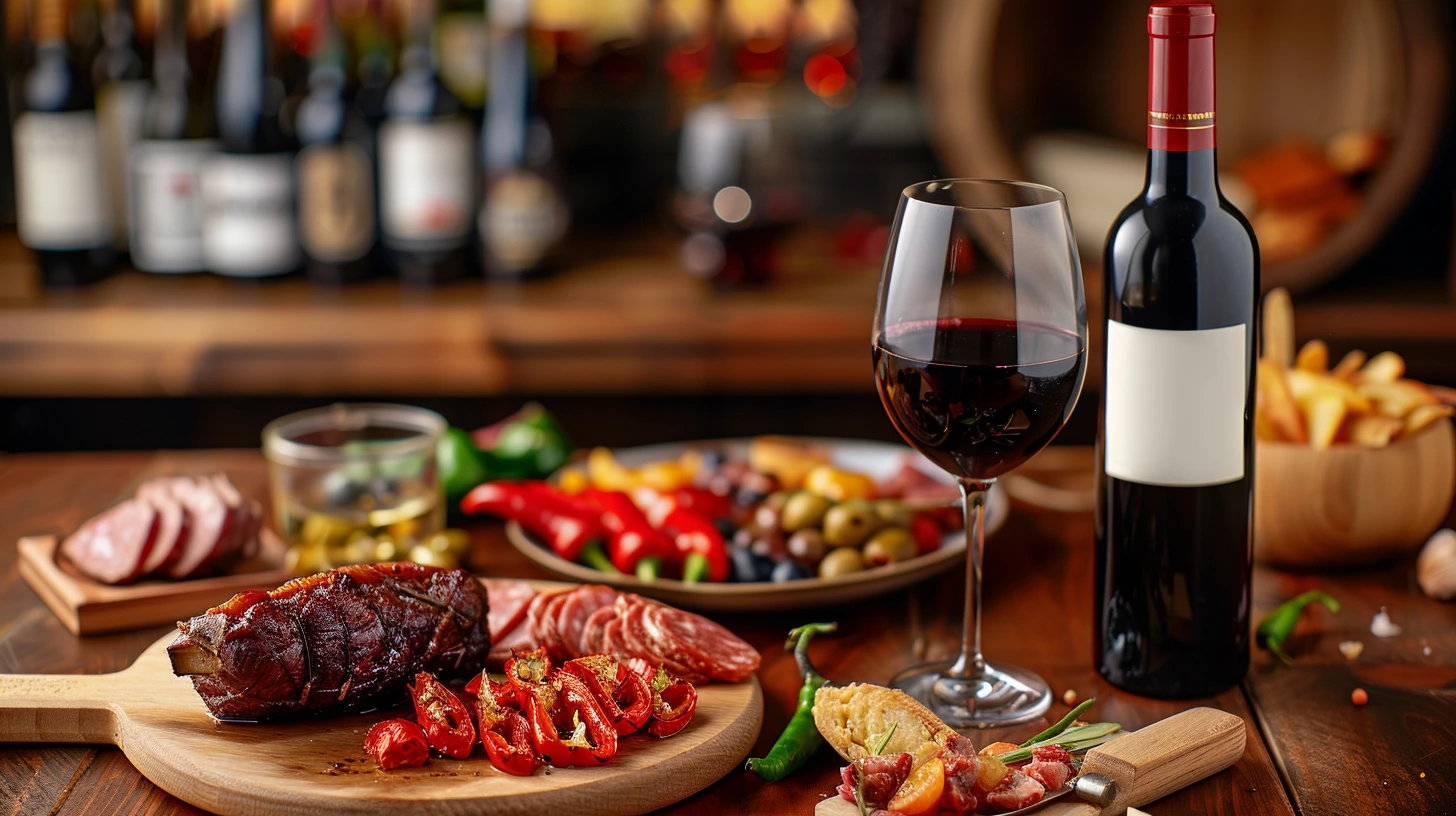
Why it works: For a more adventurous pairing, rioja / Tempranillo has the structure for Waterblommetjie Bredie: concentrated fruit and savoury depth match the lamb, while tannin is softened by the dish's protein and fat.

Spanish red with red fruit, vanilla, leather and spice. Good with garlic chicken, lamb, roast meat, paprika and grilled dishes.

GrapeTempranillo, Garnacha, Graciano
RegionRioja, Ribera del Duero, Navarra
Wine flavourred cherry, plum, vanilla, leather, dill
Serve at15-17°C
  • Flavour bridge: dark fruit, spice and savoury notes mirror browned meat and roasting flavours
  • Acidity: Sufficient acidity keeps a rich meat dish energetic
  • Body: Medium-full to full body matches the weight of the meat
  • Tannin: Firm tannin is buffered by protein and fat
  • Sweetness: Dry style maintains a savoury finish
  • Best for: Dinner, entertaining or recipe pairing

These are wine-style pairings, so you can choose any bottle in that style rather than needing one exact producer. Look for the grape, region or style name on the label.

Bottle suggestions

Specific wines to try

These are individual wines already linked to this recipe.