Stifado: the story on the plate
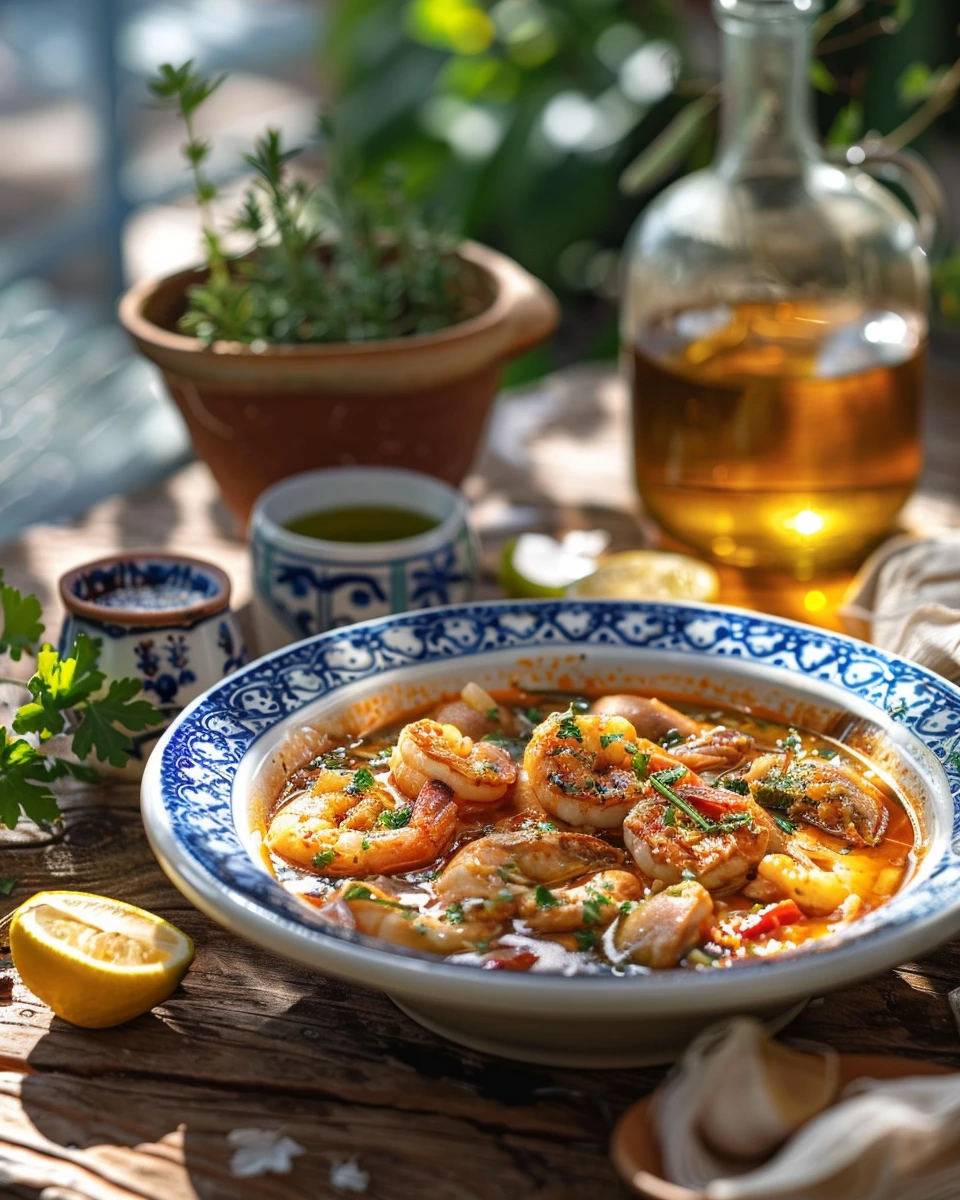
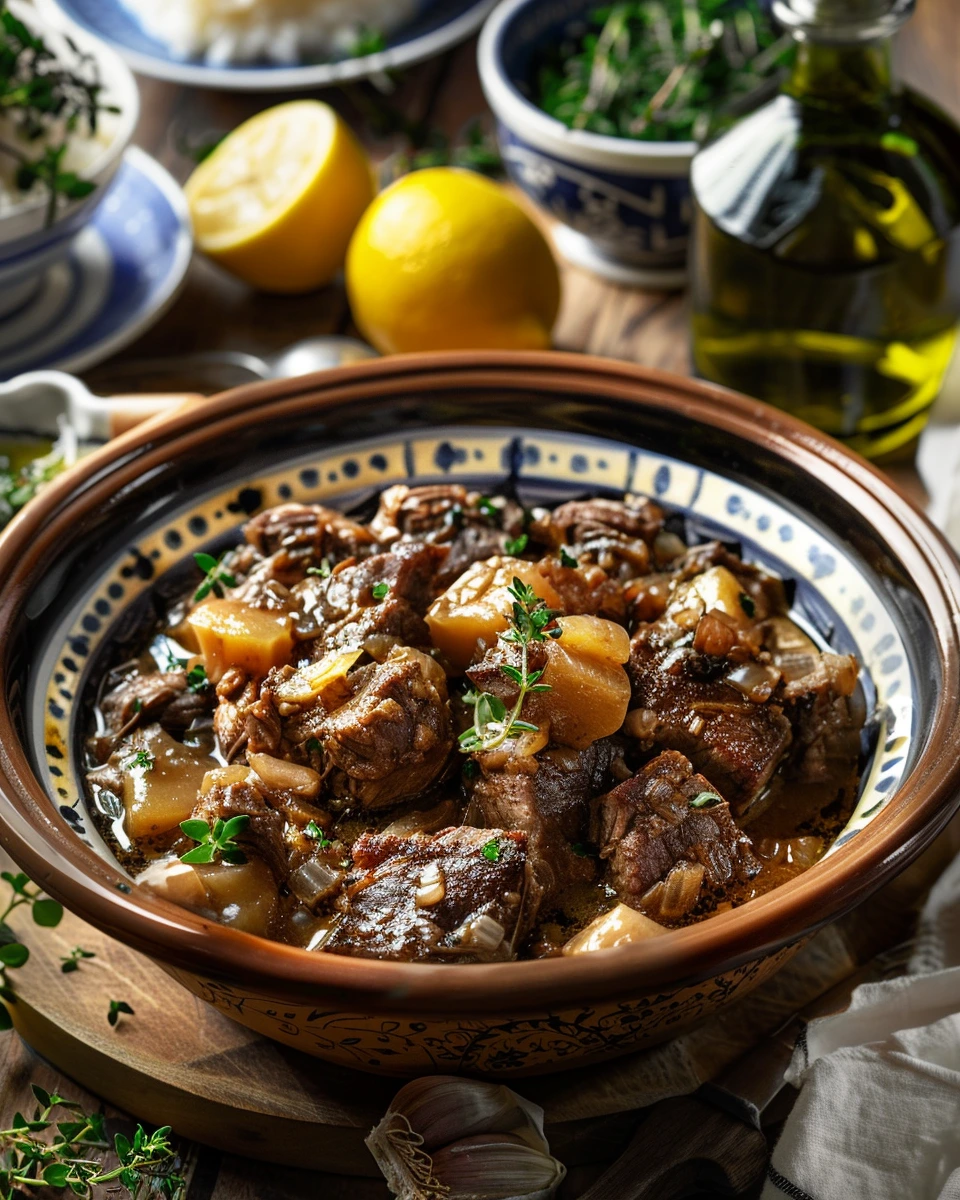
Stifado is thought to have developed through Venetian influence, its name related to stufato, while Greek cooks adapted the method with local wine, vinegar, cinnamon and abundant small onions. Rabbit and beef are among the best-known versions. Its defining feature is the quantity of whole onions, which soften and sweeten without disappearing completely. Wine, tomato and spices form a glossy sauce around tender meat. Stifado is associated with cool-weather family meals and traditional tavernas. It is usually served with bread, potatoes, rice or pasta so none of the richly seasoned sauce is wasted.
Historical background
Stifado is thought to have developed through Venetian influence, its name related to stufato, while Greek cooks adapted the method with local wine, vinegar, cinnamon and abundant small onions. Rabbit and beef are among the best-known versions.
Why it is famous
Its defining feature is the quantity of whole onions, which soften and sweeten without disappearing completely. Wine, tomato and spices form a glossy sauce around tender meat.
Cultural significance
Stifado is associated with cool-weather family meals and traditional tavernas. It is usually served with bread, potatoes, rice or pasta so none of the richly seasoned sauce is wasted.