Carapulcra: the story on the plate
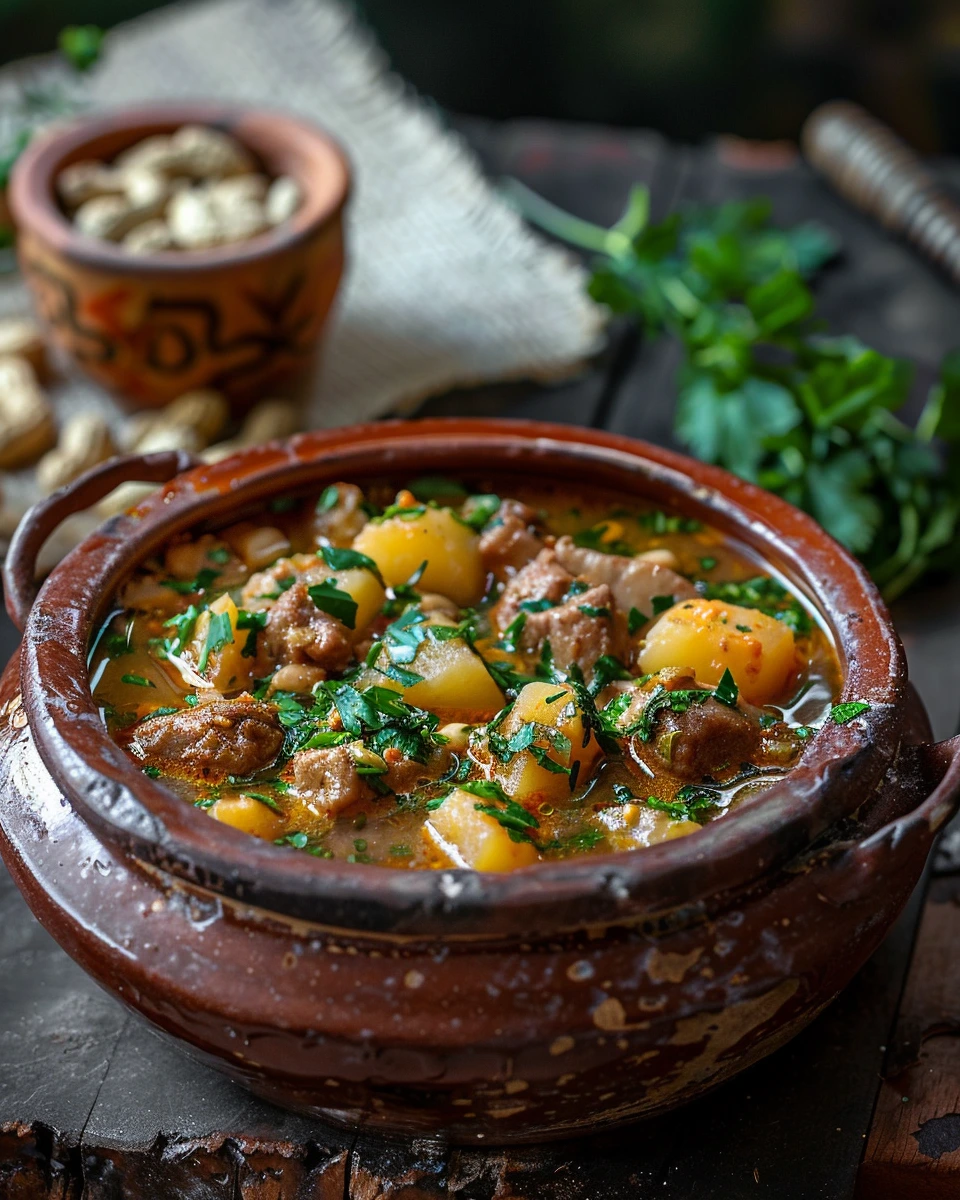
Carapulcra is one of Peru's oldest continuously recognisable dishes, built around chuño or papa seca, forms of preserved potato developed in the Andes. Colonial ingredients such as pork and peanuts became integrated into later versions. The dish is recognised for a slow stew of dried potato, pork, peanuts and ají panca. Its success depends on preserving the contrast between the principal ingredient, seasoning and finished texture rather than allowing one element to dominate. It is especially connected with south-coastal and Afro-Peruvian celebrations, where it may be served with sopa seca.
Historical background
Carapulcra is one of Peru's oldest continuously recognisable dishes, built around chuño or papa seca, forms of preserved potato developed in the Andes. Colonial ingredients such as pork and peanuts became integrated into later versions.
Why it is famous
The dish is recognised for a slow stew of dried potato, pork, peanuts and ají panca. Its success depends on preserving the contrast between the principal ingredient, seasoning and finished texture rather than allowing one element to dominate.
Cultural significance
It is especially connected with south-coastal and Afro-Peruvian celebrations, where it may be served with sopa seca.