Yomari: the story on the plate
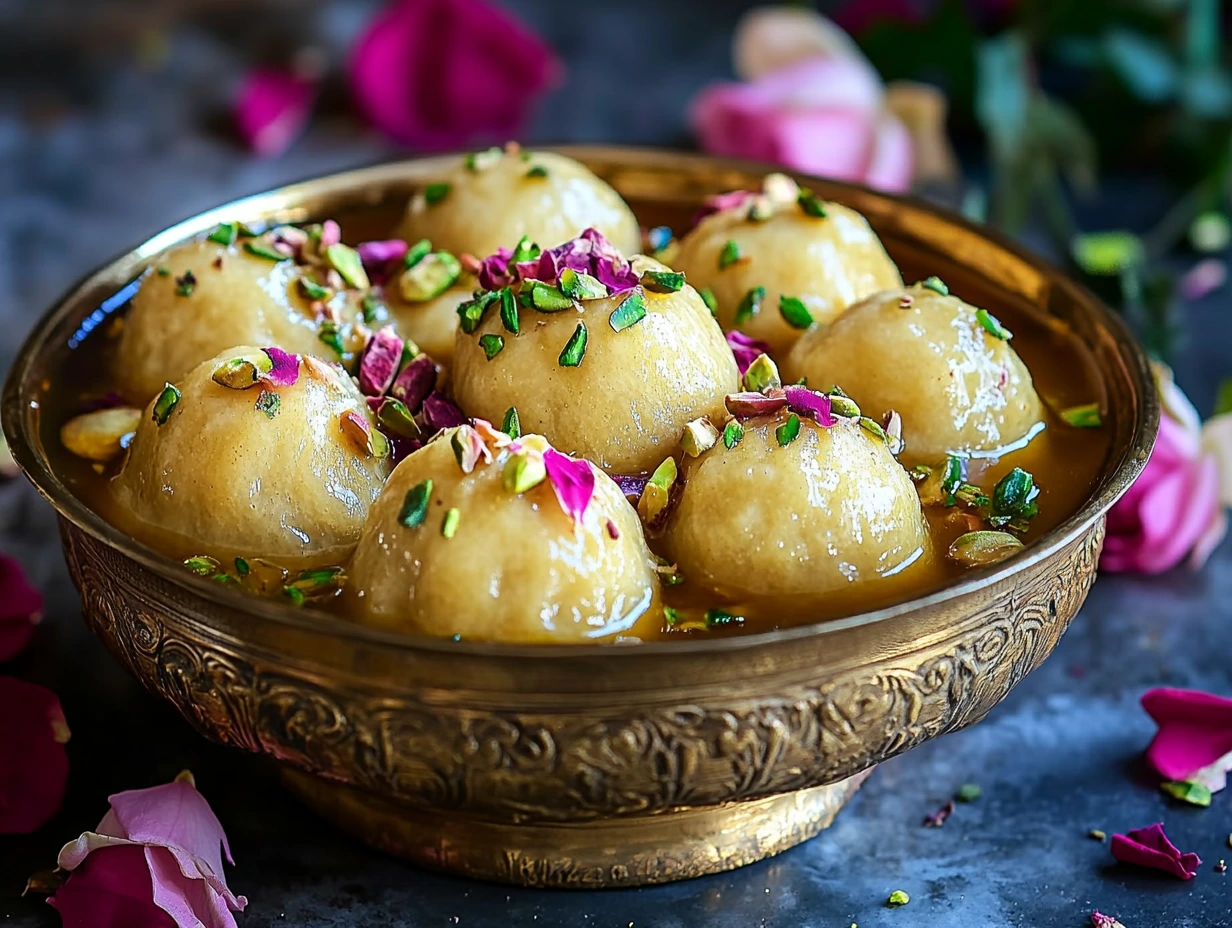
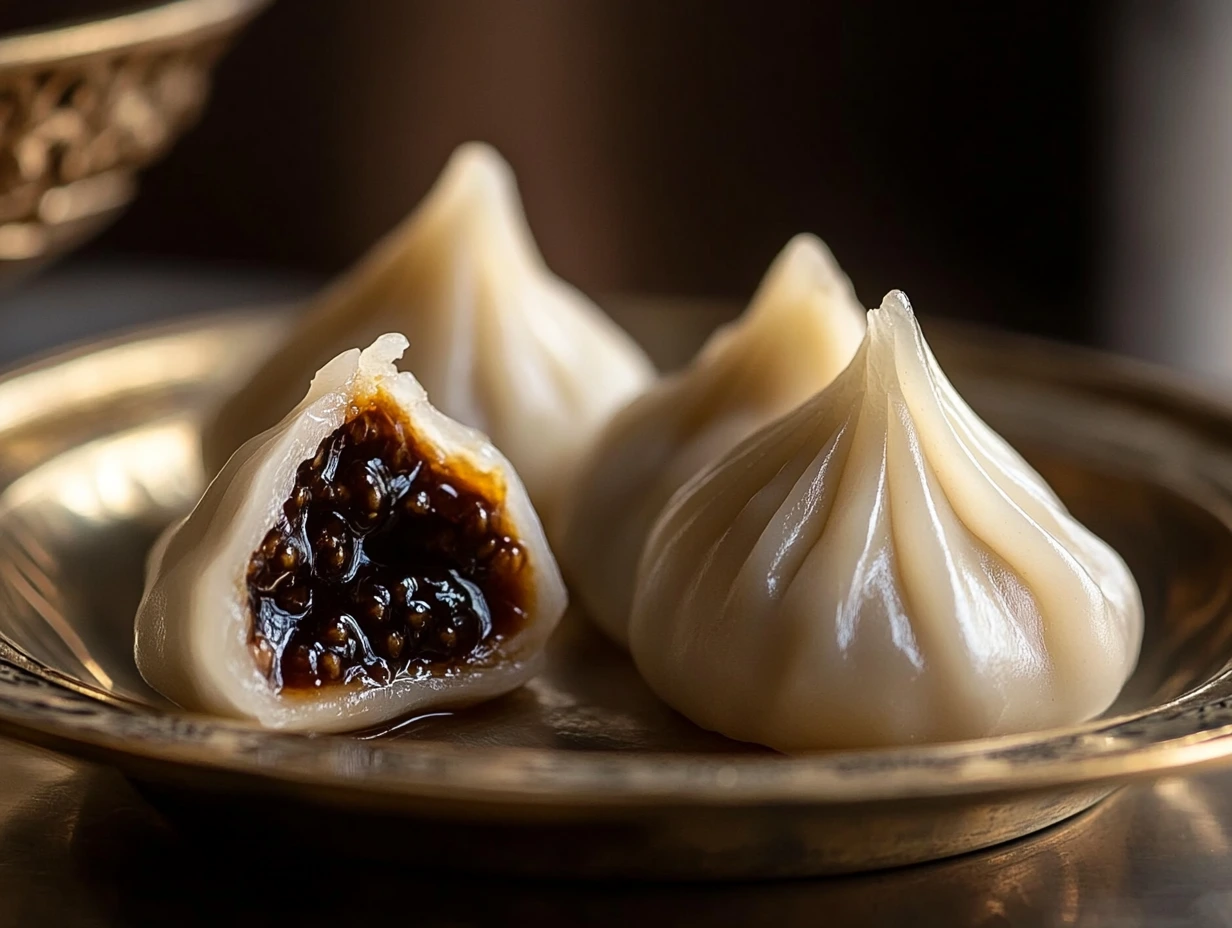
Yomari developed within Newar communities of the Kathmandu Valley, combining newly milled rice flour with a concentrated sweet filling. Its careful shaping is as important to its identity as the filling itself. Its defining character comes from delicate steamed rice-flour dumplings filled with dark chaku molasses and sesame. The best versions taste focused: the main ingredient remains obvious while acidity, spice, sweetness or richness supports it. The dumpling is central to Yomari Punhi and also appears at birthdays and family celebrations, where making and sharing it carries ceremonial meaning.
Historical background
Yomari developed within Newar communities of the Kathmandu Valley, combining newly milled rice flour with a concentrated sweet filling. Its careful shaping is as important to its identity as the filling itself.
Why it is famous
Its defining character comes from delicate steamed rice-flour dumplings filled with dark chaku molasses and sesame. The best versions taste focused: the main ingredient remains obvious while acidity, spice, sweetness or richness supports it.
Cultural significance
The dumpling is central to Yomari Punhi and also appears at birthdays and family celebrations, where making and sharing it carries ceremonial meaning.