
American Main
Kansas City Burnt Ends
Kansas City Burnt Ends upgraded with metric serves-2 ingredients, a clearer flavour profile and a stronger traditional food story.
30 minsPrep time
7 hrCook time
Serves 2Servings
HardDifficulty

Nutrition
Estimated nutrition per serving
These figures are estimates per serving. Actual nutrition can vary with the brands and exact amounts you use, how much oil, dressing or sauce is absorbed, any substitutions or added extras, and the portion size served.A practical guide for comparing recipes and planning meals.
680Calories
42gProtein
52gCarbs
32gFat
Ingredients
What you need
- 1200 beef brisket point, trimmed, cut after smoking
- 180 barbecue sauce
- 120 beef stock
- 50 butter, cubed
- 2 yellow mustard, as binder
- 3 brown sugar
- 2 paprika
- 2 black pepper
- 1 garlic powder
Method
Step-by-step method
Follow the recipe in order, tasting and adjusting seasoning where needed.
- 1. Coat brisket with mustard, then rub with sugar, paprika, pepper, garlic powder and salt. Chill for at least 1 hour.
- 2. Smoke at 120 C / 250 F until the internal temperature reaches about 88 C / 190 F, usually 4-5 hours.
- 3. Rest briefly, cut into 3 cm cubes, then toss with barbecue sauce, stock and butter.
- 4. Cook uncovered at 135 C / 275 F for 45-60 minutes until sticky and caramelised.
Cook smarter
Tips, storage and serving advice
Shopping tips
Ingredient quality
Common mistakes
Chef’s tips
How to know it is cooked
Plating advice
Make ahead
Storage and reheating
Wine pairing
What to drink with Kansas City Burnt Ends
These are wine-style pairings, so you can choose any bottle in that style rather than needing one exact producer. Look for the grape, region or style name on the label.Pairings are chosen around the dish’s flavour, texture, richness, acidity and cooking style, not just the country it comes from.

#1
Excellent match
White
Off-Dry Riesling
Why it works:
- Flavour bridge: aromatic fruit connects with spice while a cool, fresh finish resets the palate
- Acidity: High freshness cuts through oil and rich spice pastes
- Body: Enough flavour intensity for spice without excessive weight
- Tannin: Low tannin avoids exaggerating bitterness and heat
- Sweetness: A dry-to-off-dry profile can cushion chilli heat
- Best for: Dinner, entertaining or recipe pairing

#2
Great match
White
Gewürztraminer
Why it works:
- Flavour bridge: aromatic fruit connects with spice while a cool, fresh finish resets the palate
- Acidity: High freshness cuts through oil and rich spice pastes
- Body: Enough flavour intensity for spice without excessive weight
- Tannin: Low tannin avoids exaggerating bitterness and heat
- Sweetness: A dry-to-off-dry profile can cushion chilli heat
- Best for: Dinner, entertaining or recipe pairing
#3
Interesting match
White
Dry Riesling
Why it works:
- Flavour bridge: aromatic fruit connects with spice while a cool, fresh finish resets the palate
- Acidity: High freshness cuts through oil and rich spice pastes
- Body: Enough flavour intensity for spice without excessive weight
- Tannin: Low tannin avoids exaggerating bitterness and heat
- Sweetness: A dry-to-off-dry profile can cushion chilli heat
- Best for: Dinner, entertaining or recipe pairing
Bottle suggestions
Specific wines to try
These are named bottles or regional wine examples already linked to this recipe. Each card opens the relevant wine-style guide because individual bottle pages are not currently published.American Zinfandel
Suggested pairing for Kansas City Burnt Ends: American Zinfandel supports the dish structure and dominant flavours.
Explore this wine styleAustralian Dry Riesling
Australian Dry Riesling is credible here because it represents the matched Dry Riesling style. Dry Riesling combines piercin…
Explore this wine styleAustralian Shiraz
Australian Shiraz is credible here because it represents the matched Syrah / Shiraz style. Syrah offers pepper, dark fruit a…
Explore this wine styleChinese Food Off-Dry Riesling
Chinese Food Off-Dry Riesling is credible here because it represents the matched Dry Riesling style. Dry Riesling combines p…
Explore this wine styleMexican Food Riesling
Mexican Food Riesling is credible here because it represents the matched Dry Riesling style. Dry Riesling combines piercing…
Explore this wine styleCook next
View cuisine More American recipes
Keep exploring the country’s food story through related starters, mains and desserts.
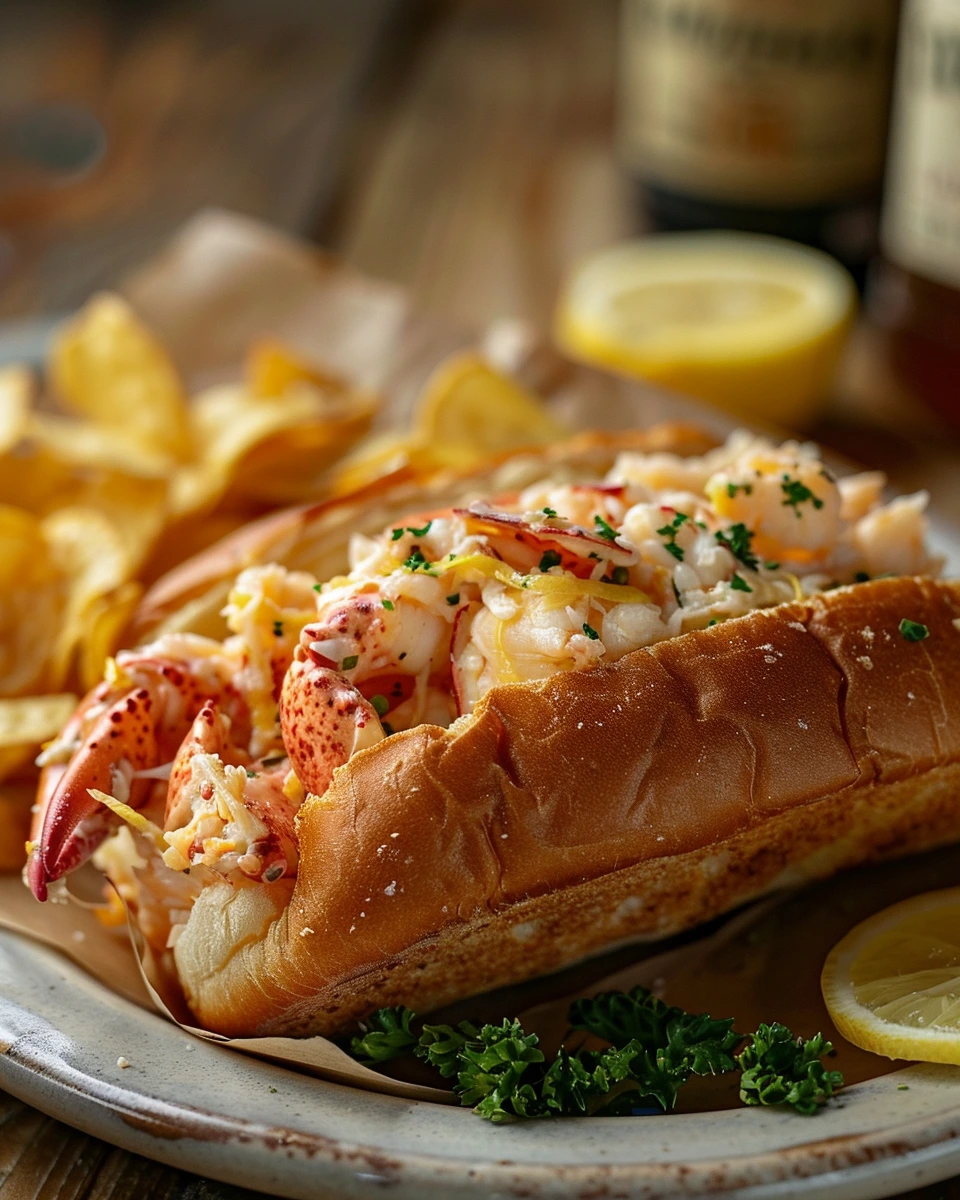
Maine Lobster Roll
Sweet Maine lobster lightly dressed and packed into a buttered, toasted split-top roll.

Green Chile Cheeseburger
A juicy beef burger topped with roasted New Mexico green chiles and melted cheese.

Philly Cheesesteak
Thinly sliced griddled beef in a long roll with melted cheese and, optionally, fried onions.

Southern Catfish Fry
Cornmeal-crusted catfish fried crisp and served with hush puppies, slaw, lemon and tartar sauce.