Italian Starter

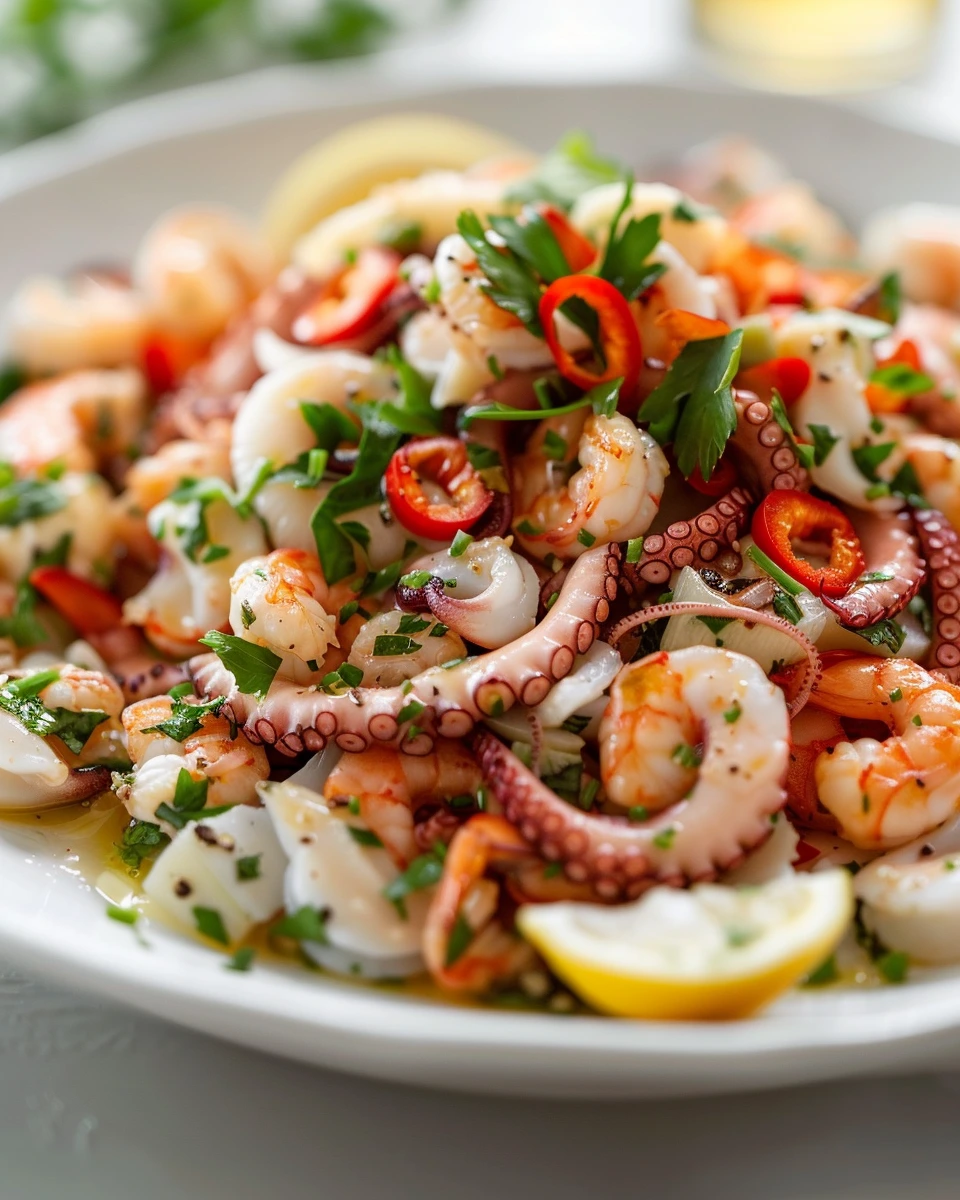
Insalata di Mare

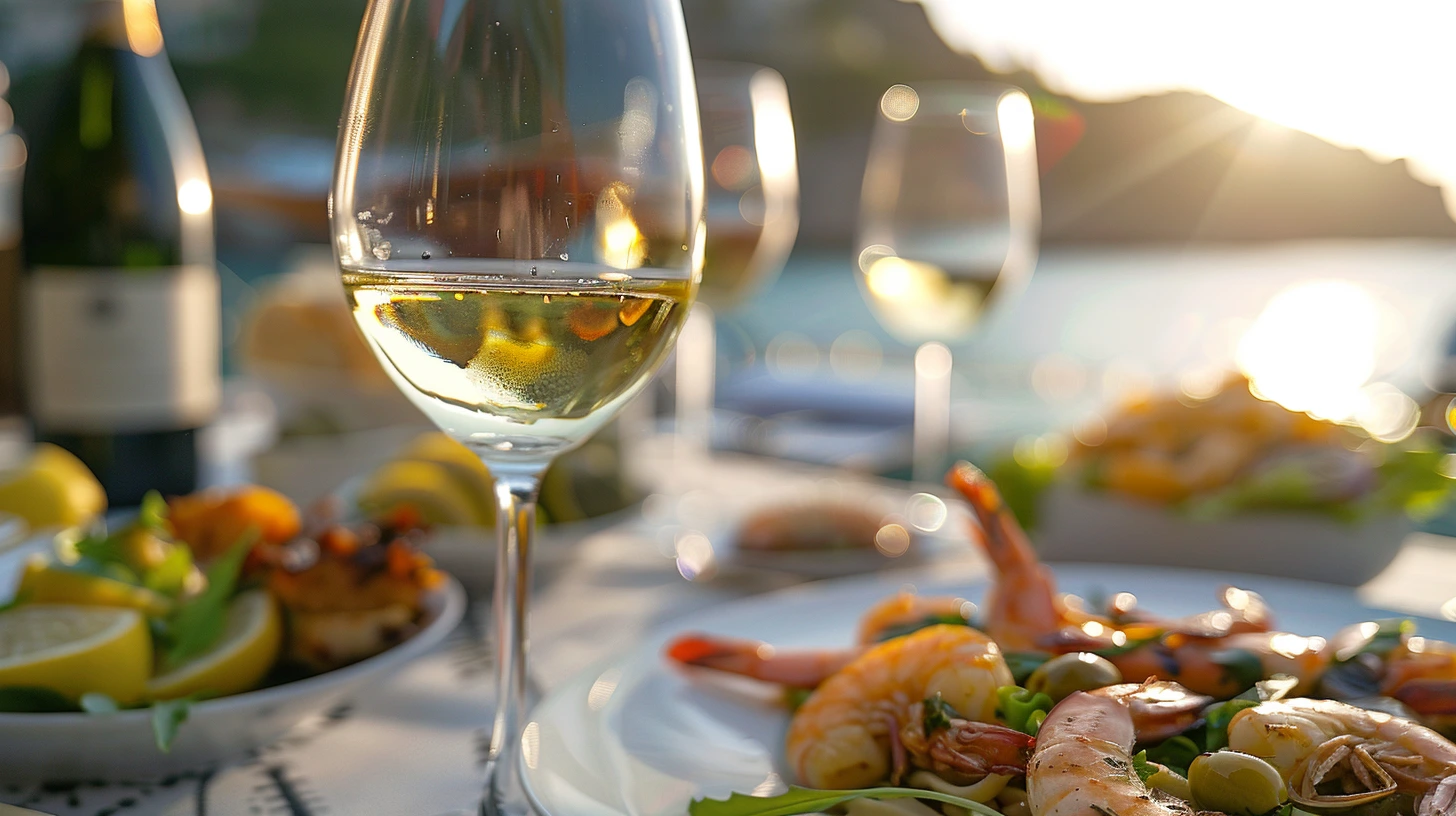
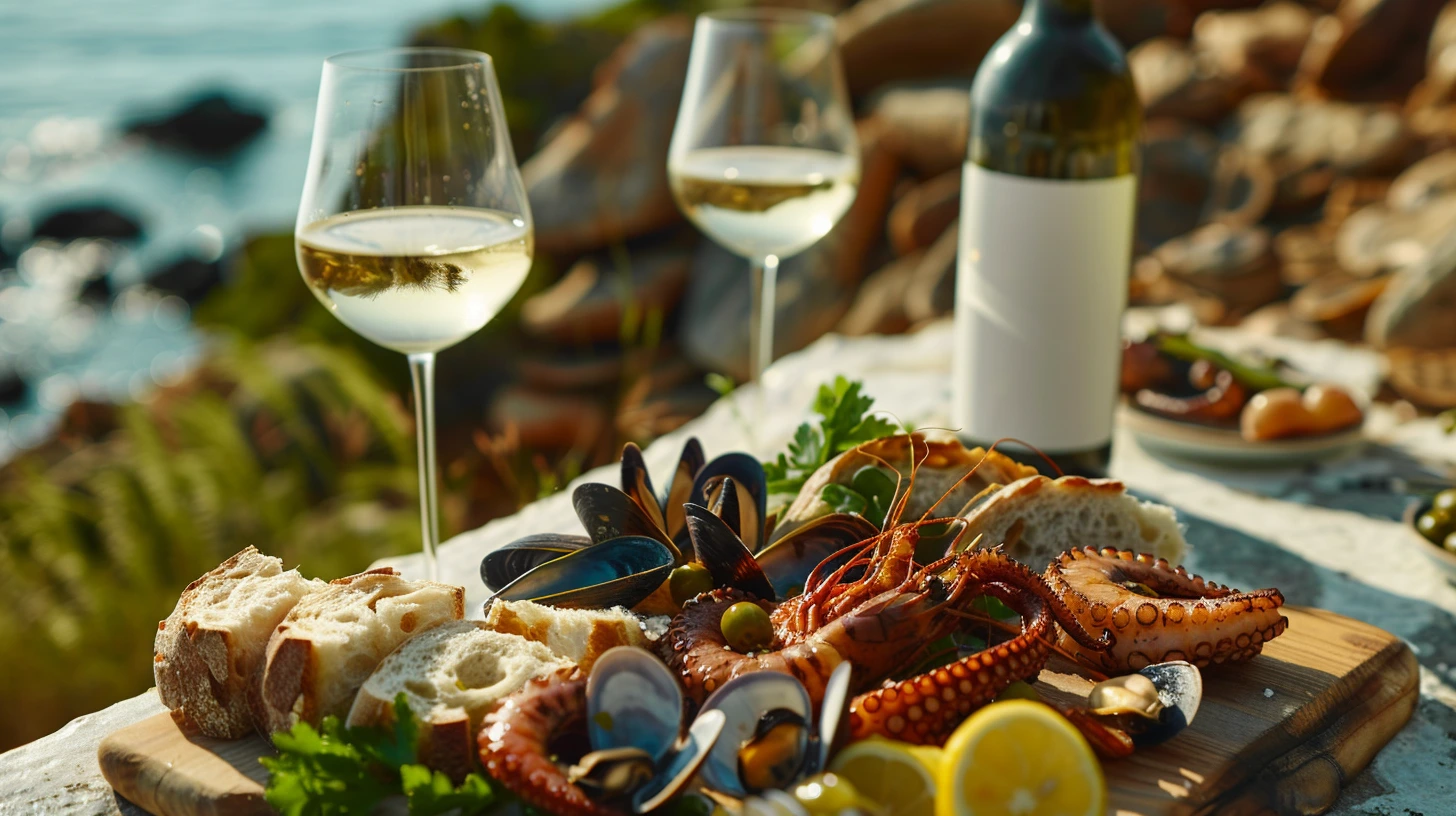
Italian seafood salad with octopus, prawns, squid, celery, parsley, lemon and olive oil.

30 minsPrep time
50 minsCook time
Serves 2Servings
MediumDifficulty
Insalata di Mare
About this dish

Insalata di Mare: the story on the plate

A coastal antipasto served cool or at room temperature. The seafood is cooked separately so each piece stays tender, then dressed simply with lemon, olive oil and herbs.

Historical background

Insalata di mare adds coastal balance to the Italian starters and works well for readers looking beyond bread, cheese and cured meat.

Why it is famous

Insalata di Mare is useful because it is both recognisably Italian and regionally specific, helping the page move beyond generic pasta dishes.

Cultural significance

In Coastal Italy, this dish is associated with home cooking, restaurants, feast days or local food identity depending on the recipe.

Nutrition

Estimated nutrition per serving

Useful for meal planning and calorie-aware recipe browsing.

250Calories
32gProtein
7gCarbs
10gFat

Estimated from the exact ingredient measures in the recipe text. Validate with your preferred nutrition calculator before publishing.

Ingredients

What you need

  • 200 cleaned octopus
  • 83.33 squid, cleaned and sliced
  • 83.33 raw prawns, peeled
  • 0.33 celery stick, finely sliced
  • 0.33 small carrot, finely diced
  • 0.33 garlic clove, lightly crushed
  • 1.33 extra virgin olive oil
  • 0.67 lemon juice
  • 0.33 white wine vinegar
  • 5 flat-leaf parsley, chopped
  • 0.33 fine sea salt
  • black pepper
Method

Step-by-step method

Follow the recipe in order, tasting and adjusting seasoning where needed.

  1. 1. Cook octopus: Simmer octopus gently in salted water until tender.
  2. 2. Cook squid: Blanch squid for 60–90 seconds until just opaque.
  3. 3. Cook prawns: Poach prawns for 2 minutes until pink.
  4. 4. Cut seafood: Slice octopus into bite-sized pieces and combine all seafood.
  5. 5. Dress: Whisk oil, lemon, vinegar, garlic, salt and pepper; toss with seafood and vegetables.
  6. 6. Rest: Rest 30 minutes, then add parsley.
Cook smarter

Tips, storage and serving advice

Shopping tips

Buy the best version of the core ingredient first; avoid over-spending on decoration if the cheese, seafood, meat, rice, pasta, olive oil or fruit is weak.

Ingredient quality

Use real regional cheeses where named, good olive oil, properly salted water and fresh herbs. Drain wet dairy and seafood carefully before cooking.

Common mistakes

The most common mistake is adding too much liquid, overcooking the main ingredient, or using shortcuts that hide the regional character.

Chef’s tips

Cook with restraint. Let the main ingredient lead, season gradually and finish with only the garnish the dish actually needs.

How to know it is cooked

Use the visual cues in the method: tender but not collapsing, glossy not watery, crisp not burnt, set not rubbery, or al dente not soft.

Plating advice

Serve simply on warm plates for savoury dishes or chilled/room-temperature plates for desserts. Keep the focus on the food.

Make ahead

Prepare components ahead where possible, but finish pasta, fried items, seafood and crisp pastry close to serving.

Storage and reheating

Store covered in the fridge for up to 2 days where suitable. Fried and fresh seafood dishes are best eaten the same day. Reheat gently only where appropriate. Pasta, seafood, liver, cream-set desserts and filled pastry are usually best freshly served.