Kulajda: the story on the plate
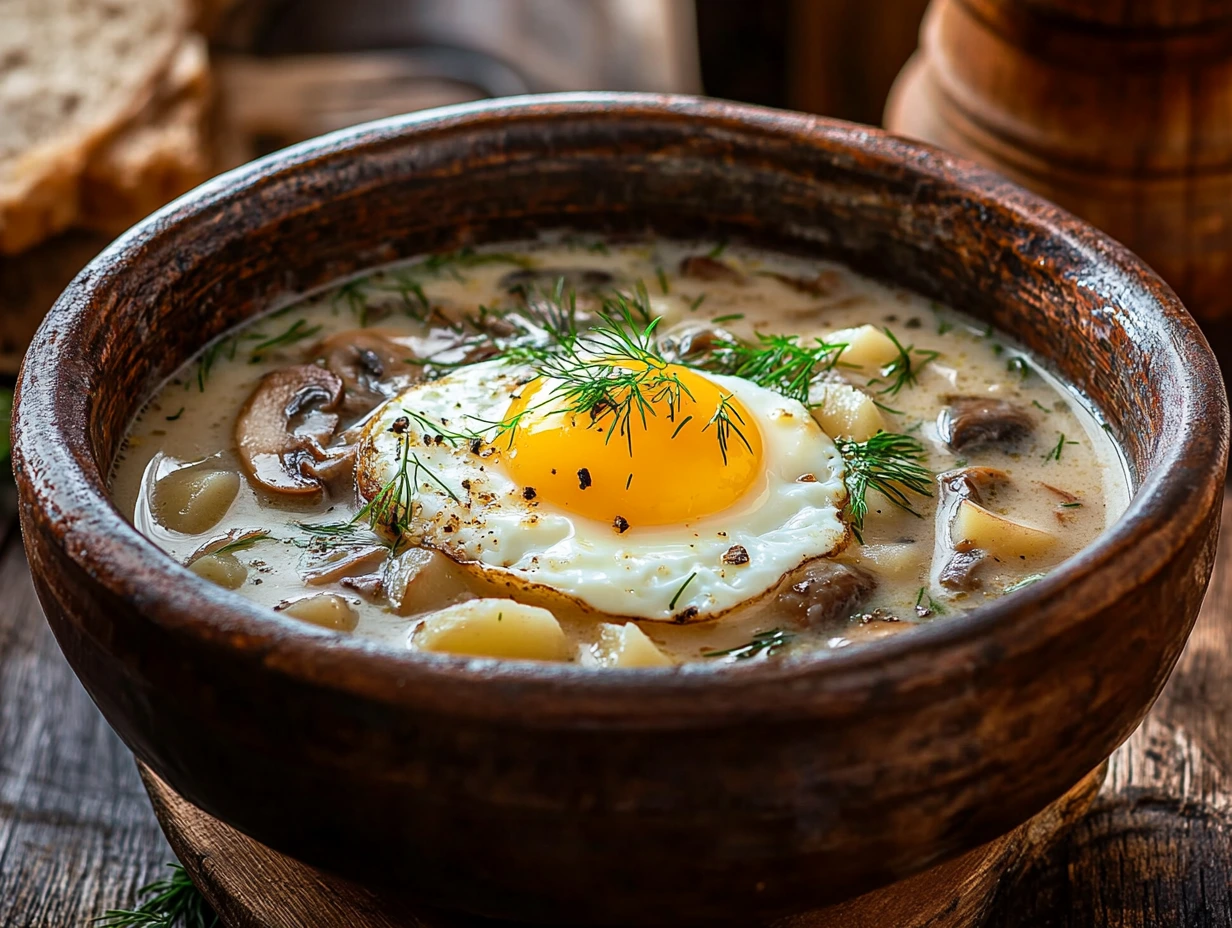
Kulajda is especially associated with southern Bohemia and the Šumava region, where forest mushrooms, potatoes and dairy shaped rural cooking. The soup developed as a substantial dish using ingredients available to farming and woodland communities. Its identity comes from a careful sweet-sour balance: cream gives body, vinegar adds brightness, dill is unmistakable, and an egg enriches each bowl. Wild mushrooms contribute an earthy depth that cultivated mushrooms only partly imitate. Kulajda is served in Czech homes and traditional restaurants, particularly in cooler weather and during mushroom season. It represents the country's fondness for soups substantial enough to begin or even replace a meal.
Historical background
Kulajda is especially associated with southern Bohemia and the Šumava region, where forest mushrooms, potatoes and dairy shaped rural cooking. The soup developed as a substantial dish using ingredients available to farming and woodland communities.
Why it is famous
Its identity comes from a careful sweet-sour balance: cream gives body, vinegar adds brightness, dill is unmistakable, and an egg enriches each bowl. Wild mushrooms contribute an earthy depth that cultivated mushrooms only partly imitate.
Cultural significance
Kulajda is served in Czech homes and traditional restaurants, particularly in cooler weather and during mushroom season. It represents the country's fondness for soups substantial enough to begin or even replace a meal.