Kolache: the story on the plate
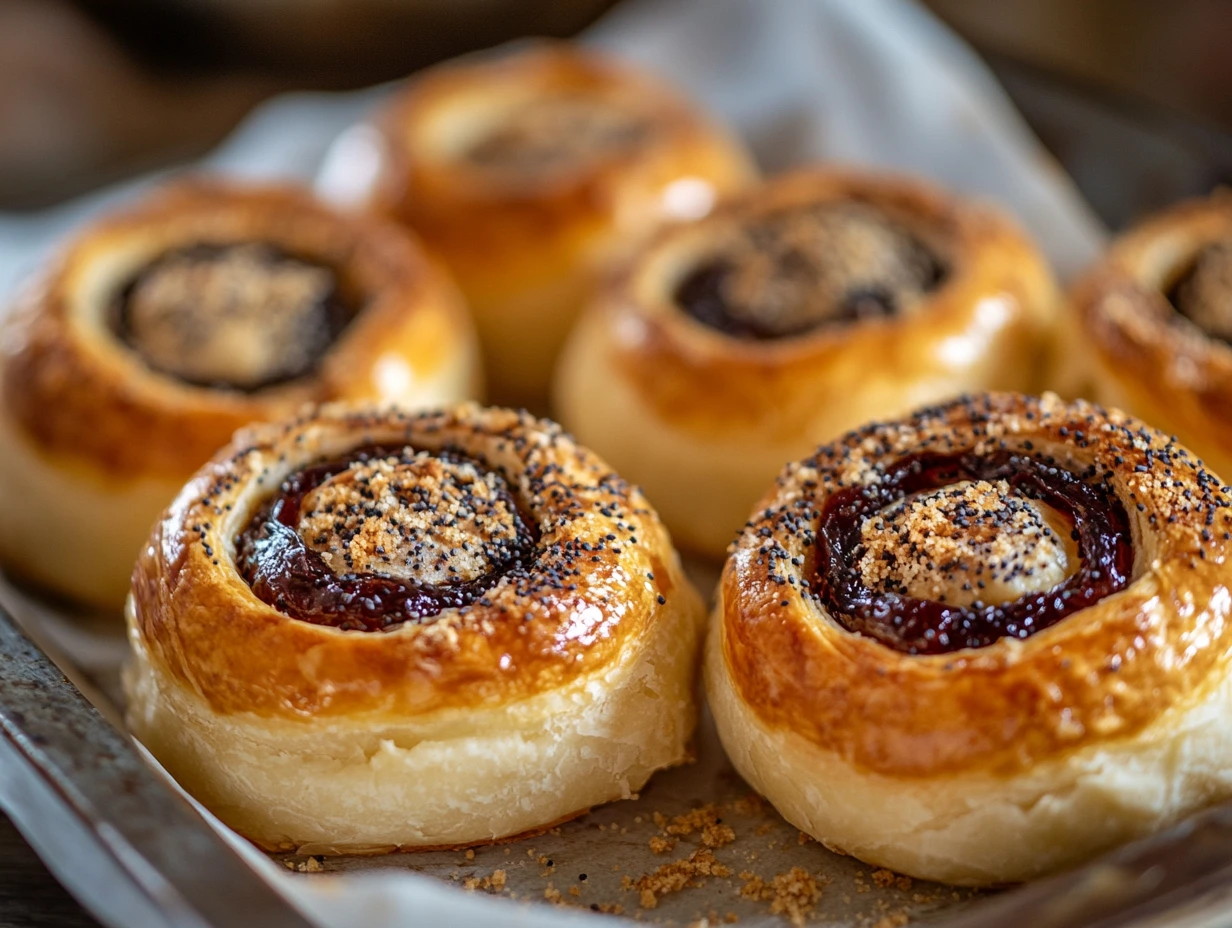
Koláče originated in Czech lands as round celebration pastries, their name linked to the word for wheel. Regional shapes and fillings developed around weddings, harvests and village baking, and Czech emigrants carried them widely, especially to the United States. They are prized for light enriched dough surrounding a generous but neat filling. Poppy seed, tvaroh, povidla and fruit each create a different character, often finished with crumbly streusel. Koláče remain part of festivals, weddings, family visits and bakery culture. Their diaspora versions are important symbols of Czech heritage abroad.
Historical background
Koláče originated in Czech lands as round celebration pastries, their name linked to the word for wheel. Regional shapes and fillings developed around weddings, harvests and village baking, and Czech emigrants carried them widely, especially to the United States.
Why it is famous
They are prized for light enriched dough surrounding a generous but neat filling. Poppy seed, tvaroh, povidla and fruit each create a different character, often finished with crumbly streusel.
Cultural significance
Koláče remain part of festivals, weddings, family visits and bakery culture. Their diaspora versions are important symbols of Czech heritage abroad.