Sopa Negra: the story on the plate
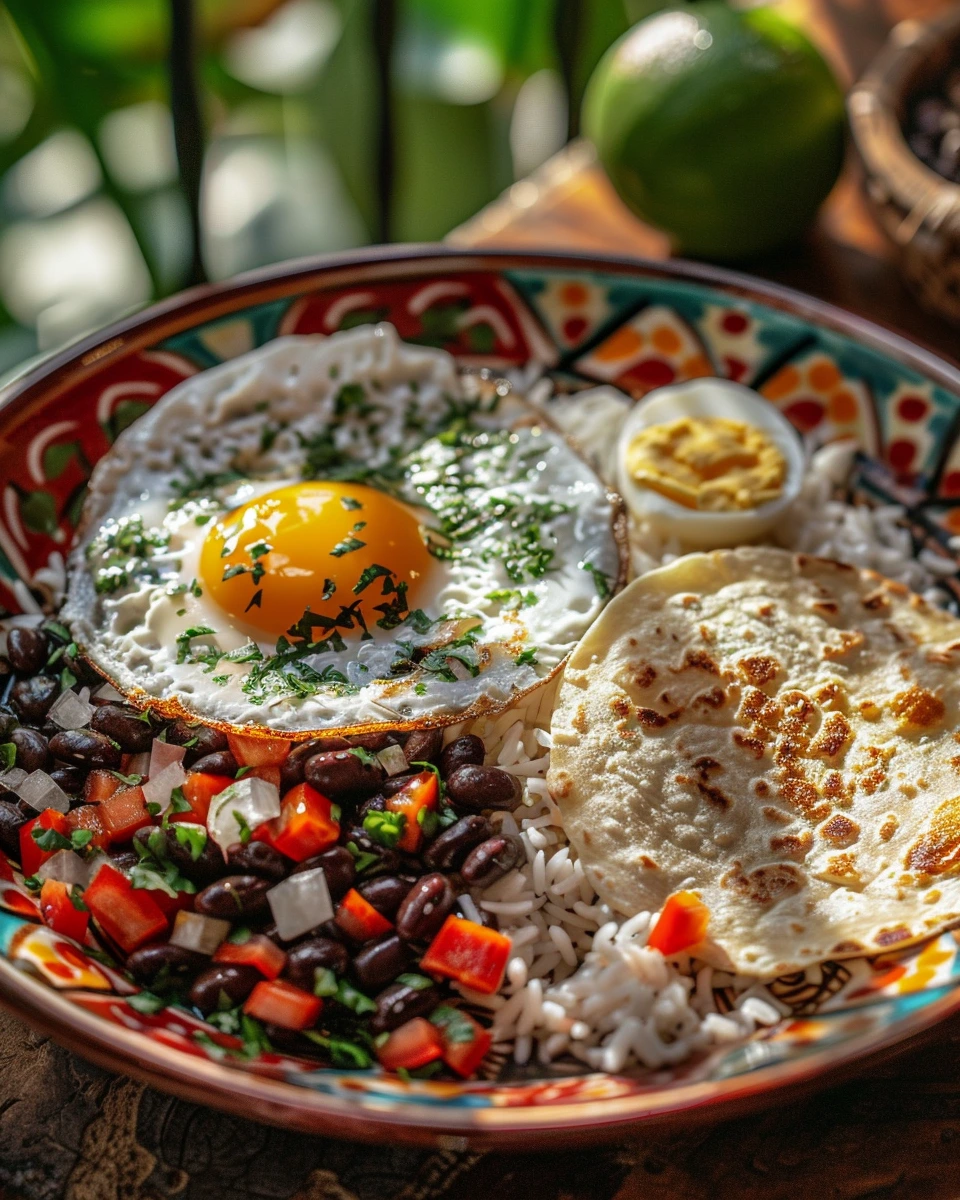
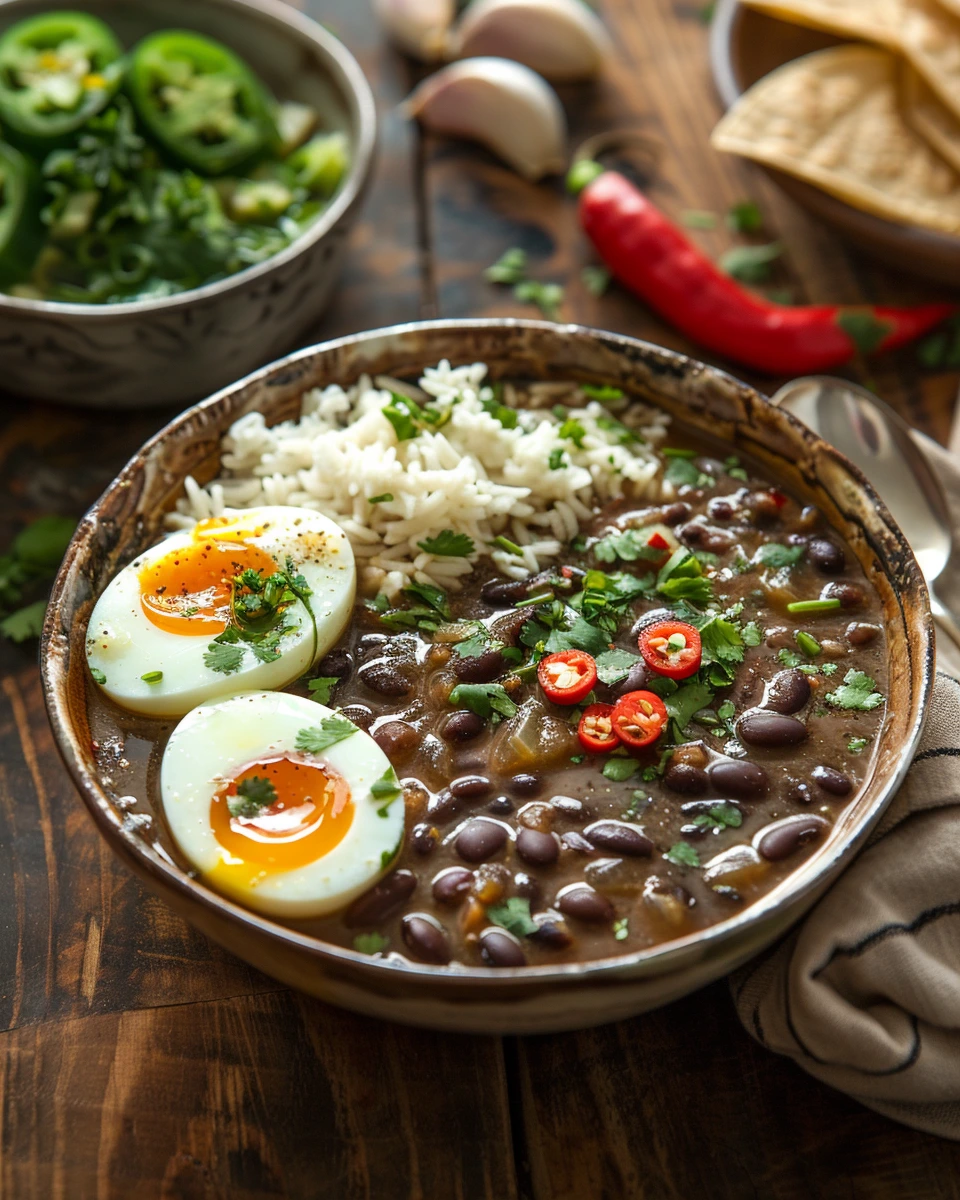
Sopa Negra carries the imprint of migration, trade and regional habit while remaining recognisable as a practical dish. It reflects Costa Rica’s everyday cocina típica, built around rice, beans, maize, plantain, fresh produce and straightforward seasoning. Cooks return to it because it delivers black-bean soup served with egg, rice and fresh garnishes. It feels generous while relying on a focused set of flavours. The dish helps explain how people in Costa Rican cooking share food, mark occasions and use local produce. It is part of the food served in homes, sodas, markets, celebrations and everyday breakfast or lunch routines.
Historical background
Sopa Negra carries the imprint of migration, trade and regional habit while remaining recognisable as a practical dish. It reflects Costa Rica’s everyday cocina típica, built around rice, beans, maize, plantain, fresh produce and straightforward seasoning.
Why it is famous
Cooks return to it because it delivers black-bean soup served with egg, rice and fresh garnishes. It feels generous while relying on a focused set of flavours.
Cultural significance
The dish helps explain how people in Costa Rican cooking share food, mark occasions and use local produce. It is part of the food served in homes, sodas, markets, celebrations and everyday breakfast or lunch routines.