Olla de Carne: the story on the plate
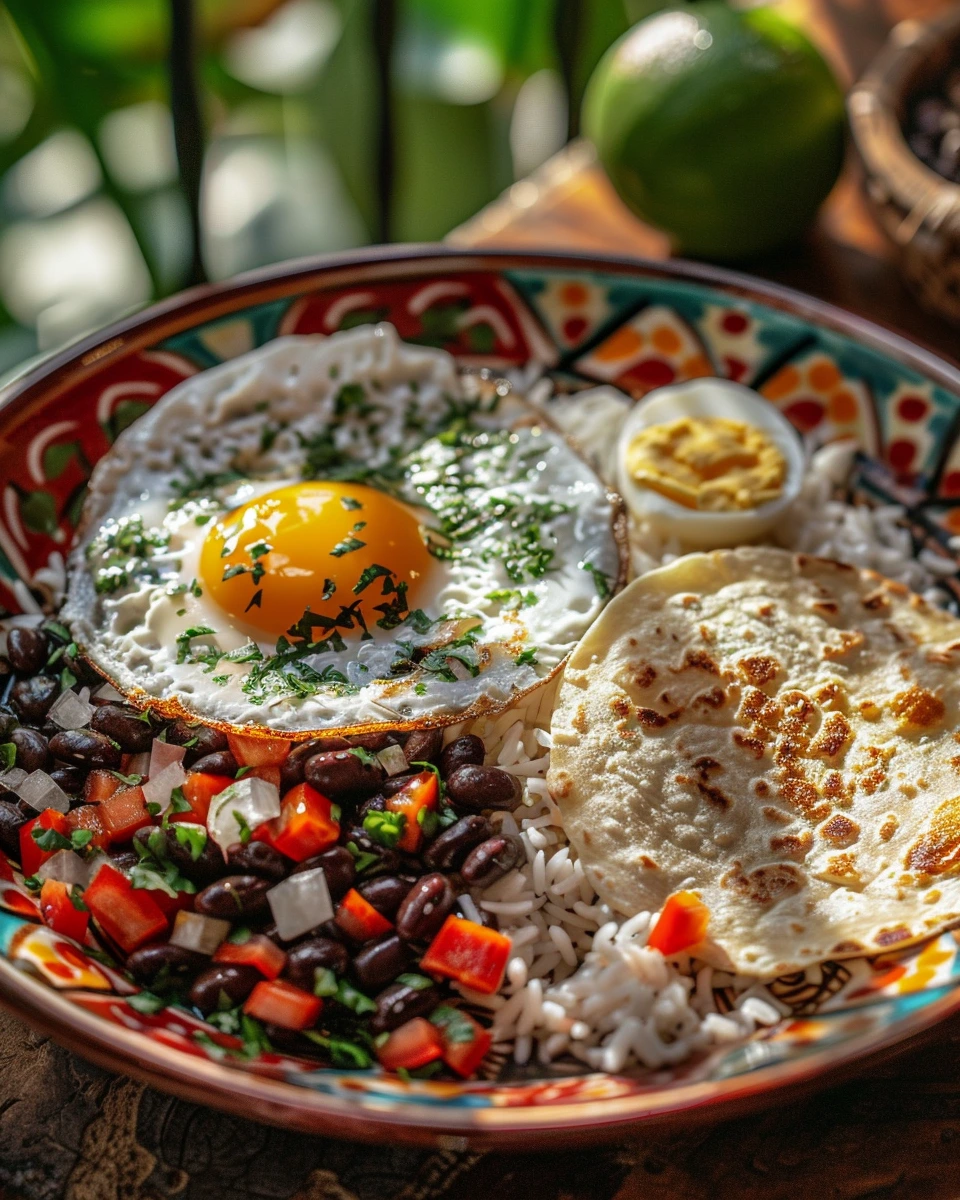
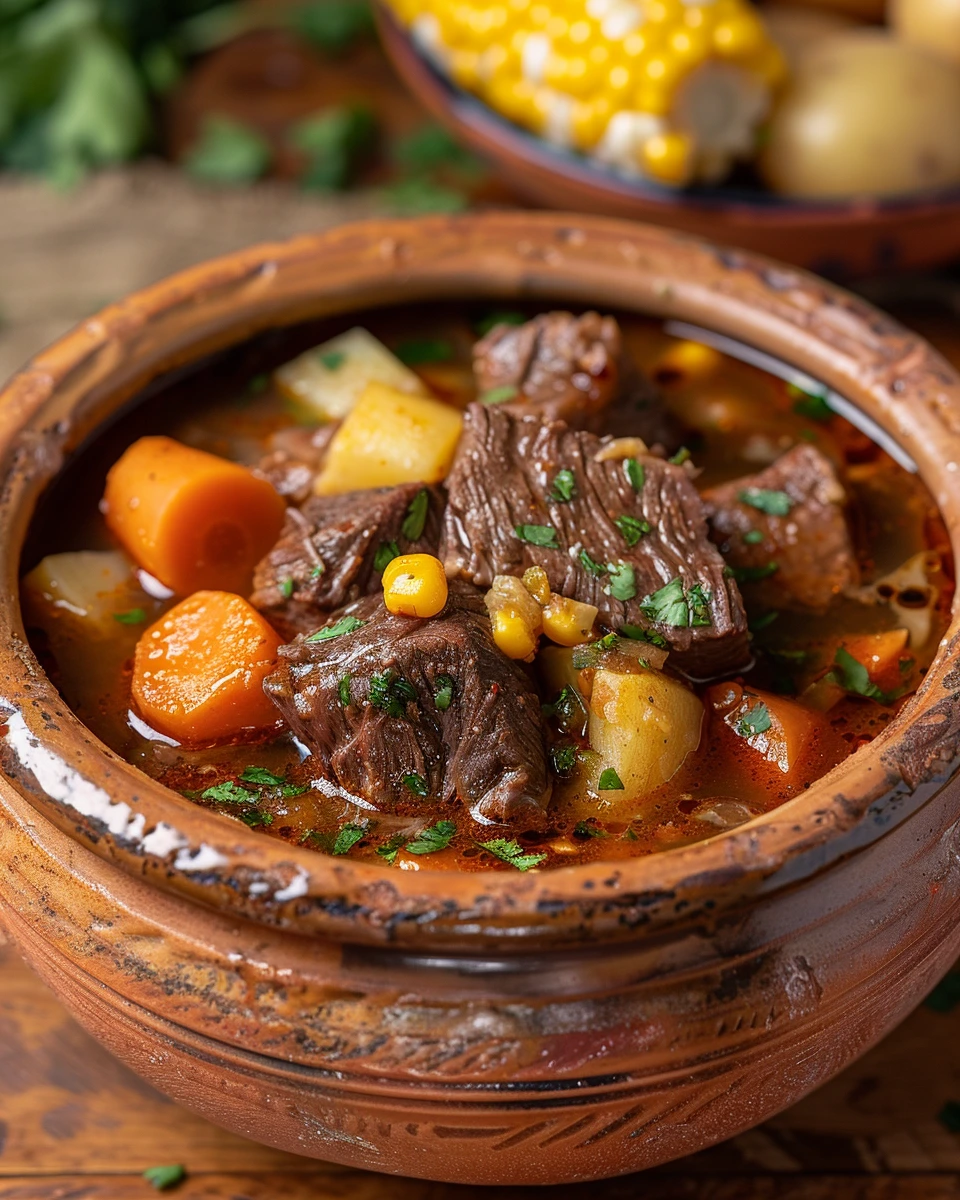
Olla de Carne is not simply a modern restaurant label; its form grew through repeated household, market or celebratory use. It reflects Costa Rica’s everyday cocina típica, built around rice, beans, maize, plantain, fresh produce and straightforward seasoning. It is famous for beef and root-vegetable soup with large pieces of cassava, plantain and corn. The contrast of texture, seasoning and temperature gives the recipe a clear identity. Its significance comes from repetition: it is cooked, ordered and remembered in settings where food reinforces place and family identity. It is part of the food served in homes, sodas, markets, celebrations and everyday breakfast or lunch routines.
Historical background
Olla de Carne is not simply a modern restaurant label; its form grew through repeated household, market or celebratory use. It reflects Costa Rica’s everyday cocina típica, built around rice, beans, maize, plantain, fresh produce and straightforward seasoning.
Why it is famous
It is famous for beef and root-vegetable soup with large pieces of cassava, plantain and corn. The contrast of texture, seasoning and temperature gives the recipe a clear identity.
Cultural significance
Its significance comes from repetition: it is cooked, ordered and remembered in settings where food reinforces place and family identity. It is part of the food served in homes, sodas, markets, celebrations and everyday breakfast or lunch routines.