Empanadas de Chiverre: the story on the plate
The dish emerged from a food culture in which economy, seasonality and regional taste mattered more than elaborate presentation. It reflects Costa Rica’s everyday cocina típica, built around rice, beans, maize, plantain, fresh produce and straightforward seasoning. What distinguishes it is pastry filled with spiced fig-leaf-gourd preserve, especially associated with Holy Week. Success depends on preserving that central contrast rather than adding unnecessary complexity. Its significance comes from repetition: it is cooked, ordered and remembered in settings where food reinforces place and family identity. It is part of the food served in homes, sodas, markets, celebrations and everyday breakfast or lunch routines.
Historical background
The dish emerged from a food culture in which economy, seasonality and regional taste mattered more than elaborate presentation. It reflects Costa Rica’s everyday cocina típica, built around rice, beans, maize, plantain, fresh produce and straightforward seasoning.
Why it is famous
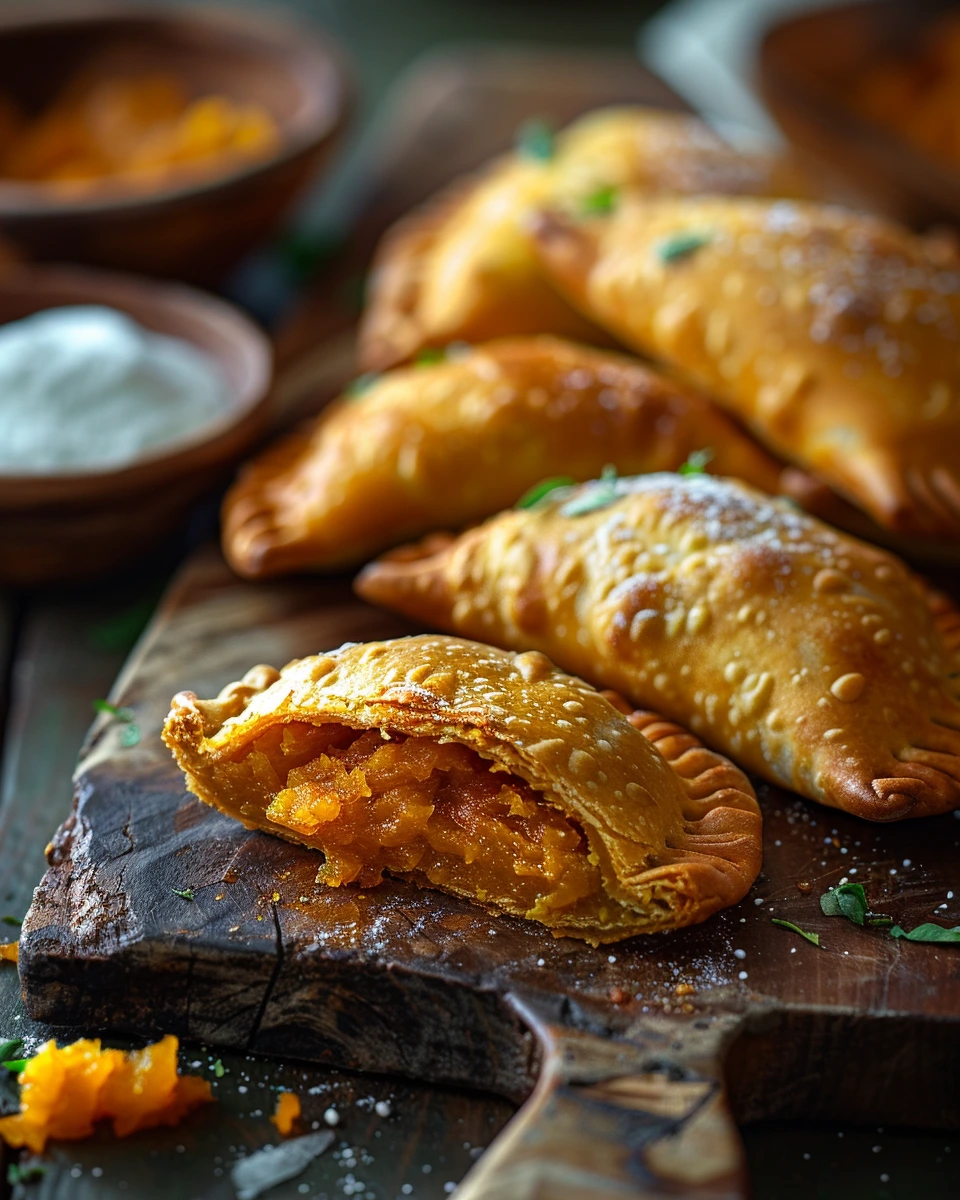
What distinguishes it is pastry filled with spiced fig-leaf-gourd preserve, especially associated with Holy Week. Success depends on preserving that central contrast rather than adding unnecessary complexity.
Cultural significance
Its significance comes from repetition: it is cooked, ordered and remembered in settings where food reinforces place and family identity. It is part of the food served in homes, sodas, markets, celebrations and everyday breakfast or lunch routines.