Cioppino: the story on the plate
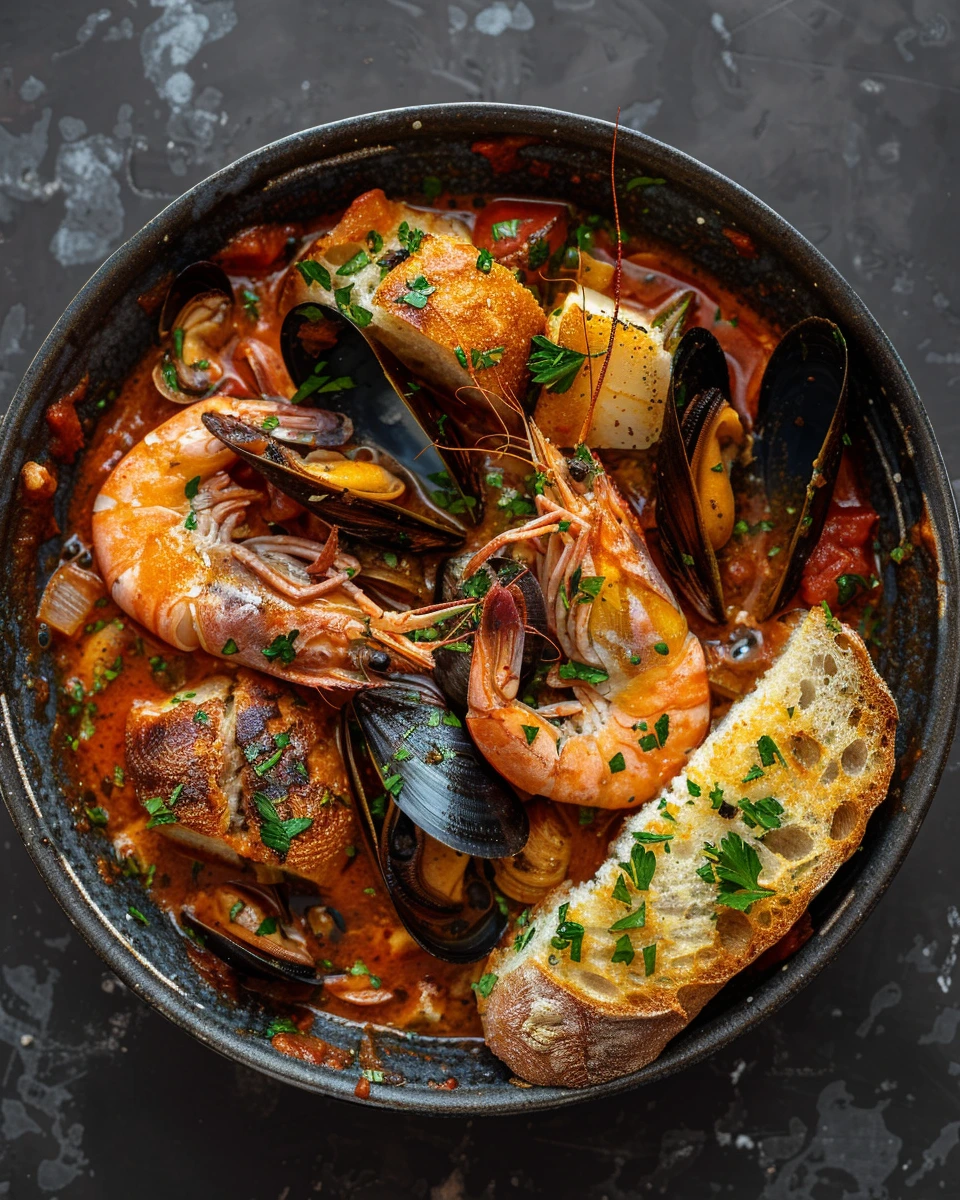
Cioppino was created in San Francisco’s Italian fishing community in the late nineteenth century, particularly among immigrants from Liguria and other coastal regions. Fishermen cooked pieces of the day’s catch together in a communal tomato-and-wine broth. The dish is American in origin even though its techniques and flavours reflect Italian maritime cooking. It is celebrated for gathering several kinds of seafood in one aromatic pot. Dungeness crab is especially associated with San Francisco versions, while clams, mussels, prawns and firm fish contribute different textures and their cooking juices. The broth should be robust enough for bread but not so heavy that it masks the seafood. Cioppino remains a signature San Francisco restaurant dish, especially around Fisherman’s Wharf and North Beach. It reflects the city’s port history and immigrant communities. Eating it is deliberately messy and social, with cracked crab shells, bowls for discarded shells and sourdough bread for dipping.
Historical background
Cioppino was created in San Francisco’s Italian fishing community in the late nineteenth century, particularly among immigrants from Liguria and other coastal regions. Fishermen cooked pieces of the day’s catch together in a communal tomato-and-wine broth. The dish is American in origin even though its techniques and flavours reflect Italian maritime cooking.
Why it is famous
It is celebrated for gathering several kinds of seafood in one aromatic pot. Dungeness crab is especially associated with San Francisco versions, while clams, mussels, prawns and firm fish contribute different textures and their cooking juices. The broth should be robust enough for bread but not so heavy that it masks the seafood.
Cultural significance
Cioppino remains a signature San Francisco restaurant dish, especially around Fisherman’s Wharf and North Beach. It reflects the city’s port history and immigrant communities. Eating it is deliberately messy and social, with cracked crab shells, bowls for discarded shells and sourdough bread for dipping.